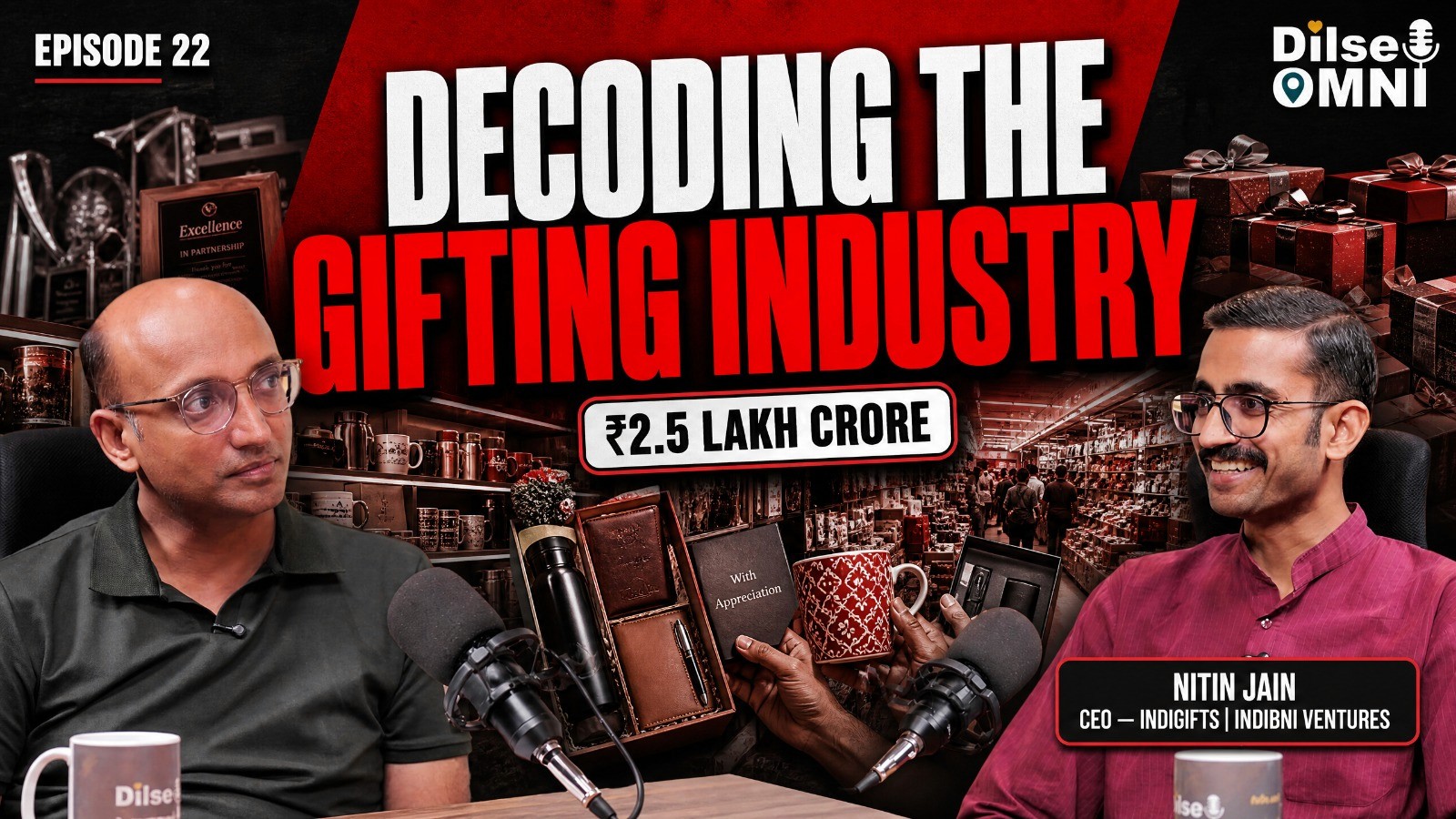
Reed Hastings, the founder of Netflix, once made a wonderfully provocative observation: Netflix is in competition with sleep. That thought became the starting point of my conversation with Sridhar Balakrishnan, Group CEO of Duroflex and Sleepyhead, who is building two of India’s leading sleep brands through brand building, business transformation and omnichannel consumer experiences at scale.
I put a playful but serious question to him: if Duroflex helps people sleep better, is Duroflex competing with Netflix?
Sridhar’s answer was refreshingly practical. He does not spend much time binge watching. Outside work, he prioritises physical exercise and reading, while most of his television consumption is around sports, especially tennis, football and cricket. But the larger point remains: every brand today competes for a share of consumer time, attention and behaviour.
“If I’m competing with Netflix, great, so be it.”
That is not merely a witty response. It is a powerful way to understand the sleep economy. A mattress is no longer just a piece of home furniture. It sits at the intersection of health, wellbeing, comfort, lifestyle, digital distraction and consumer aspiration.
Table of Contents
Competition Is Bigger Than Other Mattress Brands
The Indian Mattress Market: A Large Category With Room to Grow
Duroflex’s Right to Win: Stay Close to Sleep
The Sleep-Led Adjacency Framework
What Omnichannel Really Means for Duroflex
The Duroflex Omnichannel Framework: Presence Across Every Relevant Touchpoint
From Sleep to Scale: The Leadership Lesson
Competition Is Bigger Than Other Mattress Brands
When we define competition too narrowly, we make poor strategic choices. A mattress company may look at other mattress brands, online sleep startups, furniture companies or local manufacturers and conclude that these are the only competitive forces that matter.
But Sridhar’s perspective takes us one level higher. The real opportunity is to make sleep a more important consideration in a consumer’s life. If people understand that good sleep is linked to overall health, they begin to treat their mattress as an investment rather than a commodity purchase.
This changes the nature of competition. The goal is not simply to win market share from another branded player. It is to expand the category itself by helping people recognise the value of better sleep.
“All of us owe it to consumers to educate them on the importance of good sleep because it is linked to their overall health.”
For leaders building brands in emerging or under-penetrated categories, this is a crucial lesson. Education is not only a marketing activity. It is category creation. When brands collectively build awareness, the overall market expands. Companies will still compete for share, of course, but they will be competing within a much larger opportunity.
The Indian Mattress Market: A Large Category With Room to Grow
One challenge in this category is that market data is not always as precise or syndicated as it is in many established consumer product categories. So, the numbers are naturally broad estimates. Yet they still reveal the scale of the opportunity.
Sridhar estimates that India’s overall mattress market, including both branded and unbranded players, is approximately ₹16,000 crore. The branded segment is estimated at about ₹9,700 crore.
The implication is clear. The category is large, the branded segment is growing at a healthy rate, and there is still significant scope to convert consumers from unbranded or unorganised options into branded products that deliver a more considered sleep experience.
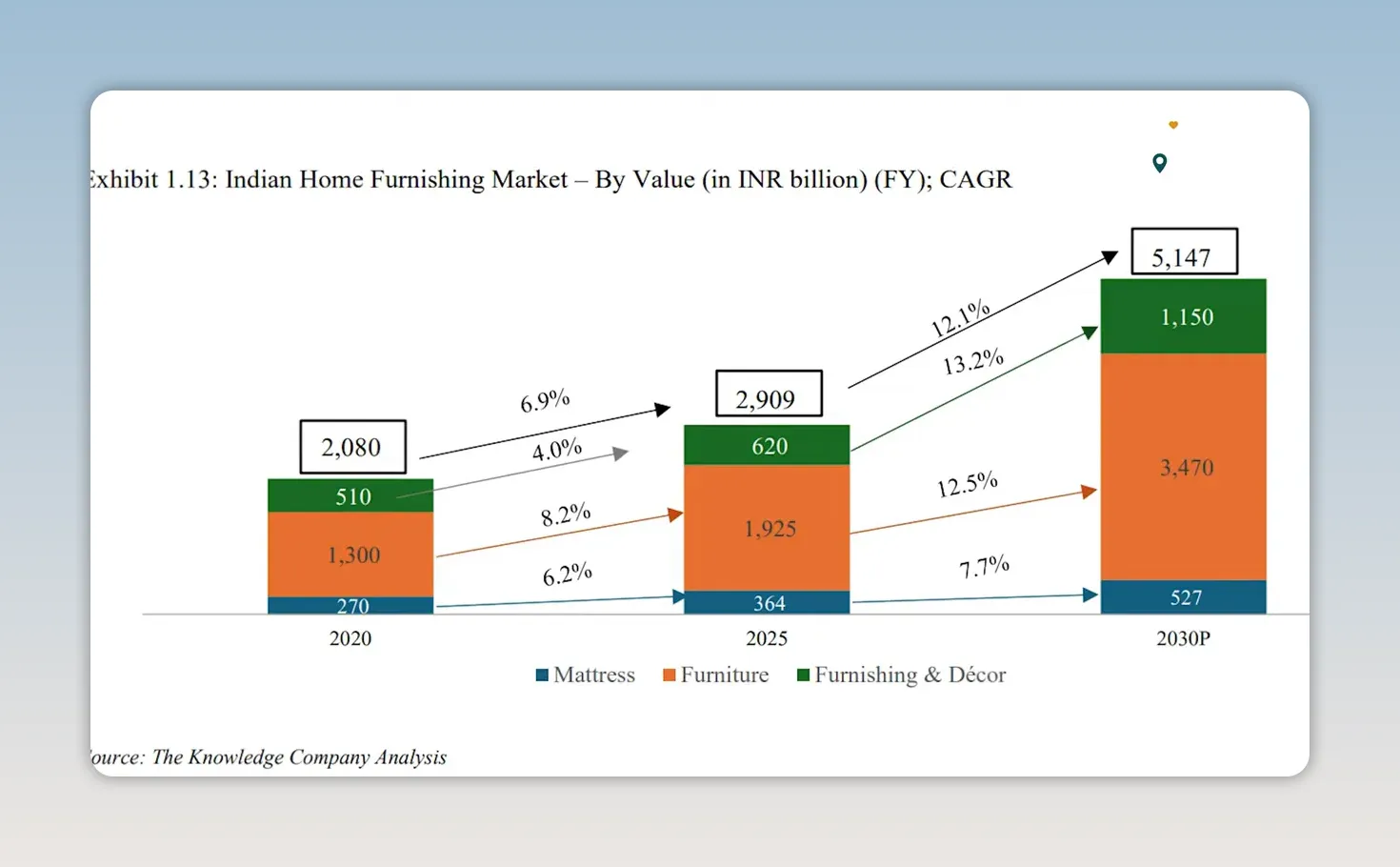
The market context shows why sleep and home categories are becoming an increasingly meaningful consumer opportunity.
This is why Sridhar does not frame the market as a simple battle between Duroflex, Wakefit, Sleepwell, Sleepyhead or other branded businesses. The competition includes both branded and unbranded players, but the bigger strategic opportunity lies in increasing branded adoption and improving consumer understanding.
Expand the Pie Before Fighting Over Slices
I found this one of the most important business lessons from our conversation. In categories with low awareness or low branded penetration, leaders should not only ask, “How do we steal share?” They should first ask, “How do we make the category more valuable?”
Here is the category growth logic Sridhar described:
Educate consumers: Build awareness around the connection between sleep quality and overall health.
Increase category consideration: Help consumers move beyond viewing a mattress as a basic utility purchase.
Grow the branded segment: Better awareness can encourage consumers to seek more reliable, specialised solutions.
Compete on brand and experience: Once the category grows, brands can differentiate through products, trust, retail and service.
If the branded market grows meaningfully through collective effort, there is enough room for several companies to grow. This is especially relevant in India, where consumer expectations are evolving rapidly across wellness, home and lifestyle categories.
Duroflex’s Right to Win: Stay Close to Sleep
Duroflex’s core remains mattresses. But the company sees a meaningful adjacency in furniture that is deeply connected to sleep, comfort and relaxation.
Sridhar was very clear that furniture and furnishings are not the same thing. Furnishings include accessories such as cushions and other decorative elements. Furniture is a broader category, and Duroflex is focused on the portions where its sleep and comfort credentials give it a genuine right to win.

A focused category strategy starts by distinguishing true product adjacencies from broad, unrelated expansion.
The opportunity areas include:
Sofas
Recliners
Smart beds
Upholstered beds
Sleep-related accessories
Select smart extensions associated with rest and comfort
The discipline here matters. A large market alone is not a reason to enter it. The sharper question is whether the brand has permission, capability and credibility to serve that consumer need.
“It’s important for us to focus on categories where we believe we have a right to win.”
This is a strong framework for any consumer business. Growth through adjacency works when the extension feels natural to the customer. A mattress brand can credibly move into recliners, smart beds or upholstered beds because these products belong to the same broad promise of rest, comfort and better living. Random expansion weakens focus. Purposeful adjacency strengthens the brand.
The Sleep-Led Adjacency Framework
Drawing from Sridhar’s approach, I would describe Duroflex’s expansion logic through a simple three-circle framework. It helps leaders decide whether a new category deserves investment.
1. Consumer Need
Does the product solve a genuine sleep, rest, relaxation or comfort need? The closer the answer is to a real consumer need state, the stronger the opportunity.
2. Brand Permission
Will consumers believe that your brand can credibly offer this product? Duroflex has earned permission in sleep, so moving toward beds, recliners and comfort furniture is a natural extension.
3. Experience Capability
Can the brand deliver the product, retail experience and service required for the category? Furniture is not simply a product expansion. It requires different fulfilment, product demonstration and customer experience capabilities.
The sweet spot lies where all three overlap: a meaningful consumer need, a clear right to win and the ability to create a strong experience.
What Omnichannel Really Means for Duroflex
Omnichannel has become one of the most frequently used terms in retail, but it is often misunderstood. Many businesses assume that having a website, a marketplace presence and a physical store network automatically makes them omnichannel. It does not.
Sridhar explained the shift by taking us back around a decade. Earlier, consumers had fewer kinds of touchpoints with brands. This is not just about the number of retail outlets. It is about the nature of interaction itself.
Today, a consumer may research a product online, purchase it offline, discover a brand inside a physical store and later complete the transaction online. They may compare products digitally, seek reassurance from a salesperson, test comfort in a retail environment and then make the decision later from their phone.
“The consumer engages with the brand online, buys offline, engages with the brand offline, buys online.”
That single observation captures the essence of omnichannel. The consumer does not experience the business in channel silos. The consumer experiences one brand across many moments.
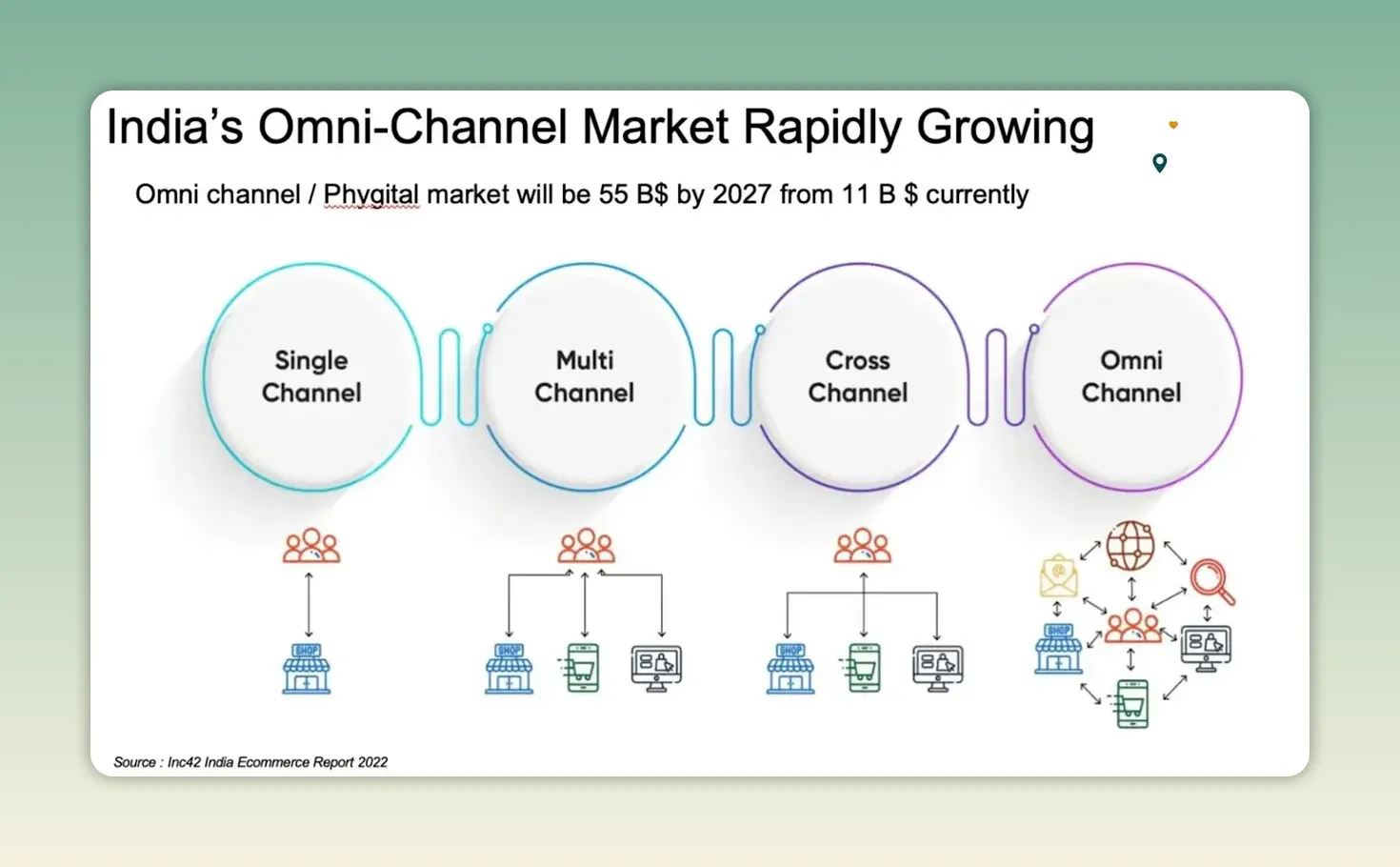
Omnichannel maturity comes from connecting consumer journeys, not merely adding more selling channels.
The Duroflex Omnichannel Framework: Presence Across Every Relevant Touchpoint
For Duroflex, omnichannel means being genuinely present across all relevant points in the consumer journey. That includes digital discovery, traditional retail and branded experience centres.
I have simplified Sridhar’s operating philosophy into the following framework:
Online: Be available where consumers search, learn, compare and transact digitally.
General trade: Continue to serve the large and important traditional retail market.
Owned experience centres: Give consumers a place to experience products, understand comfort and build confidence in their purchase.
Connected consumer journey: Allow the brand relationship to continue seamlessly, regardless of where discovery or purchase happens.
This is not an online versus offline conversation. Both play distinct roles. Online can provide information, convenience and discovery. General trade offers reach and familiarity. Experience centres enable physical product interaction, which matters enormously in a category where comfort is personal.
For a mattress or furniture purchase, this becomes even more important. Consumers may want to read product information online but still feel the mattress, assess a recliner or understand the space-saving features of a bed before buying. Others may visit a store to compare options and then transact digitally later. A brand must be ready for all these behaviours.
Omnichannel Is Not a Channel Checklist
The real test of omnichannel is not whether a company sells through multiple routes. The test is whether it remains useful and consistent at every point where a consumer chooses to engage.
For Duroflex, that means recognising the consumer’s freedom to move between online research, offline buying, general trade and branded experience centres. The organisation has to show up wherever that journey leads.
“Omnichannel means being truly present in all consumer touchpoints.”
That is the masterclass takeaway for every retail leader. Do not organise the business around internal channel labels. Organise around consumer behaviour. Your customer does not wake up thinking, “Today I will follow an online journey” or “Today I will follow an offline journey.” They simply want the easiest, most trustworthy path to solve their need.
From Sleep to Scale: The Leadership Lesson
My biggest learning from Sridhar is that the strongest brand strategies begin with a human need, not a product category. Duroflex is not merely pursuing mattress sales. It is operating in the space of better sleep, greater comfort and healthier living.
Once that purpose is clear, the rest of the strategic choices become sharper:
Educate consumers and grow the category.
Build only in adjacencies where the brand has a right to win.
Use physical retail to create meaningful product experiences.
Use digital touchpoints to support research, discovery and convenience.
Stay present across the full consumer journey rather than forcing people into a single channel.
A bed may not literally be competing with Netflix in every household. But the question opens up something bigger. In a world of constant content, distraction and convenience, brands that improve everyday wellbeing have to earn attention too. The winning businesses will be the ones that understand not only what they sell, but the life their customers are trying to live.
I am Saurabh Agrawal and we come with a new episode on Dilse omni talks every fortnight and cover different aspect of omnichannel with amazing speakers.