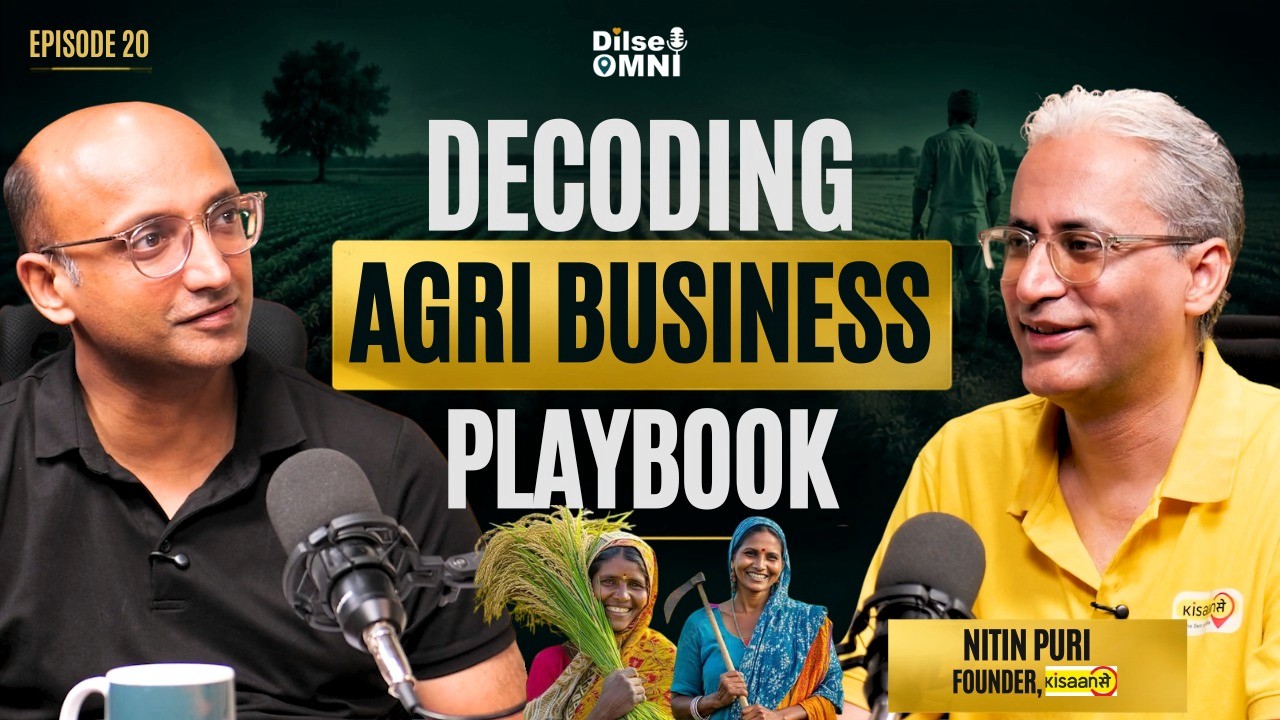
Why Does This Episode Matter?
Why Does This Episode Matter?
Nearly half of India's workforce depends on agriculture. Yet the sector contributes only about 18% of India's GDP.
Every day, millions of farmers take risks that most entrepreneurs would never accept. They invest months of hard work without knowing what the weather will do, what prices they will get, or whether buyers will value the quality of their produce.
And yet, we rarely call them entrepreneurs.
In the latest episode of Dilse Omni Talks, Nitin Puri, Founder of KisaanSay, challenges this way of thinking.
The conversation goes beyond agriculture. It explores branding, food quality, GI tags, consumer trust, omnichannel commerce, and why India's food ecosystem needs a complete rethink if farmers are to earn more.
Nearly half of India's workforce depends on agriculture. Yet the sector contributes only about 18% of India's GDP.
Every day, millions of farmers take risks that most entrepreneurs would never accept. They invest months of hard work without knowing what the weather will do, what prices they will get, or whether buyers will value the quality of their produce.
And yet, we rarely call them entrepreneurs.
In the latest episode of Dilse Omni Talks, Nitin Puri, Founder of KisaanSay, challenges this way of thinking.
The conversation goes beyond agriculture. It explores branding, food quality, GI tags, consumer trust, omnichannel commerce, and why India's food ecosystem needs a complete rethink if farmers are to earn more.

Nitin Puri
CEO @KisaanSay
Nitin Puri is the founder and CEO of KisaanSay, an agritech and food startup based in Gurugram, India.
Nitin Puri
CEO @KisaanSay
Nitin Puri is the founder and CEO of KisaanSay, an agritech and food startup based in Gurugram, India.
Farmers Take Entrepreneurial Risks Every Season
Farmers Take Entrepreneurial Risks Every Season
Every entrepreneur talks about uncertainty, but farmers live it.
Before a single crop reaches the market, they have already invested money, time, labour, and hope. They deal with changing weather, rising input costs, pests, unpredictable demand, and fluctuating market prices. One unexpected event can wipe out months of effort.
Unlike most businesses, farmers cannot simply increase prices when costs go up. By the time the harvest is ready, someone else often decides what it is worth.
That is why Nitin believes farmers are among India's most underrated entrepreneurs. They solve problems every day, adapt to changing conditions, and build businesses around one of the country's most essential needs.
The challenge is not their ability to produce. The challenge is that they rarely control the value created after their produce leaves the farm.
Every entrepreneur talks about uncertainty, but farmers live it.
Before a single crop reaches the market, they have already invested money, time, labour, and hope. They deal with changing weather, rising input costs, pests, unpredictable demand, and fluctuating market prices. One unexpected event can wipe out months of effort.
Unlike most businesses, farmers cannot simply increase prices when costs go up. By the time the harvest is ready, someone else often decides what it is worth.
That is why Nitin believes farmers are among India's most underrated entrepreneurs. They solve problems every day, adapt to changing conditions, and build businesses around one of the country's most essential needs.
The challenge is not their ability to produce. The challenge is that they rarely control the value created after their produce leaves the farm.
Building a Farmer-to-Consumer Brand
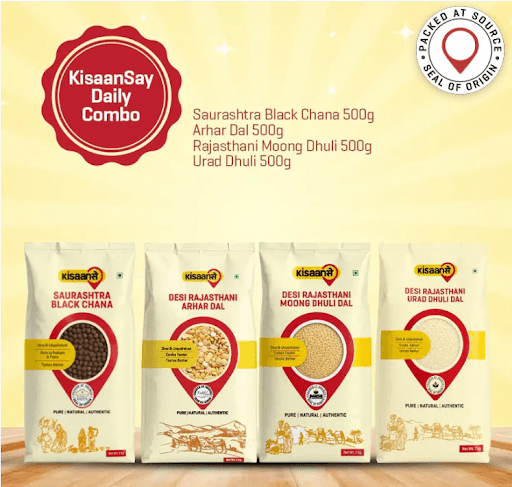
This philosophy became the foundation of Kisaan Say. Rather than building another food company, the team set out to build trust. Every product starts with a simple question.
What makes this food special?
Sometimes the answer is the region where it is grown. Sometimes it is the traditional farming practice. Sometimes it is the community that has preserved that crop for generations. Instead of hiding these stories, Kisaan Say brings them forward.
The farmer is no longer an anonymous supplier. They become part of the brand's identity.
This approach changes the relationship between producers and consumers. People are not simply buying rice, rajma, or spices. They are buying a story, a place, and the people behind it.
That connection creates something many businesses struggle to build. Trust.
Building a Farmer-to-Consumer Brand
This philosophy became the foundation of Kisaan Say. Rather than building another food company, the team set out to build trust. Every product starts with a simple question.
What makes this food special?
Sometimes the answer is the region where it is grown. Sometimes it is the traditional farming practice. Sometimes it is the community that has preserved that crop for generations. Instead of hiding these stories, Kisaan Say brings them forward.
The farmer is no longer an anonymous supplier. They become part of the brand's identity.
This approach changes the relationship between producers and consumers. People are not simply buying rice, rajma, or spices. They are buying a story, a place, and the people behind it.
That connection creates something many businesses struggle to build. Trust.
Building a Farmer-to-Consumer Brand
This philosophy became the foundation of Kisaan Say. Rather than building another food company, the team set out to build trust. Every product starts with a simple question.
What makes this food special?
Sometimes the answer is the region where it is grown. Sometimes it is the traditional farming practice. Sometimes it is the community that has preserved that crop for generations. Instead of hiding these stories, Kisaan Say brings them forward.
The farmer is no longer an anonymous supplier. They become part of the brand's identity.
This approach changes the relationship between producers and consumers. People are not simply buying rice, rajma, or spices. They are buying a story, a place, and the people behind it.
That connection creates something many businesses struggle to build. Trust.

Reading the Label Is Only Half the Story
Many consumers have become more conscious about what they eat. They compare calories, protein, sugar, and fat before making a purchase. That is a good start. But according to Nitin, it is only half the story. The more important question is often left unanswered.
Where did this food come from?
The place where food is grown influences its taste, nutrition, aroma, and character. Soil, climate, altitude, water, and traditional farming practices all shape the final product. Two products may look almost identical on a shelf. Their origin can make all the difference.
Understanding food means looking beyond the nutrition panel. It means understanding the journey behind the product.
Why GI Tags Matter More Than We Think ?
This is where Geographic Indication, or GI, tags become important.
A GI tag links a product to a specific region known for producing something unique. It protects traditional knowledge while helping consumers identify authentic products.
For farmers, it can create opportunities to earn premium prices. For consumers, it builds confidence in quality and authenticity.
India has hundreds of products with unique regional identities, yet many consumers are still unaware of their significance.
When people understand the story behind a product, they begin to appreciate more than just its price. They begin to value its origin.
Reading the Label Is Only Half the Story
Many consumers have become more conscious about what they eat. They compare calories, protein, sugar, and fat before making a purchase. That is a good start. But according to Nitin, it is only half the story. The more important question is often left unanswered.
Where did this food come from?
The place where food is grown influences its taste, nutrition, aroma, and character. Soil, climate, altitude, water, and traditional farming practices all shape the final product. Two products may look almost identical on a shelf. Their origin can make all the difference.
Understanding food means looking beyond the nutrition panel. It means understanding the journey behind the product.
Why GI Tags Matter More Than We Think ?
This is where Geographic Indication, or GI, tags become important.
A GI tag links a product to a specific region known for producing something unique. It protects traditional knowledge while helping consumers identify authentic products.
For farmers, it can create opportunities to earn premium prices. For consumers, it builds confidence in quality and authenticity.
India has hundreds of products with unique regional identities, yet many consumers are still unaware of their significance.
When people understand the story behind a product, they begin to appreciate more than just its price. They begin to value its origin.

Building KisaanSay Around Consumer Problems
Many brands begin with a product. KisaanSay began with a problem. Consumers wanted authentic food but struggled to find it. Farmers produced exceptional crops but lacked access to customers who valued quality over price. KisaanSay set out to bridge that gap.
The focus was never to build the largest catalogue. Instead, every product had to solve a genuine consumer need while creating better opportunities for farmers. Whether it is Himalayan Rajma, traditional rice varieties, or regional specialties, the emphasis remains the same:
Quality first.
Story second.
Scale later.
It is a patient approach to building a brand, but it creates long-term trust.
Building KisaanSay Around Consumer Problems
Many brands begin with a product. KisaanSay began with a problem. Consumers wanted authentic food but struggled to find it. Farmers produced exceptional crops but lacked access to customers who valued quality over price. KisaanSay set out to bridge that gap.
The focus was never to build the largest catalogue. Instead, every product had to solve a genuine consumer need while creating better opportunities for farmers. Whether it is Himalayan Rajma, traditional rice varieties, or regional specialties, the emphasis remains the same:
Quality first.
Story second.
Scale later.
It is a patient approach to building a brand, but it creates long-term trust.
Building KisaanSay Around Consumer Problems
Many brands begin with a product. KisaanSay began with a problem. Consumers wanted authentic food but struggled to find it. Farmers produced exceptional crops but lacked access to customers who valued quality over price. KisaanSay set out to bridge that gap.
The focus was never to build the largest catalogue. Instead, every product had to solve a genuine consumer need while creating better opportunities for farmers. Whether it is Himalayan Rajma, traditional rice varieties, or regional specialties, the emphasis remains the same:
Quality first.
Story second.
Scale later.
It is a patient approach to building a brand, but it creates long-term trust.
Growing Through Stories Instead of Advertising
Growing Through Stories Instead of Advertising
One of the most refreshing parts of the conversation is KisaanSay's approach to marketing.
The brand has built a strong community through authentic storytelling instead of relying heavily on paid advertising.
By sharing the people, places, and traditions behind every product, KisaanSay has created content that feels educational rather than promotional. Its omnichannel strategy reflects the same philosophy.
Whether customers discover the brand through social media, marketplaces, its website, or offline channels, the story remains consistent. The message does not change across platforms. That consistency strengthens trust and keeps the farmer at the centre of every conversation.
One of the most refreshing parts of the conversation is KisaanSay's approach to marketing.
The brand has built a strong community through authentic storytelling instead of relying heavily on paid advertising.
By sharing the people, places, and traditions behind every product, KisaanSay has created content that feels educational rather than promotional. Its omnichannel strategy reflects the same philosophy.
Whether customers discover the brand through social media, marketplaces, its website, or offline channels, the story remains consistent. The message does not change across platforms. That consistency strengthens trust and keeps the farmer at the centre of every conversation.
Lessons from Dr. Verghese Kurien
Lessons from Dr. Verghese Kurien
No discussion about India's agricultural transformation is complete without mentioning Dr. Verghese Kurien.
Often called the father of the White Revolution, his work proved that lasting change comes from building institutions, empowering farmers, and creating systems that distribute value more fairly.
Nitin shares how those principles continue to influence his thinking. Instead of chasing short-term growth, businesses should focus on creating ecosystems where every stakeholder benefits. That philosophy remains just as relevant today.
No discussion about India's agricultural transformation is complete without mentioning Dr. Verghese Kurien.
Often called the father of the White Revolution, his work proved that lasting change comes from building institutions, empowering farmers, and creating systems that distribute value more fairly.
Nitin shares how those principles continue to influence his thinking. Instead of chasing short-term growth, businesses should focus on creating ecosystems where every stakeholder benefits. That philosophy remains just as relevant today.
On whether AI will cause job losses, Sanjeev gives his most honest answer: "I don't know.”
When PCs arrived at IIM Ahmedabad in 1986, Sanjeev was among the first two batches to use them. When he joined HMM, he was the only person in the marketing department who knew how to use a PC. That became his superpower. He would have been the last person to be let go.
His advice to young people: learn two or three AI platforms every month, every quarter. By the end of the year, know ten of them. Because the people who adapt fastest will not lose their jobs — they will become indispensable.
On India building foundational AI models: the cost is enormous, the risk is real, and VC funds are too small to fund it. The leadership must come from the government and large corporate groups. India has the data and the talent. The question is whether implementation can match intent.
The biggest takeaway from this episode?
The biggest takeaway from this episode?
Farmers are entrepreneurs, what they lack is ownership, not ability.
Farmers are entrepreneurs, what they lack is ownership, not ability.
Agriculture's future lies in value chain participation, not just higher production.
Agriculture's future lies in value chain participation, not just higher production.
As consumers, the question isn't what's on the label, it's who grew it.
As consumers, the question isn't what's on the label, it's who grew it.
https://yt.openinapp.co/storetech_suren_dilseomni
This is just the beginning. If you’re ready to understand how AI and Omnichannel thinking work together, and hear real stories from people building the future
This is just the beginning. If you’re ready to understand how AI and Omnichannel thinking work together, and hear real stories from people building the future
Nitin Puri
CEO @KisaanSay
Nitin Puri is the founder and CEO of KisaanSay, an agritech and food startup based in Gurugram, India.

Talks with Saurabh Agrawal
Talks with Saurabh Agrawal

Talks with Saurabh Agrawal
Latest Episodes

EP18: Growth Playbook by Sanjeev Bikhchandani
There are very few people who have genuinely shaped the way India works, loves, and learns — all from one desk, one insight, and one stubborn belief that the internet would change everything before most people even knew what a server was. Sanjeev Bikhchandani is one of those people.
EP17: Building Omni Consumer Brands
India's retail market is a $1 trillion opportunity today and is projected to touch $2 trillion by 2030. The brands that will capture that growth are not the ones spending the most on Meta or building the fanciest app.

EP16: Scaling India's Convenience Retail
India has 1.4 billion people, a retail market projected to grow from $1.05 trillion to $1.9 trillion, and barely 1,000 organised convenience stores. The United States has 300,000. Korea has two lakh. Thailand has 7-Eleven on every corner. The gap is staggering, and it represents one of the biggest untapped opportunities in Indian retail.

EP15: Building a D2C Publishing Business
The real thesis behind ZebraLearn is that a book is not the end of a learning journey. It is a milestone within one. And the platform's job is to be present for the entire journey — from discovery to purchase, from reading to application, from one book to the next. That is what makes it a platform, not a publisher.

EP14: Scaling Omnichannel Fast Fashion Brand
Most fashion brands start with a mood board. NEWME started with a data pipeline. In a candid conversation on DilSe Omni, Sumit Jasoria, co-founder and CEO of NEWME, which is a brand that didn't exist three years ago, is now one of India's fastest-growing Gen Z fashion labels, jumping from ₹3.4 crore in FY23 to ₹180 crore in FY25. A 52x revenue jump. In under three years.

EP13: Do Kids Need Their Own Personal Care?
This podcast explores why children need dedicated personal care products instead of using baby or adult formulations, highlighting the emerging gap in India’s beauty and skincare market. Through insights shared by Aishvarya Murali, founder of Tuco Kids, the discussion covers category creation, evolving parenting awareness, product design for kids, and the unique challenge of balancing parental trust with children’s product experience.
How are Drones Disrupting the Logistics | Ankit Kumar X Saurabh Agrawal | Dilse Omni Talks: E12
In this episode, Ankit, who is leading Skye Air Mobility tells about the transform logistics with efficient, reliable, and sustainable drone delivery networks.
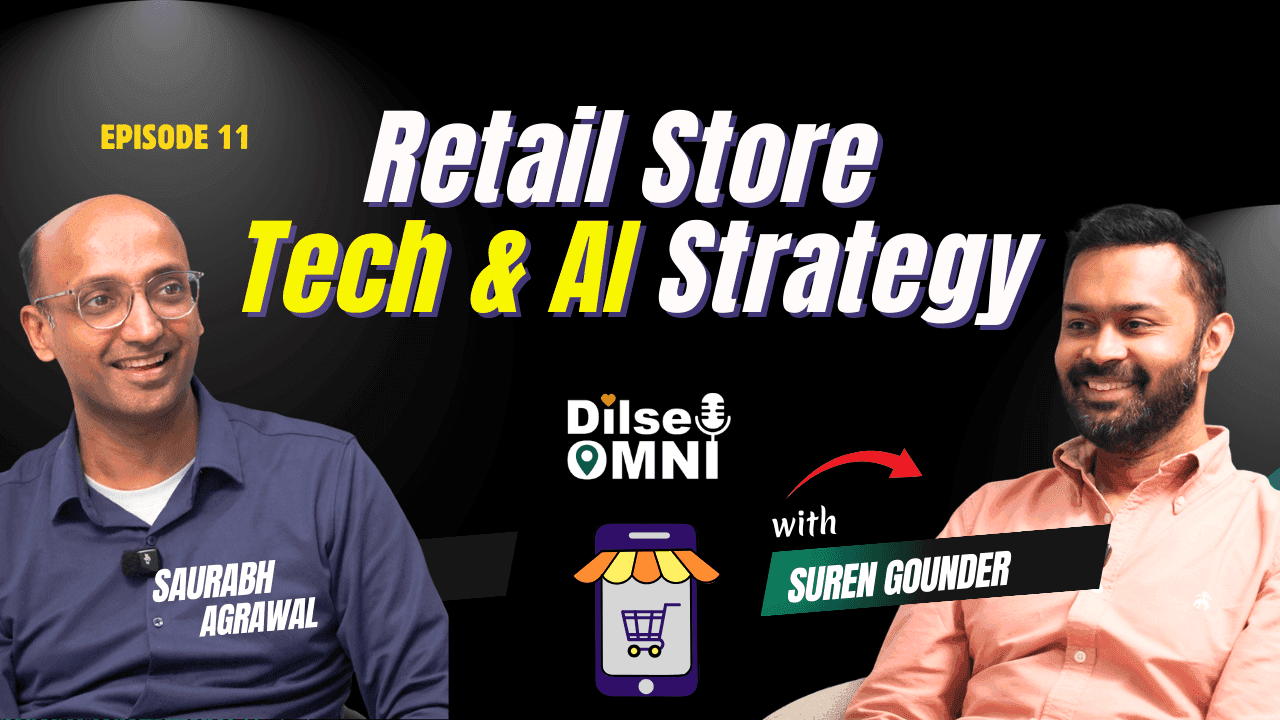
Retail Store Tech & AI Strategy | Suren Gounder X Saurabh Agrawal | Dilse Omni Talks: EP11
In this episode, Suren breaks down how offline stores are evolving from gut-feel operations into data-driven businesses — and why the brands that embrace store tech today will be impossible to catch tomorrow.
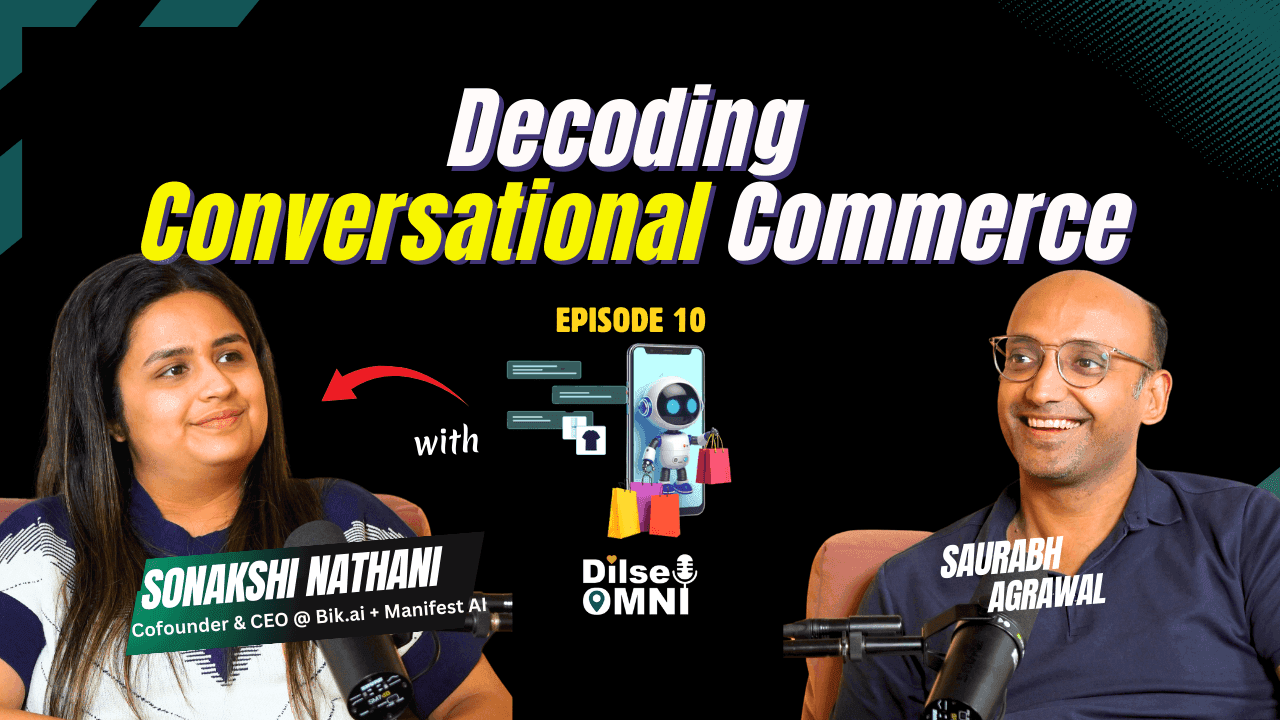
Decoding Conversational Commerce
Sonakshi Nathani — YC and Sequoia-backed founder who scaled Manifest AI to $4.5M ARR in two years without marketing spend — joins Saurabh to decode how AI chatbots are reshaping modern commerce.
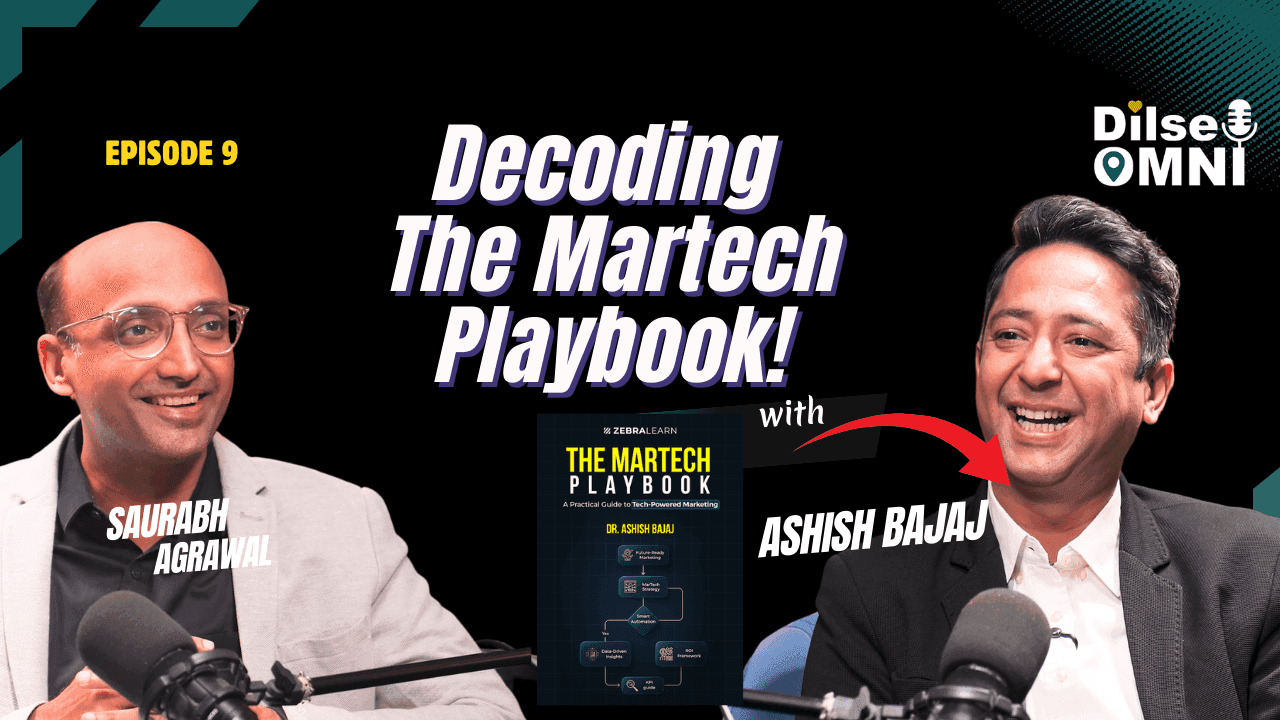
Decoding Martech Playbook | Dr. Ashish Bajaj X Saurabh Agrawal | Dilse Omni Talks: EP9
This episode breaks down why Martech is no longer optional but essential for brands that want to move from fragmented campaigns to connected, data-driven growth.
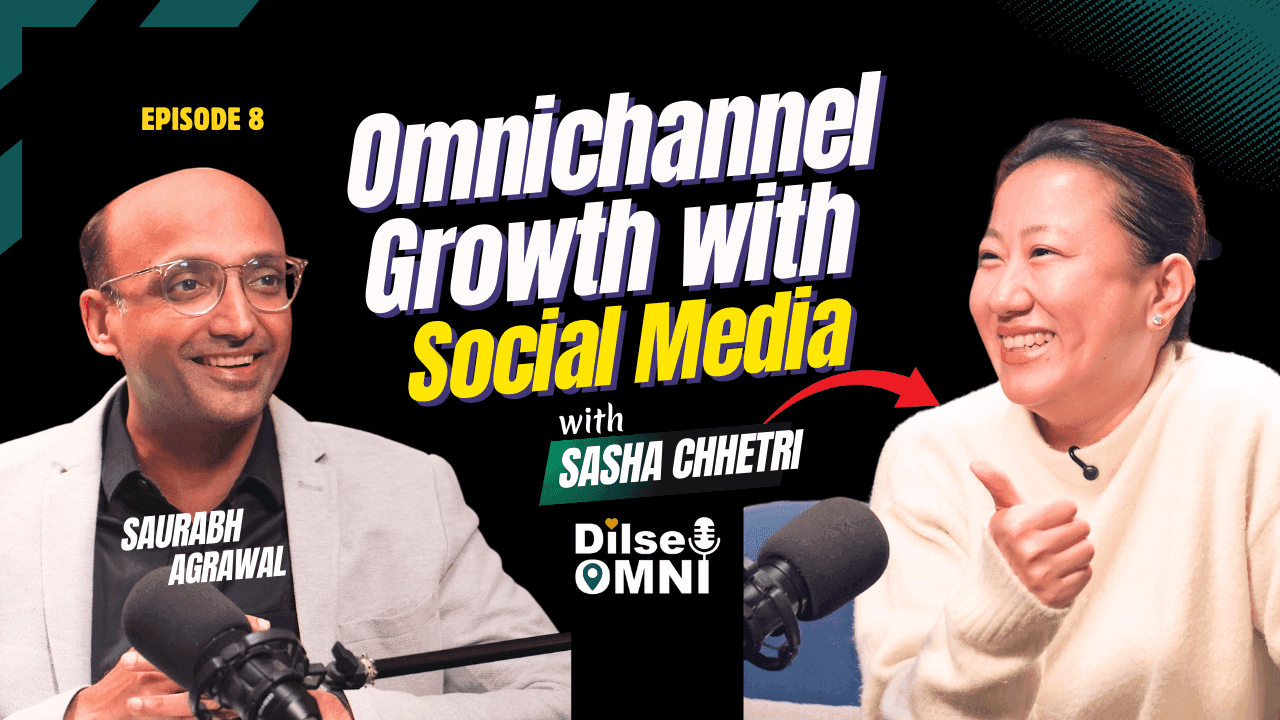
Omnichannel Growth with Social Media | Sasha Chhetri X Saurabh Agrawal | Dilse Omni Talks: EP8
Saurabh sits down with Sasha, to unpack how social media actually drives real business outcomes when you stop chasing vanity metrics and start designing for omnichannel growth.
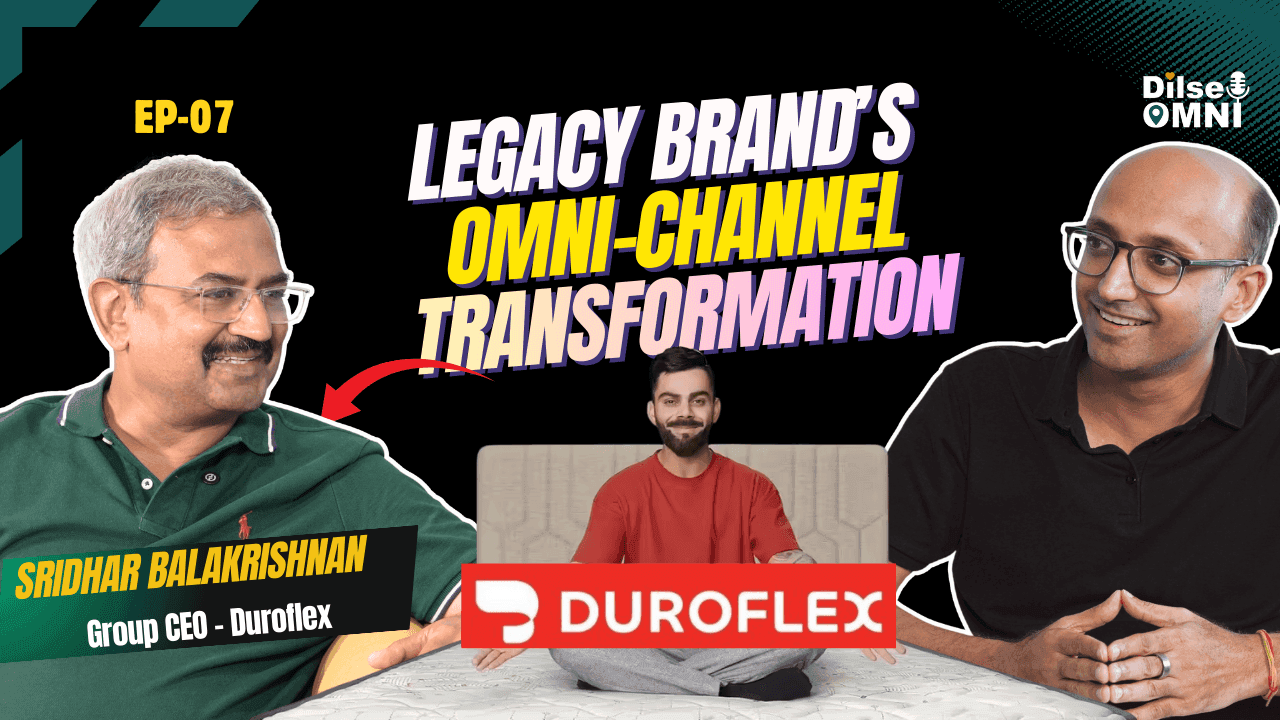
Legacy Brand's Omnichannel Transformation | Sridhar Balakrishnan X Saurabh Agrawal | DilSe Omni Talks: EP7
Saurabh sits down with Sridhar, Group CEO - Duroflex, to understand how a legacy brands can build omnichannel with patience and purpose.
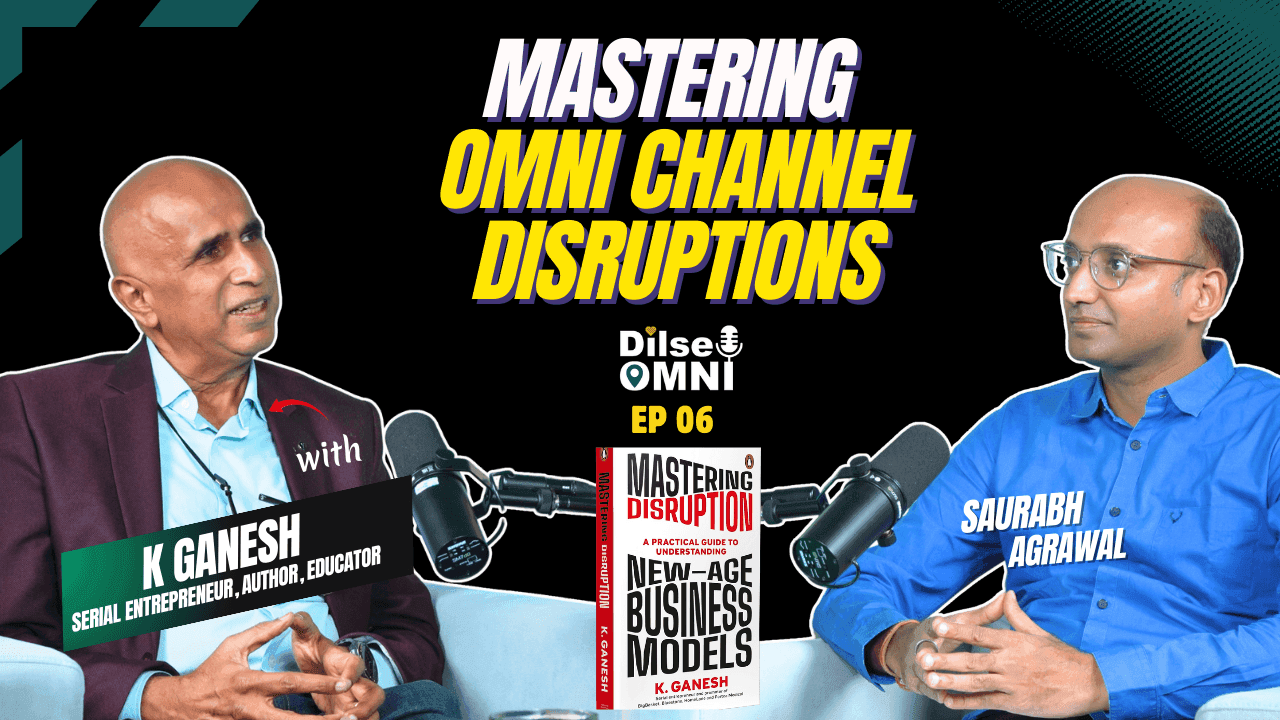
Mastering Omnichannel Disruptions | K Ganesh X Saurabh Agrawal | DilSe Omni Talks: EP6
Saurabh sits down with K Ganesh, a serial entrepreneur, author, and one of India’s most respected startup builders, to unpack what really drives sustainable growth in modern businesses.
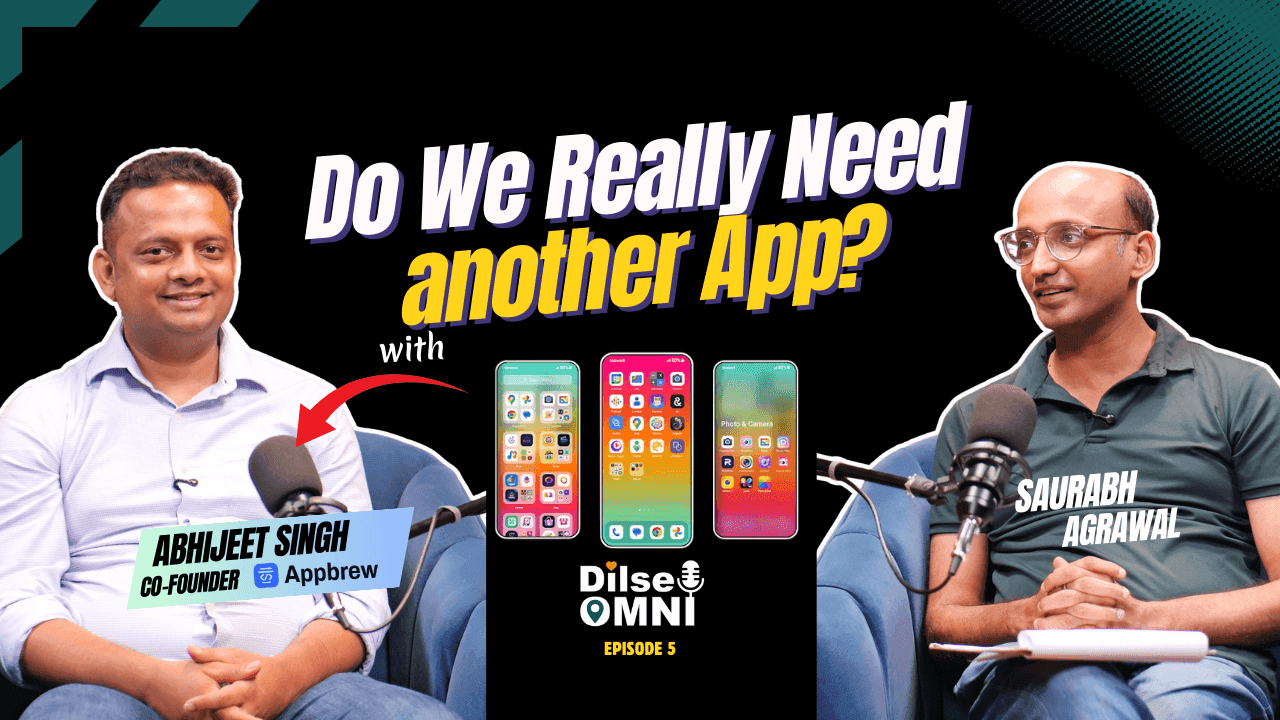
App Strategy for Omnichannel Brands | Abhijeet Singh X Saurabh Agrawal | DilSe Omni Talks: EP5
Saurabh and Abhijeet unpack when brands should actually invest in a mobile app, and why it’s not the right move for every category on day one.
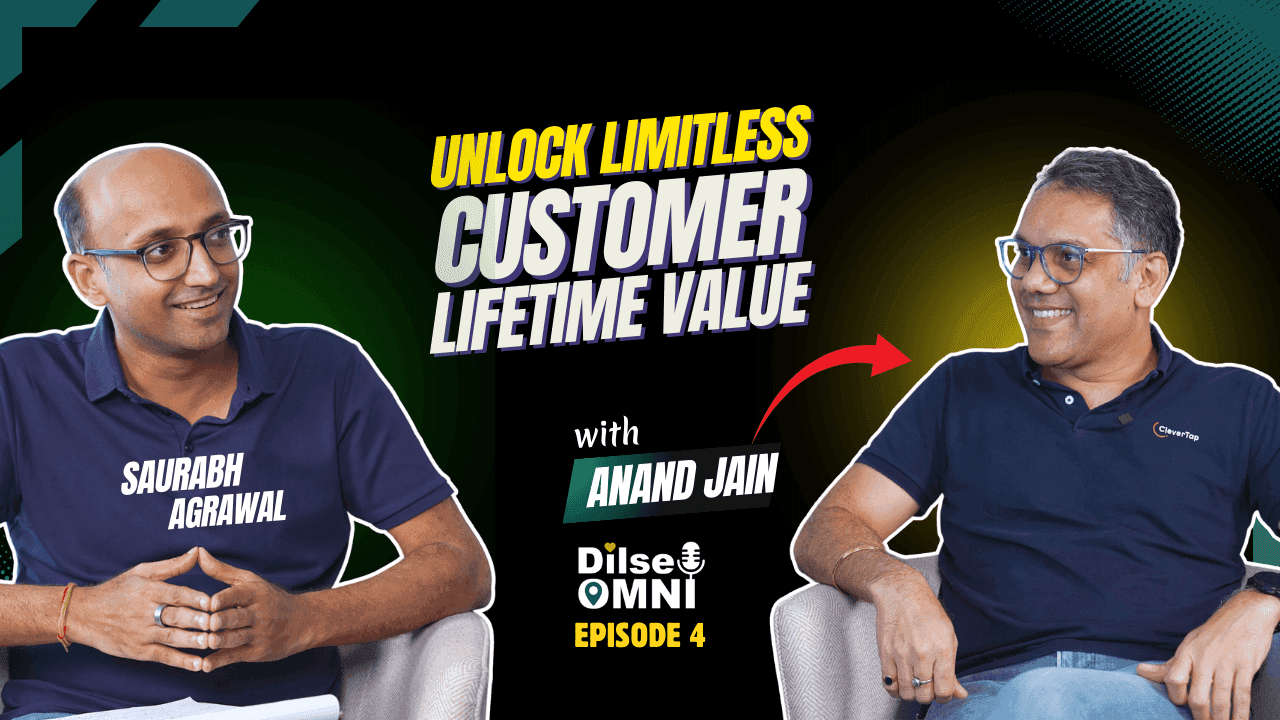
Unlock Limitless Customer Lifetime Value | Anand Jain X Saurabh Agrawal | DilSe Omni Talks: EP4
Saurabh and Anand talk about resilience, first-principles thinking, and how AI-driven personalization is reshaping retention.
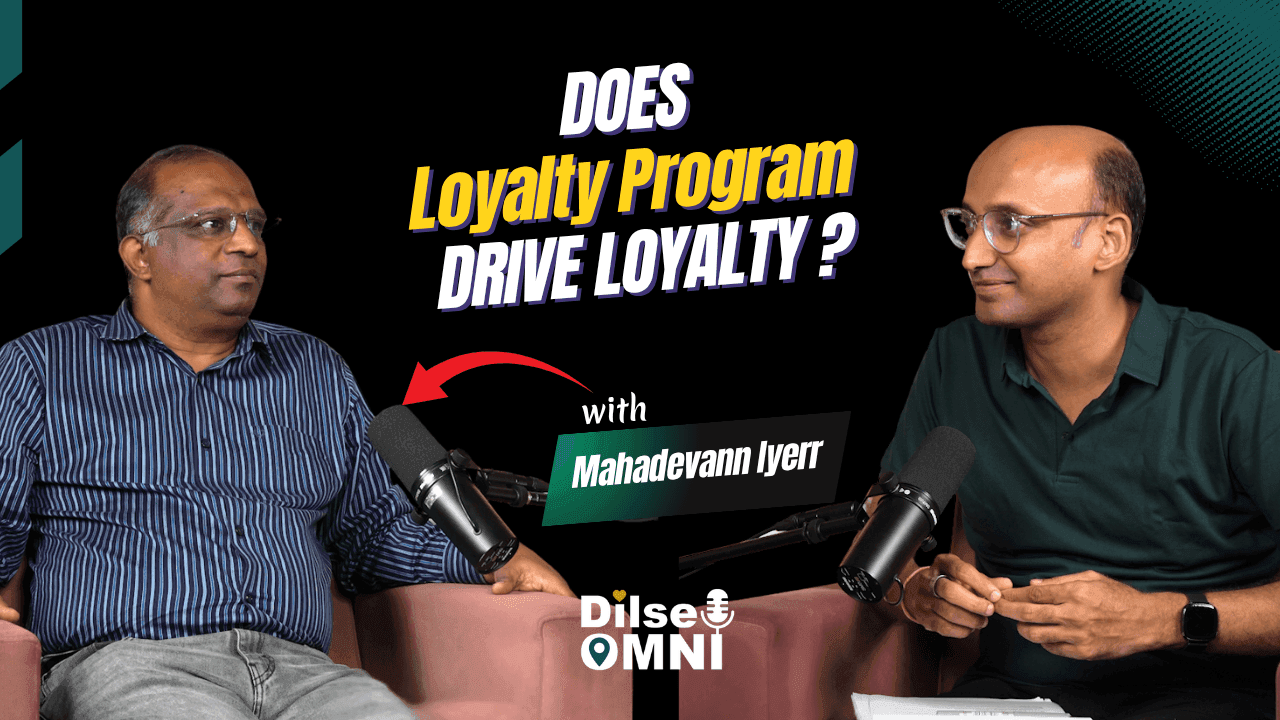
Does Loyalty Program really drives Loyalty | Mahadevann Iyerr x Saurabh Agrawal | DilSe Omni Talks: EP3
Saurabh and Maha talk about how loyalty programs don't create loyalty. Experience creates loyalty. Programs amplify it.
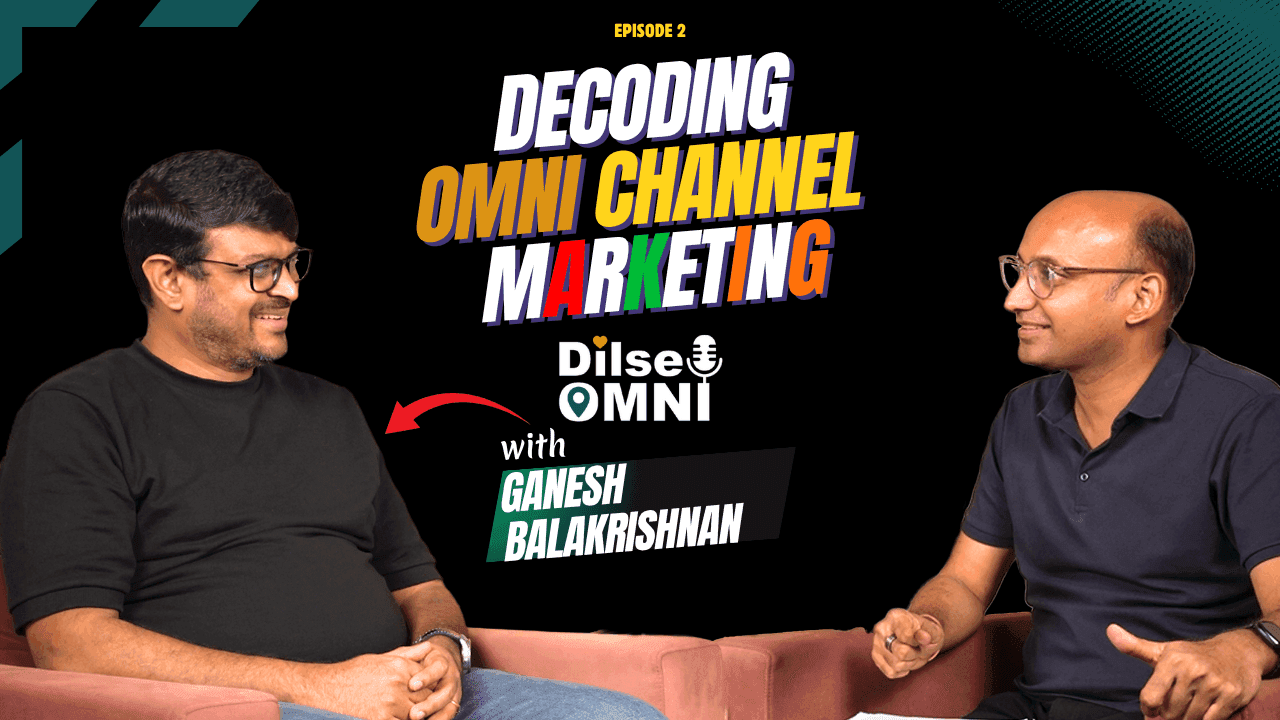
Decoding Omnichannel Marketing | Ganesh Balakrishnan x Saurabh Agrawal | DilSe Omni Talks: EP2
Saurabh and Ganesh decode modern marketing – blending data, retention, and omnichannel strategy to build human, memorable brand experiences.
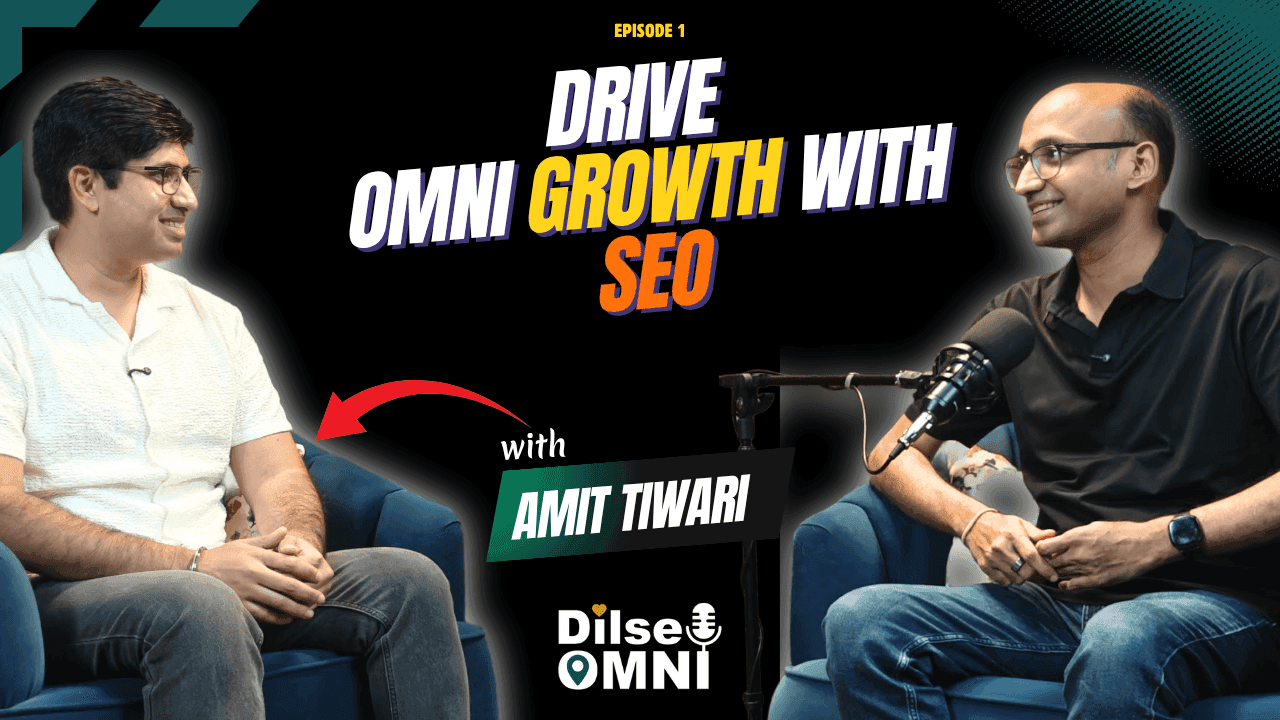
Top 5 SEO Strategies for Omni Success with AI | Amit Tiwari x Saurabh Agrawal | DilSe Omni Talks: EP1
Discover how AI, data, and Omnichannel thinking are redefining SEO as the heartbeat of modern brands—online, offline, and everywhere in between.
Latest Episodes
EP18: Growth Playbook by Sanjeev Bikhchandani
There are very few people who have genuinely shaped the way India works, loves, and learns — all from one desk, one insight, and one stubborn belief that the internet would change everything before most people even knew what a server was. Sanjeev Bikhchandani is one of those people.
EP17: Building Omni Consumer Brands
India's retail market is a $1 trillion opportunity today and is projected to touch $2 trillion by 2030. The brands that will capture that growth are not the ones spending the most on Meta or building the fanciest app.
EP16: Scaling India's Convenience Retail
India has 1.4 billion people, a retail market projected to grow from $1.05 trillion to $1.9 trillion, and barely 1,000 organised convenience stores. The United States has 300,000. Korea has two lakh. Thailand has 7-Eleven on every corner. The gap is staggering, and it represents one of the biggest untapped opportunities in Indian retail.
EP15: Building a D2C Publishing Business
The real thesis behind ZebraLearn is that a book is not the end of a learning journey. It is a milestone within one. And the platform's job is to be present for the entire journey — from discovery to purchase, from reading to application, from one book to the next. That is what makes it a platform, not a publisher.
EP14: Scaling Omnichannel Fast Fashion Brand
Most fashion brands start with a mood board. NEWME started with a data pipeline. In a candid conversation on DilSe Omni, Sumit Jasoria, co-founder and CEO of NEWME, which is a brand that didn't exist three years ago, is now one of India's fastest-growing Gen Z fashion labels, jumping from ₹3.4 crore in FY23 to ₹180 crore in FY25. A 52x revenue jump. In under three years.
EP13: Do Kids Need Their Own Personal Care?
This podcast explores why children need dedicated personal care products instead of using baby or adult formulations, highlighting the emerging gap in India’s beauty and skincare market. Through insights shared by Aishvarya Murali, founder of Tuco Kids, the discussion covers category creation, evolving parenting awareness, product design for kids, and the unique challenge of balancing parental trust with children’s product experience.
How are Drones Disrupting the Logistics | Ankit Kumar X Saurabh Agrawal | Dilse Omni Talks: E12
In this episode, Ankit, who is leading Skye Air Mobility tells about the transform logistics with efficient, reliable, and sustainable drone delivery networks.
Retail Store Tech & AI Strategy | Suren Gounder X Saurabh Agrawal | Dilse Omni Talks: EP11
In this episode, Suren breaks down how offline stores are evolving from gut-feel operations into data-driven businesses — and why the brands that embrace store tech today will be impossible to catch tomorrow.
Decoding Conversational Commerce
Sonakshi Nathani — YC and Sequoia-backed founder who scaled Manifest AI to $4.5M ARR in two years without marketing spend — joins Saurabh to decode how AI chatbots are reshaping modern commerce.
Decoding Martech Playbook | Dr. Ashish Bajaj X Saurabh Agrawal | Dilse Omni Talks: EP9
This episode breaks down why Martech is no longer optional but essential for brands that want to move from fragmented campaigns to connected, data-driven growth.
Omnichannel Growth with Social Media | Sasha Chhetri X Saurabh Agrawal | Dilse Omni Talks: EP8
Saurabh sits down with Sasha, to unpack how social media actually drives real business outcomes when you stop chasing vanity metrics and start designing for omnichannel growth.
Legacy Brand's Omnichannel Transformation | Sridhar Balakrishnan X Saurabh Agrawal | DilSe Omni Talks: EP7
Saurabh sits down with Sridhar, Group CEO - Duroflex, to understand how a legacy brands can build omnichannel with patience and purpose.
Mastering Omnichannel Disruptions | K Ganesh X Saurabh Agrawal | DilSe Omni Talks: EP6
Saurabh sits down with K Ganesh, a serial entrepreneur, author, and one of India’s most respected startup builders, to unpack what really drives sustainable growth in modern businesses.
App Strategy for Omnichannel Brands | Abhijeet Singh X Saurabh Agrawal | DilSe Omni Talks: EP5
Saurabh and Abhijeet unpack when brands should actually invest in a mobile app, and why it’s not the right move for every category on day one.
Unlock Limitless Customer Lifetime Value | Anand Jain X Saurabh Agrawal | DilSe Omni Talks: EP4
Saurabh and Anand talk about resilience, first-principles thinking, and how AI-driven personalization is reshaping retention.
Does Loyalty Program really drives Loyalty | Mahadevann Iyerr x Saurabh Agrawal | DilSe Omni Talks: EP3
Saurabh and Maha talk about how loyalty programs don't create loyalty. Experience creates loyalty. Programs amplify it.
Decoding Omnichannel Marketing | Ganesh Balakrishnan x Saurabh Agrawal | DilSe Omni Talks: EP2
Saurabh and Ganesh decode modern marketing – blending data, retention, and omnichannel strategy to build human, memorable brand experiences.
Top 5 SEO Strategies for Omni Success with AI | Amit Tiwari x Saurabh Agrawal | DilSe Omni Talks: EP1
Discover how AI, data, and Omnichannel thinking are redefining SEO as the heartbeat of modern brands—online, offline, and everywhere in between.
Latest Episodes
EP18: Growth Playbook by Sanjeev Bikhchandani
There are very few people who have genuinely shaped the way India works, loves, and learns — all from one desk, one insight, and one stubborn belief that the internet would change everything before most people even knew what a server was. Sanjeev Bikhchandani is one of those people.
EP17: Building Omni Consumer Brands
India's retail market is a $1 trillion opportunity today and is projected to touch $2 trillion by 2030. The brands that will capture that growth are not the ones spending the most on Meta or building the fanciest app.
EP16: Scaling India's Convenience Retail
India has 1.4 billion people, a retail market projected to grow from $1.05 trillion to $1.9 trillion, and barely 1,000 organised convenience stores. The United States has 300,000. Korea has two lakh. Thailand has 7-Eleven on every corner. The gap is staggering, and it represents one of the biggest untapped opportunities in Indian retail.
EP15: Building a D2C Publishing Business
The real thesis behind ZebraLearn is that a book is not the end of a learning journey. It is a milestone within one. And the platform's job is to be present for the entire journey — from discovery to purchase, from reading to application, from one book to the next. That is what makes it a platform, not a publisher.
EP14: Scaling Omnichannel Fast Fashion Brand
Most fashion brands start with a mood board. NEWME started with a data pipeline. In a candid conversation on DilSe Omni, Sumit Jasoria, co-founder and CEO of NEWME, which is a brand that didn't exist three years ago, is now one of India's fastest-growing Gen Z fashion labels, jumping from ₹3.4 crore in FY23 to ₹180 crore in FY25. A 52x revenue jump. In under three years.
EP13: Do Kids Need Their Own Personal Care?
This podcast explores why children need dedicated personal care products instead of using baby or adult formulations, highlighting the emerging gap in India’s beauty and skincare market. Through insights shared by Aishvarya Murali, founder of Tuco Kids, the discussion covers category creation, evolving parenting awareness, product design for kids, and the unique challenge of balancing parental trust with children’s product experience.
How are Drones Disrupting the Logistics | Ankit Kumar X Saurabh Agrawal | Dilse Omni Talks: E12
In this episode, Ankit, who is leading Skye Air Mobility tells about the transform logistics with efficient, reliable, and sustainable drone delivery networks.
Retail Store Tech & AI Strategy | Suren Gounder X Saurabh Agrawal | Dilse Omni Talks: EP11
In this episode, Suren breaks down how offline stores are evolving from gut-feel operations into data-driven businesses — and why the brands that embrace store tech today will be impossible to catch tomorrow.
Decoding Conversational Commerce
Sonakshi Nathani — YC and Sequoia-backed founder who scaled Manifest AI to $4.5M ARR in two years without marketing spend — joins Saurabh to decode how AI chatbots are reshaping modern commerce.
Decoding Martech Playbook | Dr. Ashish Bajaj X Saurabh Agrawal | Dilse Omni Talks: EP9
This episode breaks down why Martech is no longer optional but essential for brands that want to move from fragmented campaigns to connected, data-driven growth.
Omnichannel Growth with Social Media | Sasha Chhetri X Saurabh Agrawal | Dilse Omni Talks: EP8
Saurabh sits down with Sasha, to unpack how social media actually drives real business outcomes when you stop chasing vanity metrics and start designing for omnichannel growth.
Legacy Brand's Omnichannel Transformation | Sridhar Balakrishnan X Saurabh Agrawal | DilSe Omni Talks: EP7
Saurabh sits down with Sridhar, Group CEO - Duroflex, to understand how a legacy brands can build omnichannel with patience and purpose.
Mastering Omnichannel Disruptions | K Ganesh X Saurabh Agrawal | DilSe Omni Talks: EP6
Saurabh sits down with K Ganesh, a serial entrepreneur, author, and one of India’s most respected startup builders, to unpack what really drives sustainable growth in modern businesses.
App Strategy for Omnichannel Brands | Abhijeet Singh X Saurabh Agrawal | DilSe Omni Talks: EP5
Saurabh and Abhijeet unpack when brands should actually invest in a mobile app, and why it’s not the right move for every category on day one.
Unlock Limitless Customer Lifetime Value | Anand Jain X Saurabh Agrawal | DilSe Omni Talks: EP4
Saurabh and Anand talk about resilience, first-principles thinking, and how AI-driven personalization is reshaping retention.
Does Loyalty Program really drives Loyalty | Mahadevann Iyerr x Saurabh Agrawal | DilSe Omni Talks: EP3
Saurabh and Maha talk about how loyalty programs don't create loyalty. Experience creates loyalty. Programs amplify it.
Decoding Omnichannel Marketing | Ganesh Balakrishnan x Saurabh Agrawal | DilSe Omni Talks: EP2
Saurabh and Ganesh decode modern marketing – blending data, retention, and omnichannel strategy to build human, memorable brand experiences.
Top 5 SEO Strategies for Omni Success with AI | Amit Tiwari x Saurabh Agrawal | DilSe Omni Talks: EP1
Discover how AI, data, and Omnichannel thinking are redefining SEO as the heartbeat of modern brands—online, offline, and everywhere in between.
Subscribe on your favourite platform




Subscribe on your favourite platform



Subscribe on your favourite platform

Subscribe for
insider insights
Get monthly newsletter right in your inbox
Subscribe for
insider insights
Get monthly newsletter right in your inbox
Subscribe
for insider insights