Why Does This Episode Matter?
Why Does This Episode Matter?
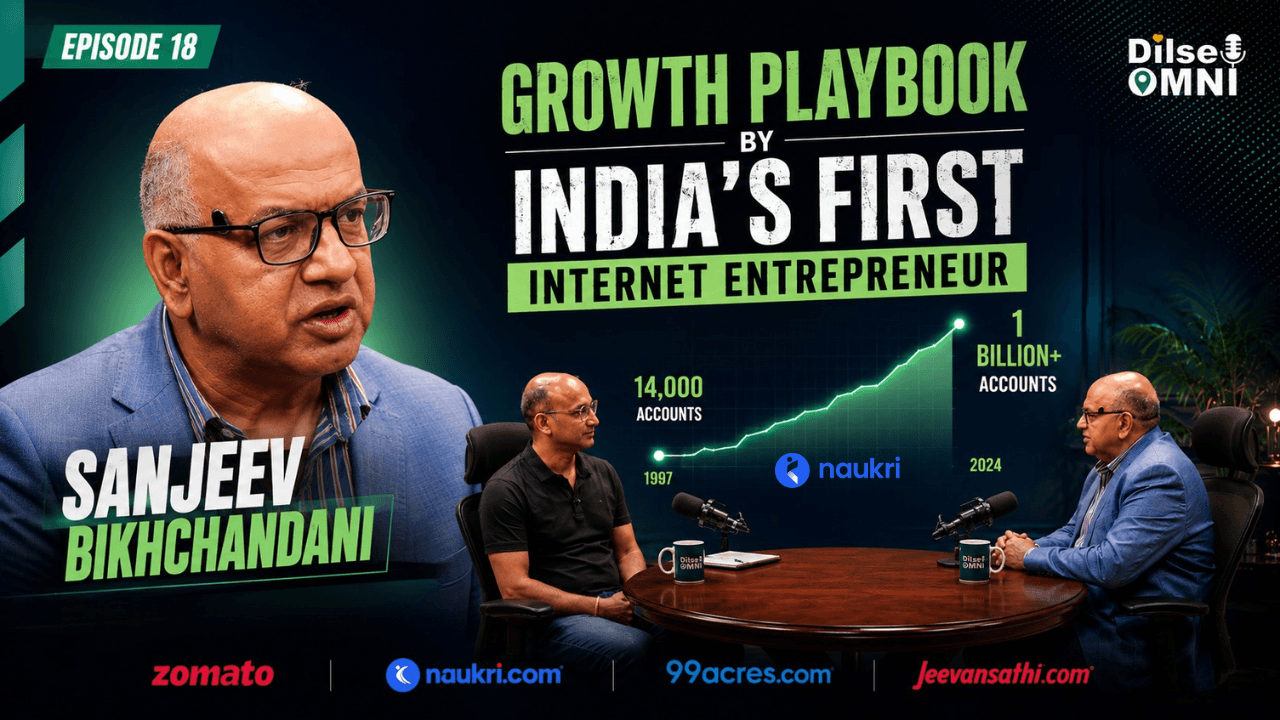
There are very few people who have genuinely shaped the way India works, loves, and learns — all from one desk, one insight, and one stubborn belief that the internet would change everything before most people even knew what a server was. Sanjeev Bikhchandani is one of those people.
This episode of DilSe Omni Talks is not just a conversation about building Naukri or backing Zomato — it is a masterclass in how great businesses are built from human observation, how patient capital wins where aggressive capital burns out, and what it means to be a genuine student of people across five decades of professional life. For every founder, marketer, investor, and young professional trying to figure out what to build and how to build it — this conversation is essential listening.
It is honest, grounded, and full of insights that no business school case study can replicate. Sanjeev shares things here that he has never unpacked in quite this way — from the making of Hari Sadu to why Info Edge's best investment decision was simply waiting.
There are very few people who have genuinely shaped the way India works, loves, and learns — all from one desk, one insight, and one stubborn belief that the internet would change everything before most people even knew what a server was. Sanjeev Bikhchandani is one of those people.
This episode of DilSe Omni Talks is not just a conversation about building Naukri or backing Zomato — it is a masterclass in how great businesses are built from human observation, how patient capital wins where aggressive capital burns out, and what it means to be a genuine student of people across five decades of professional life. For every founder, marketer, investor, and young professional trying to figure out what to build and how to build it — this conversation is essential listening.
It is honest, grounded, and full of insights that no business school case study can replicate. Sanjeev shares things here that he has never unpacked in quite this way — from the making of Hari Sadu to why Info Edge's best investment decision was simply waiting.

Sanjeev Bikhchandani
Founder, Info Edge
Naukri.com | Entrepreneur & Investor
The Father of Indian Startups Ecosystem
The Father of Indian Startups Ecosystem
Padma Shri awardee Sanjeev Bikhchandani is the founder of Info Edge — the company behind Naukri.com, 99acres, Jeevansathi, and Shiksha. He is also one of India's most celebrated and patient venture investors, having backed Zomato and Policybazaar — investments that are now worth many multiples of what was invested. He started Info Edge in 1990 from a servant quarter above his father's garage in Delhi, taught at business schools on weekends to earn money, and built what became India's first internet company to go public.
He received the Padma Shri in 2020. More than any of these credentials, he is a genuine student of people — someone who has spent 35 years observing human behaviour, asking sharp questions, and turning those observations into businesses that have touched hundreds of millions of Indian lives.
Padma Shri awardee Sanjeev Bikhchandani is the founder of Info Edge — the company behind Naukri.com, 99acres, Jeevansathi, and Shiksha. He is also one of India's most celebrated and patient venture investors, having backed Zomato and Policybazaar — investments that are now worth many multiples of what was invested. He started Info Edge in 1990 from a servant quarter above his father's garage in Delhi, taught at business schools on weekends to earn money, and built what became India's first internet company to go public.
He received the Padma Shri in 2020. More than any of these credentials, he is a genuine student of people — someone who has spent 35 years observing human behaviour, asking sharp questions, and turning those observations into businesses that have touched hundreds of millions of Indian lives.

The Insight That Started Everything
In 1989-90, Sanjeev was working as a junior marketer at HMM — the company behind Horlicks, Boost, and ENO. The junior marketing team sat in an open hall. Every week, when the Business India magazine arrived, his colleagues — all MBAs from India's best business schools, settled in good jobs at a prestigious MNC — would flip straight to the back.
The back had 35 to 40 pages of job advertisements.
These were people who were not looking for jobs. They were not going to switch. And yet they read every appointment ad and started discussing and complaining. Sanjeev's conclusion was sharp and simple: jobs are a high interest category of information.
He also observed that headhunters would call his colleagues regularly — different hunters, different jobs, different companies — all trying to recruit from the same small talent pool. The market was enormous, fragmented, and completely inefficient. Hundreds of headhunters, thousands of companies, tens of thousands of jobs — and no single place to see all of it.
That insight sat in a file for seven years. Until the internet arrived.
The Insight That Started Everything
In 1989-90, Sanjeev was working as a junior marketer at HMM — the company behind Horlicks, Boost, and ENO. The junior marketing team sat in an open hall. Every week, when the Business India magazine arrived, his colleagues — all MBAs from India's best business schools, settled in good jobs at a prestigious MNC — would flip straight to the back.
The back had 35 to 40 pages of job advertisements.
These were people who were not looking for jobs. They were not going to switch. And yet they read every appointment ad and started discussing and complaining. Sanjeev's conclusion was sharp and simple: jobs are a high interest category of information.
He also observed that headhunters would call his colleagues regularly — different hunters, different jobs, different companies — all trying to recruit from the same small talent pool. The market was enormous, fragmented, and completely inefficient. Hundreds of headhunters, thousands of companies, tens of thousands of jobs — and no single place to see all of it.
That insight sat in a file for seven years. Until the internet arrived.
The Insight That Started Everything
In 1989-90, Sanjeev was working as a junior marketer at HMM — the company behind Horlicks, Boost, and ENO. The junior marketing team sat in an open hall. Every week, when the Business India magazine arrived, his colleagues — all MBAs from India's best business schools, settled in good jobs at a prestigious MNC — would flip straight to the back.
The back had 35 to 40 pages of job advertisements.
These were people who were not looking for jobs. They were not going to switch. And yet they read every appointment ad and started discussing and complaining. Sanjeev's conclusion was sharp and simple: jobs are a high interest category of information.
He also observed that headhunters would call his colleagues regularly — different hunters, different jobs, different companies — all trying to recruit from the same small talent pool. The market was enormous, fragmented, and completely inefficient. Hundreds of headhunters, thousands of companies, tens of thousands of jobs — and no single place to see all of it.
That insight sat in a file for seven years. Until the internet arrived.

The Hari Sadu Story — How India's Most Iconic Job Ad Was Made
Naukri had limited money to spend on marketing. So instead of committing to a media plan with a deadline, they told FCB Ulka: we have one shot at TV. We will not spend until the creative is truly great. Bring us something every two weeks. Take your time. No deadline.
This went on for months. Ulka kept coming. Naukri kept rejecting.
Sanjeev is clear — he takes no credit for it. But the conditions that produced Hari Sadu — patience, the refusal to spend on mediocre creative, and the willingness to wait for a 10x idea — those were deliberate decisions.
Hari Sadu is the closest thing to a cult ad India has produced. It has outlived generations. It lives on because it tapped something every working person in India has felt.
The Hari Sadu Story — How India's Most Iconic Job Ad Was Made
Naukri had limited money to spend on marketing. So instead of committing to a media plan with a deadline, they told FCB Ulka: we have one shot at TV. We will not spend until the creative is truly great. Bring us something every two weeks. Take your time. No deadline.
This went on for months. Ulka kept coming. Naukri kept rejecting.
Sanjeev is clear — he takes no credit for it. But the conditions that produced Hari Sadu — patience, the refusal to spend on mediocre creative, and the willingness to wait for a 10x idea — those were deliberate decisions.
Hari Sadu is the closest thing to a cult ad India has produced. It has outlived generations. It lives on because it tapped something every working person in India has felt.

The Anti-Portfolio: The Companies He Said No To
Sanjeev is refreshingly candid about his misses. Info Edge said no to Lenskart, Flipkart, Ola, and Snapdeal — twice. These were not random decisions. Each time, he thought they had valid reasons. Each time, those companies went on to become massive successes.
His explanation for the pattern is honest and useful: Info Edge's own businesses are information arbitrage businesses — marketplaces that enable handshakes. Bytes, not atoms. When companies like Flipkart and Lenskart came along — businesses that moved physical goods at scale — he and his early team did not understand the unit economics deeply enough. That bias toward information businesses led to some of India's most expensive passes.
He does not dwell on it. The portfolio he built — with Zomato, Policybazaar, and others — is extraordinary. But the anti-portfolio is a genuine lesson: know your blind spots, because they are usually structural, not random.
Info Edge invested in Policybazaar in 2008 and Zomato in 2010. As of today, they are still invested — 16 to 18 years later, well beyond the life of any traditional venture fund.
Sanjeev's framing of his own success is remarkably humble: "We get celebrated for our financial success saying genius, genius. We are just patient. We are good at selection and then we are patient."
The Anti-Portfolio: The Companies He Said No To
Sanjeev is refreshingly candid about his misses. Info Edge said no to Lenskart, Flipkart, Ola, and Snapdeal — twice. These were not random decisions. Each time, he thought they had valid reasons. Each time, those companies went on to become massive successes.
His explanation for the pattern is honest and useful: Info Edge's own businesses are information arbitrage businesses — marketplaces that enable handshakes. Bytes, not atoms. When companies like Flipkart and Lenskart came along — businesses that moved physical goods at scale — he and his early team did not understand the unit economics deeply enough. That bias toward information businesses led to some of India's most expensive passes.
He does not dwell on it. The portfolio he built — with Zomato, Policybazaar, and others — is extraordinary. But the anti-portfolio is a genuine lesson: know your blind spots, because they are usually structural, not random.
Info Edge invested in Policybazaar in 2008 and Zomato in 2010. As of today, they are still invested — 16 to 18 years later, well beyond the life of any traditional venture fund.
Sanjeev's framing of his own success is remarkably humble: "We get celebrated for our financial success saying genius, genius. We are just patient. We are good at selection and then we are patient."
The Anti-Portfolio: The Companies He Said No To
Sanjeev is refreshingly candid about his misses. Info Edge said no to Lenskart, Flipkart, Ola, and Snapdeal — twice. These were not random decisions. Each time, he thought they had valid reasons. Each time, those companies went on to become massive successes.
His explanation for the pattern is honest and useful: Info Edge's own businesses are information arbitrage businesses — marketplaces that enable handshakes. Bytes, not atoms. When companies like Flipkart and Lenskart came along — businesses that moved physical goods at scale — he and his early team did not understand the unit economics deeply enough. That bias toward information businesses led to some of India's most expensive passes.
He does not dwell on it. The portfolio he built — with Zomato, Policybazaar, and others — is extraordinary. But the anti-portfolio is a genuine lesson: know your blind spots, because they are usually structural, not random.
Info Edge invested in Policybazaar in 2008 and Zomato in 2010. As of today, they are still invested — 16 to 18 years later, well beyond the life of any traditional venture fund.
Sanjeev's framing of his own success is remarkably humble: "We get celebrated for our financial success saying genius, genius. We are just patient. We are good at selection and then we are patient."

Ashoka University — The Education System India Was Missing
Ashoka University — The Education System India Was Missing
The inspiration for Ashoka University came from two places — a personal experience and a systemic frustration.
Personally: Sanjeev had qualified for IIT but discovered he was partially colour blind during the counselling process. That pause made him ask himself a question he had never asked before: "Why do I want to be an engineer?" The honest answer was that he wanted the IIT brand, the tribe, the label, the doors it would open. Not engineering itself. That realisation stayed with him.
Ashoka was born from the belief that India had inherited the British education model — you pick one subject and study only that — while the US model allowed students to explore six or seven subjects before choosing a major. In India, not only do students pick one discipline, but their marks decide which discipline they get. Civil engineers take software jobs because they could not get into computer science. This, Sanjeev argues, is a complete misallocation of human potential.
Ashoka lets students pick their subject after two years of multidisciplinary study. That was the founding insight.
The inspiration for Ashoka University came from two places — a personal experience and a systemic frustration.
Personally: Sanjeev had qualified for IIT but discovered he was partially colour blind during the counselling process. That pause made him ask himself a question he had never asked before: "Why do I want to be an engineer?" The honest answer was that he wanted the IIT brand, the tribe, the label, the doors it would open. Not engineering itself. That realisation stayed with him.
Ashoka was born from the belief that India had inherited the British education model — you pick one subject and study only that — while the US model allowed students to explore six or seven subjects before choosing a major. In India, not only do students pick one discipline, but their marks decide which discipline they get. Civil engineers take software jobs because they could not get into computer science. This, Sanjeev argues, is a complete misallocation of human potential.
Ashoka lets students pick their subject after two years of multidisciplinary study. That was the founding insight.

AI, Jobs, and India's Biggest Question
AI, Jobs, and India's Biggest Question
On whether AI will cause job losses, Sanjeev gives his most honest answer: "I don't know.”
When PCs arrived at IIM Ahmedabad in 1986, Sanjeev was among the first two batches to use them. When he joined HMM, he was the only person in the marketing department who knew how to use a PC. That became his superpower. He would have been the last person to be let go.
His advice to young people: learn two or three AI platforms every month, every quarter. By the end of the year, know ten of them. Because the people who adapt fastest will not lose their jobs — they will become indispensable.
On India building foundational AI models: the cost is enormous, the risk is real, and VC funds are too small to fund it. The leadership must come from the government and large corporate groups. India has the data and the talent. The question is whether implementation can match intent.
On whether AI will cause job losses, Sanjeev gives his most honest answer: "I don't know.”
When PCs arrived at IIM Ahmedabad in 1986, Sanjeev was among the first two batches to use them. When he joined HMM, he was the only person in the marketing department who knew how to use a PC. That became his superpower. He would have been the last person to be let go.
His advice to young people: learn two or three AI platforms every month, every quarter. By the end of the year, know ten of them. Because the people who adapt fastest will not lose their jobs — they will become indispensable.
On India building foundational AI models: the cost is enormous, the risk is real, and VC funds are too small to fund it. The leadership must come from the government and large corporate groups. India has the data and the talent. The question is whether implementation can match intent.
On whether AI will cause job losses, Sanjeev gives his most honest answer: "I don't know.”
When PCs arrived at IIM Ahmedabad in 1986, Sanjeev was among the first two batches to use them. When he joined HMM, he was the only person in the marketing department who knew how to use a PC. That became his superpower. He would have been the last person to be let go.
His advice to young people: learn two or three AI platforms every month, every quarter. By the end of the year, know ten of them. Because the people who adapt fastest will not lose their jobs — they will become indispensable.
On India building foundational AI models: the cost is enormous, the risk is real, and VC funds are too small to fund it. The leadership must come from the government and large corporate groups. India has the data and the talent. The question is whether implementation can match intent.
The biggest takeaway from this episode?
The biggest takeaway from this episode?
The best business ideas come from watching people — not brainstorming in a room.
The best business ideas come from watching people — not brainstorming in a room.
Patient capital and good selection beat genius and aggression almost every time.
Patient capital and good selection beat genius and aggression almost every time.
The person who learns the new tool fastest will always be the last one to lose their job.
The person who learns the new tool fastest will always be the last one to lose their job.
https://yt.openinapp.co/storetech_suren_dilseomni
This is just the beginning. If you’re ready to understand how AI and Omnichannel thinking work together, and hear real stories from people building the future
This is just the beginning. If you’re ready to understand how AI and Omnichannel thinking work together, and hear real stories from people building the future

Talks with Saurabh Agrawal
Talks with Saurabh Agrawal

Talks with Saurabh Agrawal
Latest Episodes
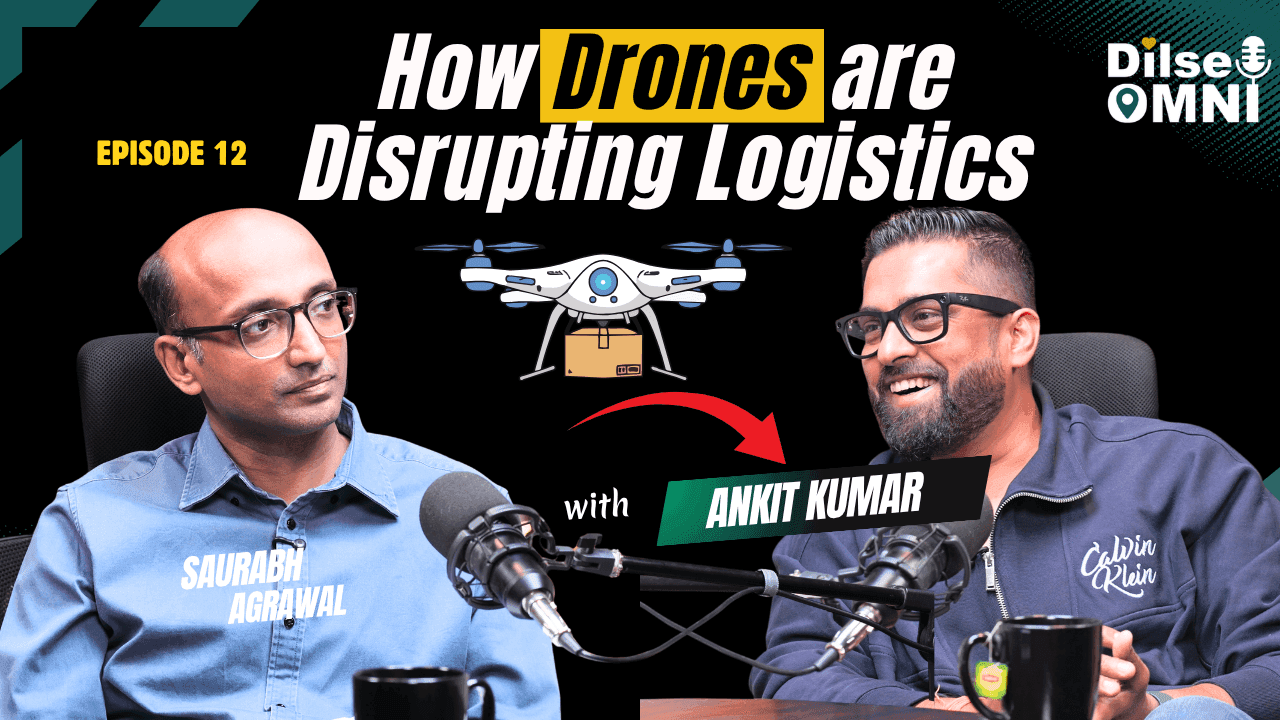
How are Drones Disrupting the Logistics | Ankit Kumar X Saurabh Agrawal | Dilse Omni Talks: E12
In this episode, Ankit, who is leading Skye Air Mobility tells about the transform logistics with efficient, reliable, and sustainable drone delivery networks.
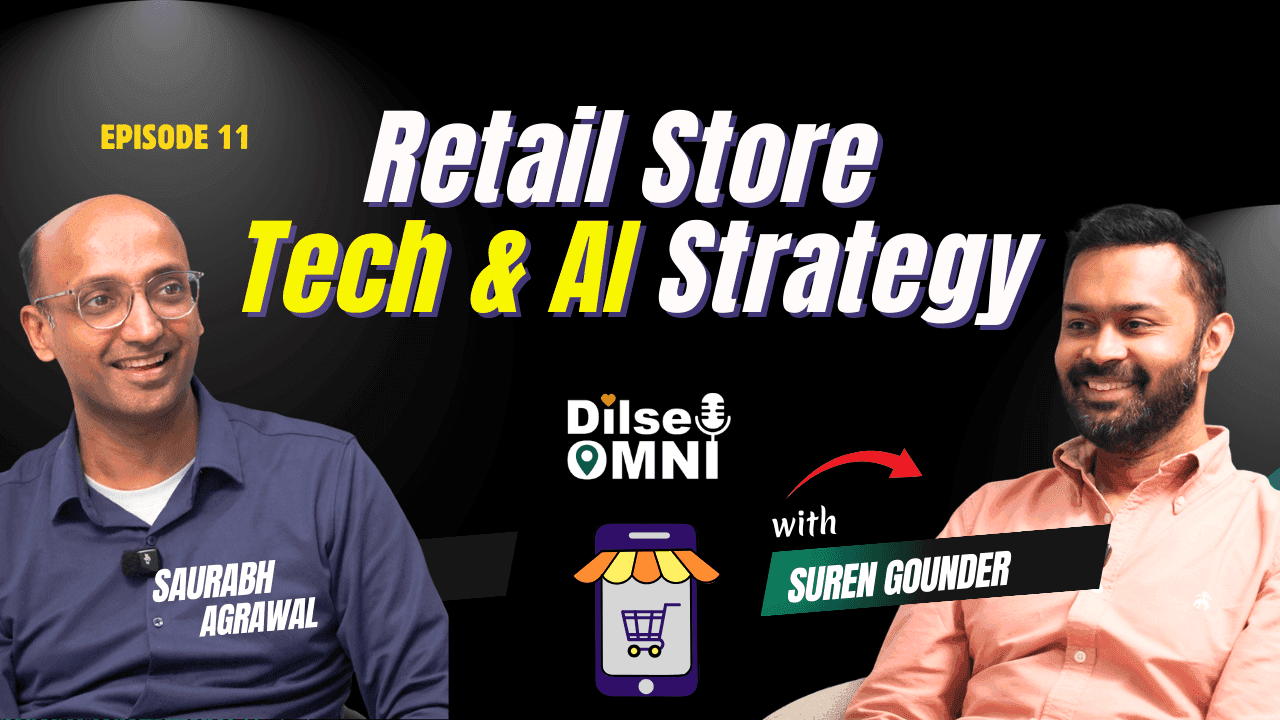
Retail Store Tech & AI Strategy | Suren Gounder X Saurabh Agrawal | Dilse Omni Talks: EP11
In this episode, Suren breaks down how offline stores are evolving from gut-feel operations into data-driven businesses — and why the brands that embrace store tech today will be impossible to catch tomorrow.
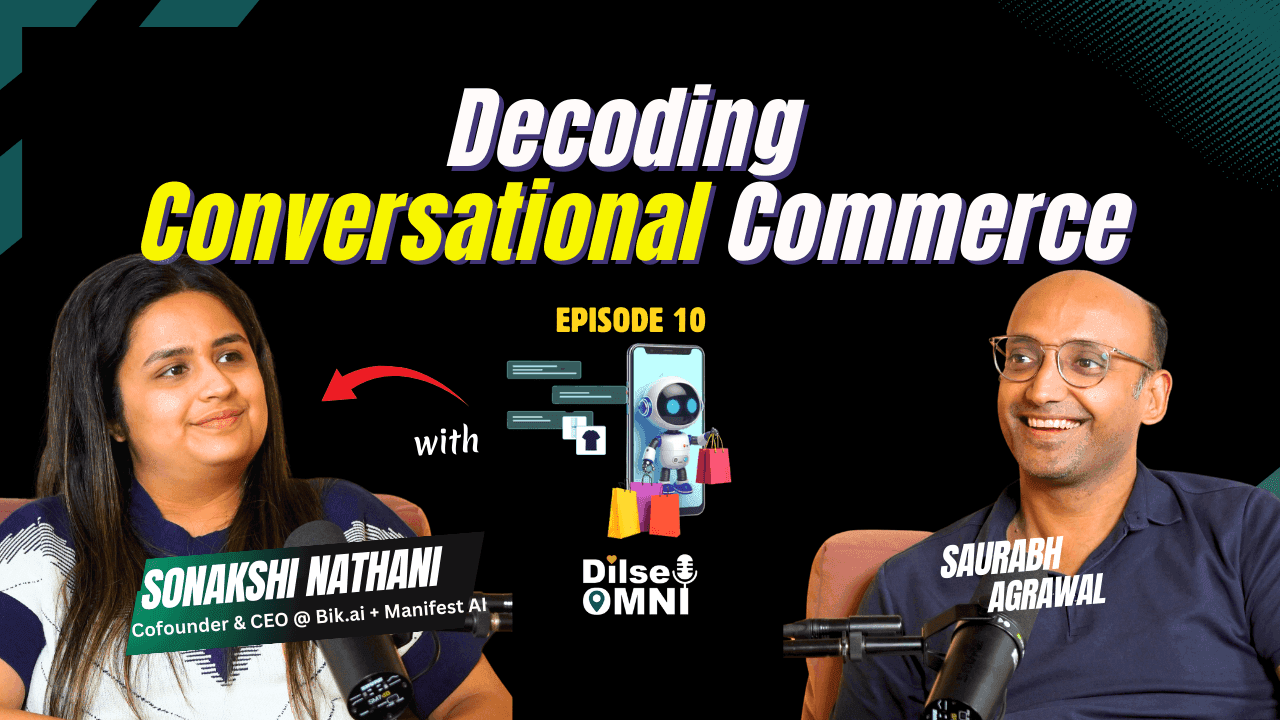
Decoding Conversational Commerce
Sonakshi Nathani — YC and Sequoia-backed founder who scaled Manifest AI to $4.5M ARR in two years without marketing spend — joins Saurabh to decode how AI chatbots are reshaping modern commerce.
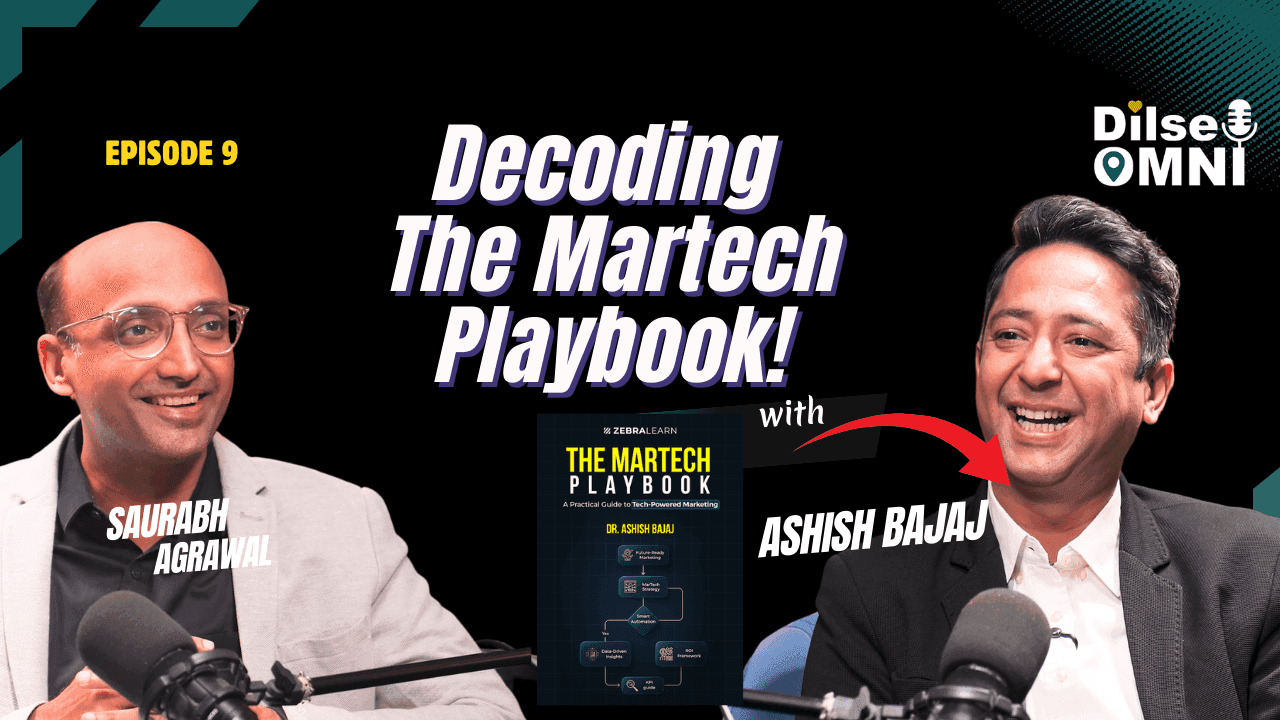
Decoding Martech Playbook | Dr. Ashish Bajaj X Saurabh Agrawal | Dilse Omni Talks: EP9
This episode breaks down why Martech is no longer optional but essential for brands that want to move from fragmented campaigns to connected, data-driven growth.
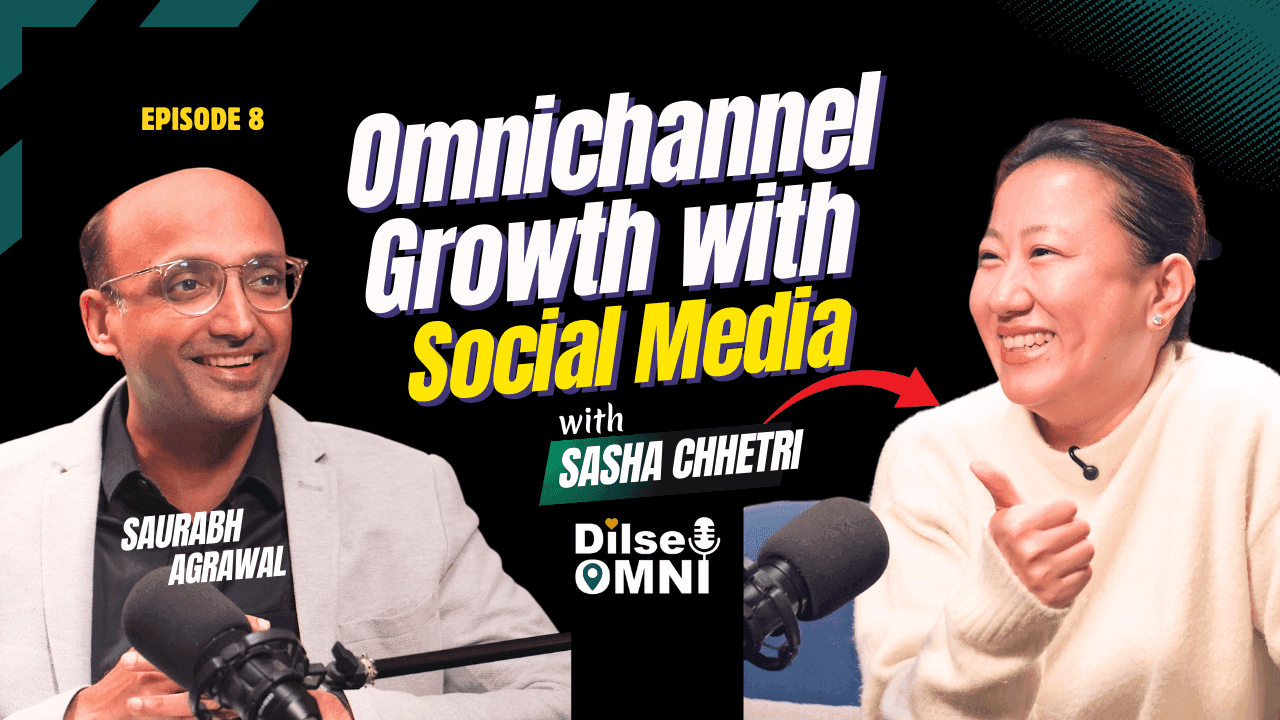
Omnichannel Growth with Social Media | Sasha Chhetri X Saurabh Agrawal | Dilse Omni Talks: EP8
Saurabh sits down with Sasha, to unpack how social media actually drives real business outcomes when you stop chasing vanity metrics and start designing for omnichannel growth.
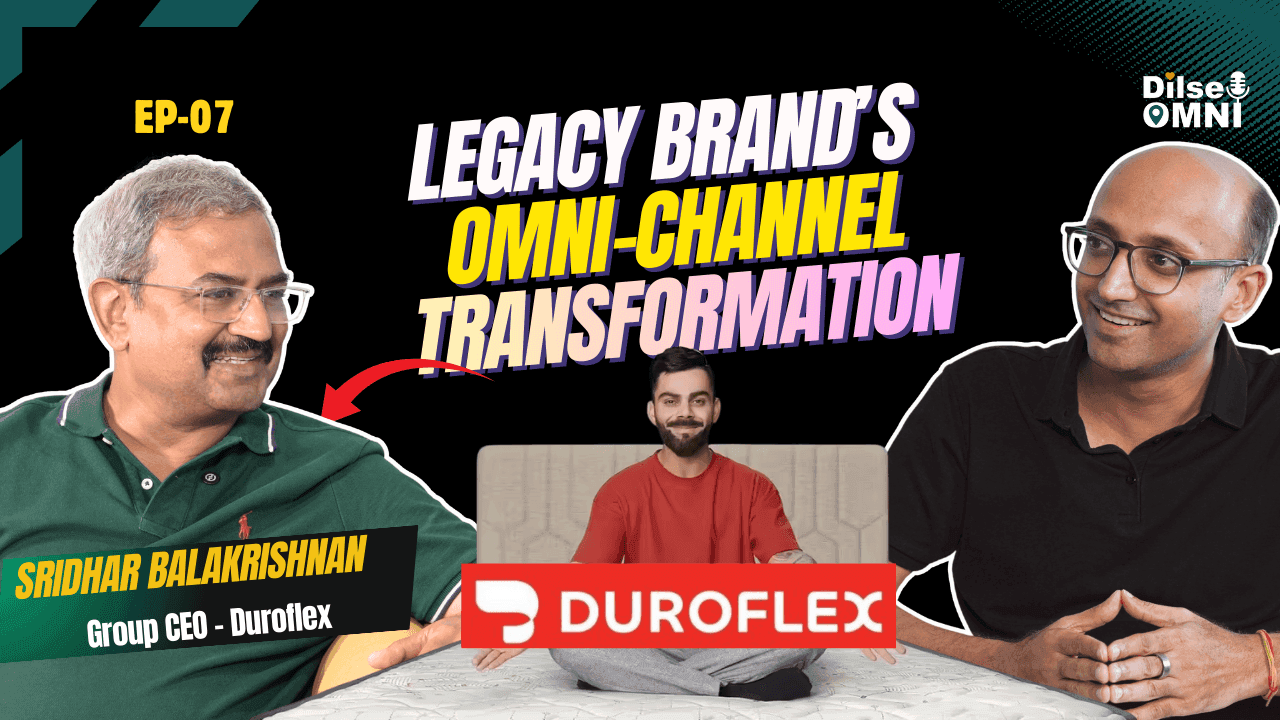
Legacy Brand's Omnichannel Transformation | Sridhar Balakrishnan X Saurabh Agrawal | DilSe Omni Talks: EP7
Saurabh sits down with Sridhar, Group CEO - Duroflex, to understand how a legacy brands can build omnichannel with patience and purpose.
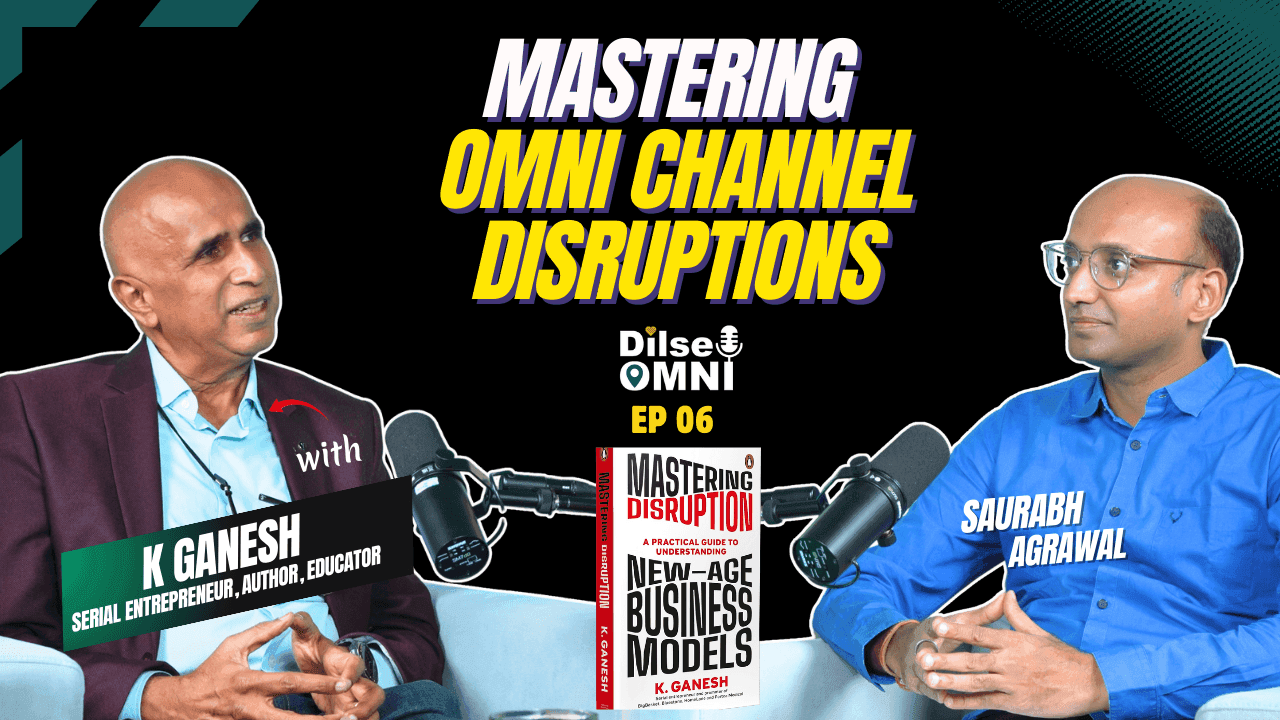
Mastering Omnichannel Disruptions | K Ganesh X Saurabh Agrawal | DilSe Omni Talks: EP6
Saurabh sits down with K Ganesh, a serial entrepreneur, author, and one of India’s most respected startup builders, to unpack what really drives sustainable growth in modern businesses.
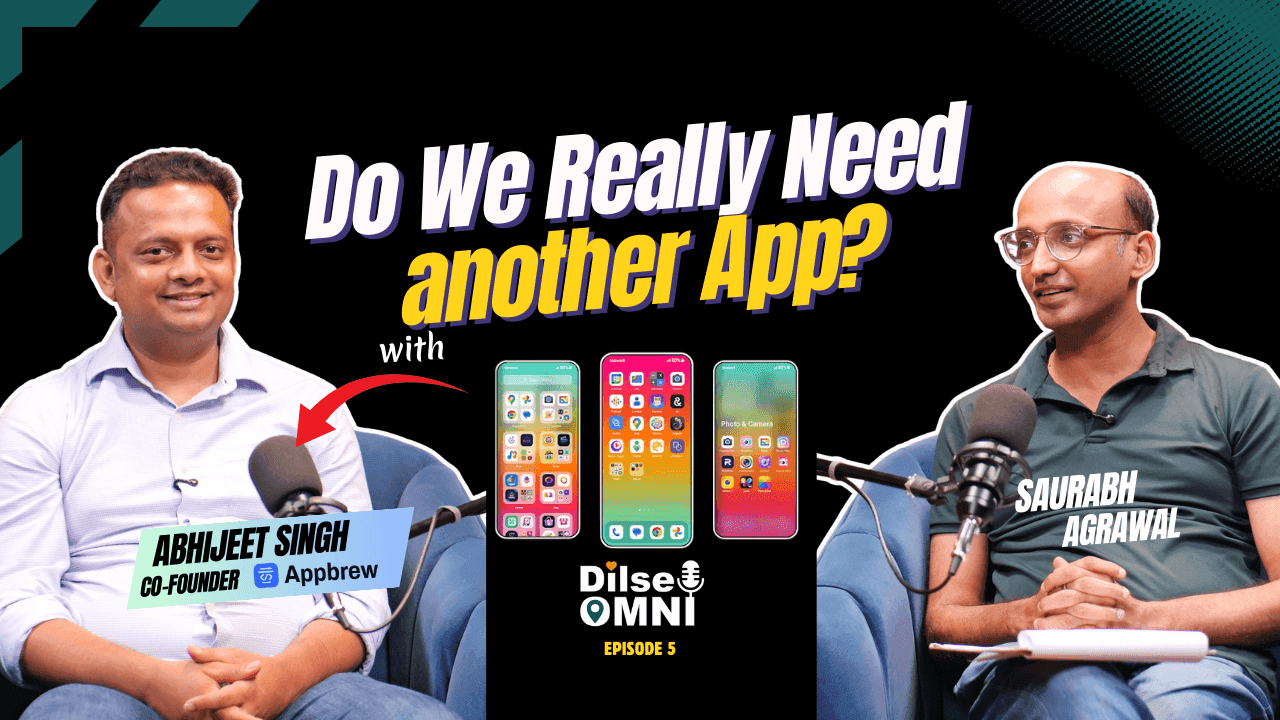
App Strategy for Omnichannel Brands | Abhijeet Singh X Saurabh Agrawal | DilSe Omni Talks: EP5
Saurabh and Abhijeet unpack when brands should actually invest in a mobile app, and why it’s not the right move for every category on day one.
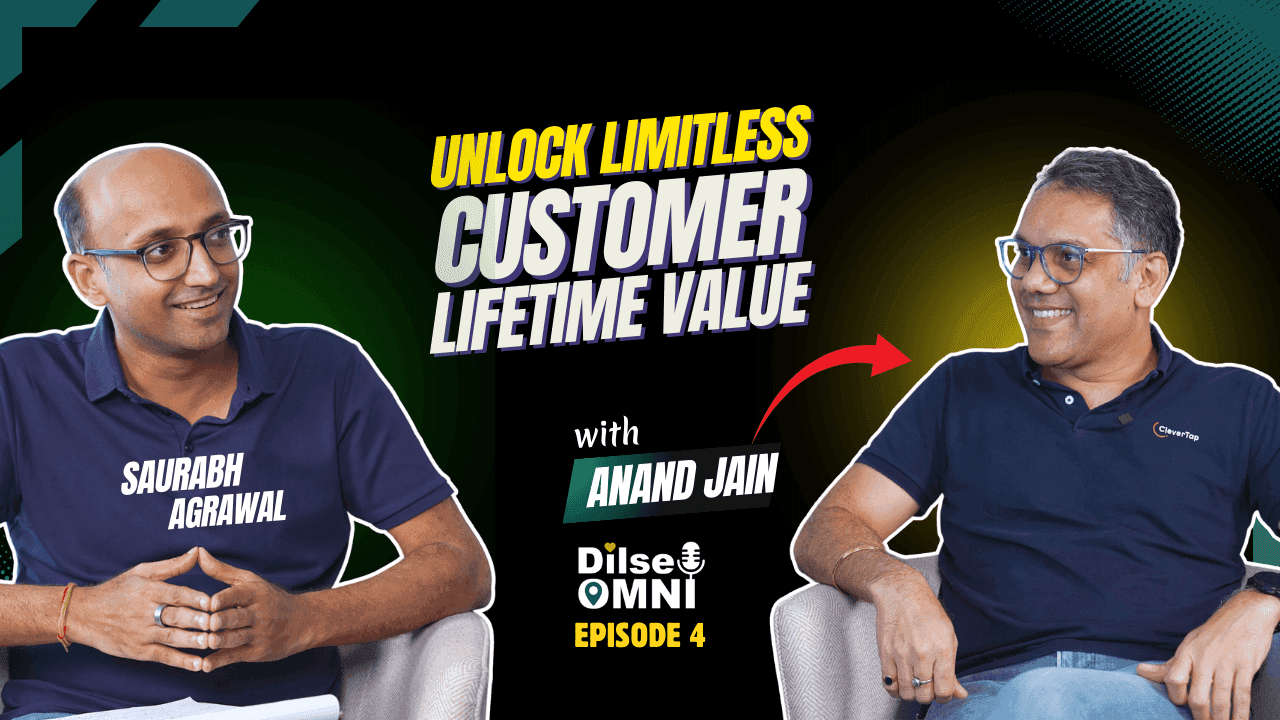
Unlock Limitless Customer Lifetime Value | Anand Jain X Saurabh Agrawal | DilSe Omni Talks: EP4
Saurabh and Anand talk about resilience, first-principles thinking, and how AI-driven personalization is reshaping retention.
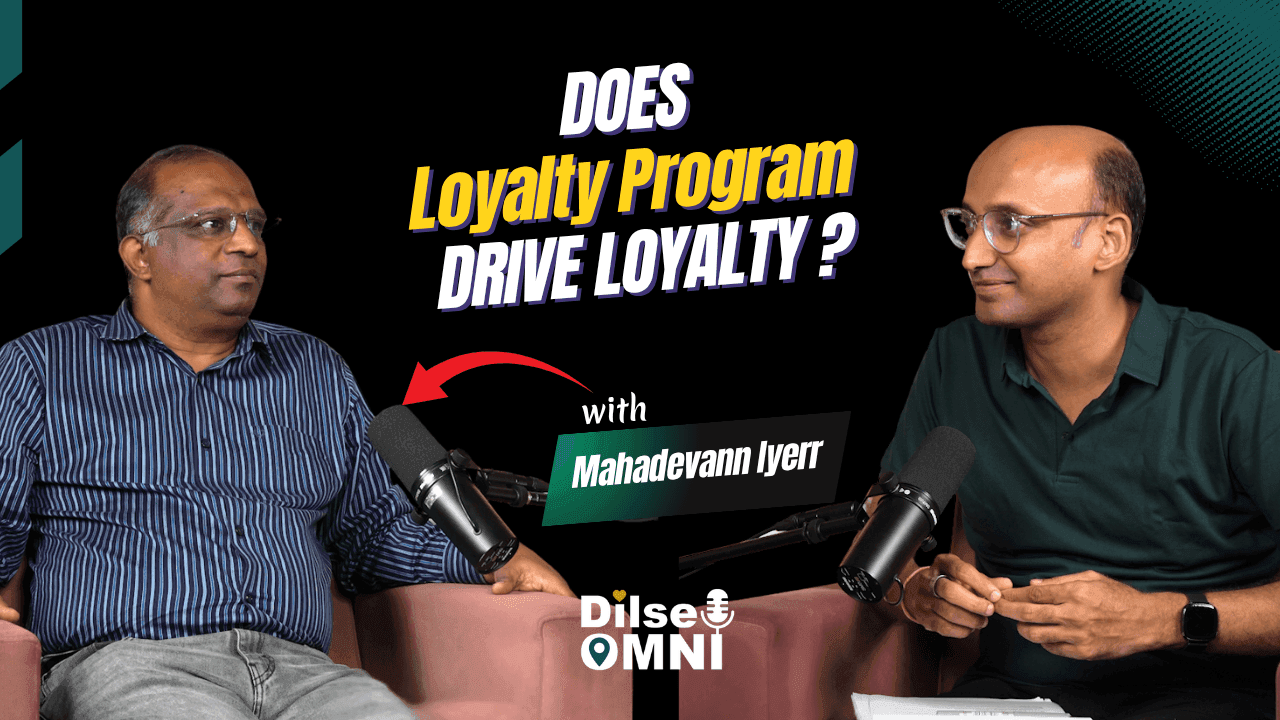
Does Loyalty Program really drives Loyalty | Mahadevann Iyerr x Saurabh Agrawal | DilSe Omni Talks: EP3
Saurabh and Maha talk about how loyalty programs don't create loyalty. Experience creates loyalty. Programs amplify it.
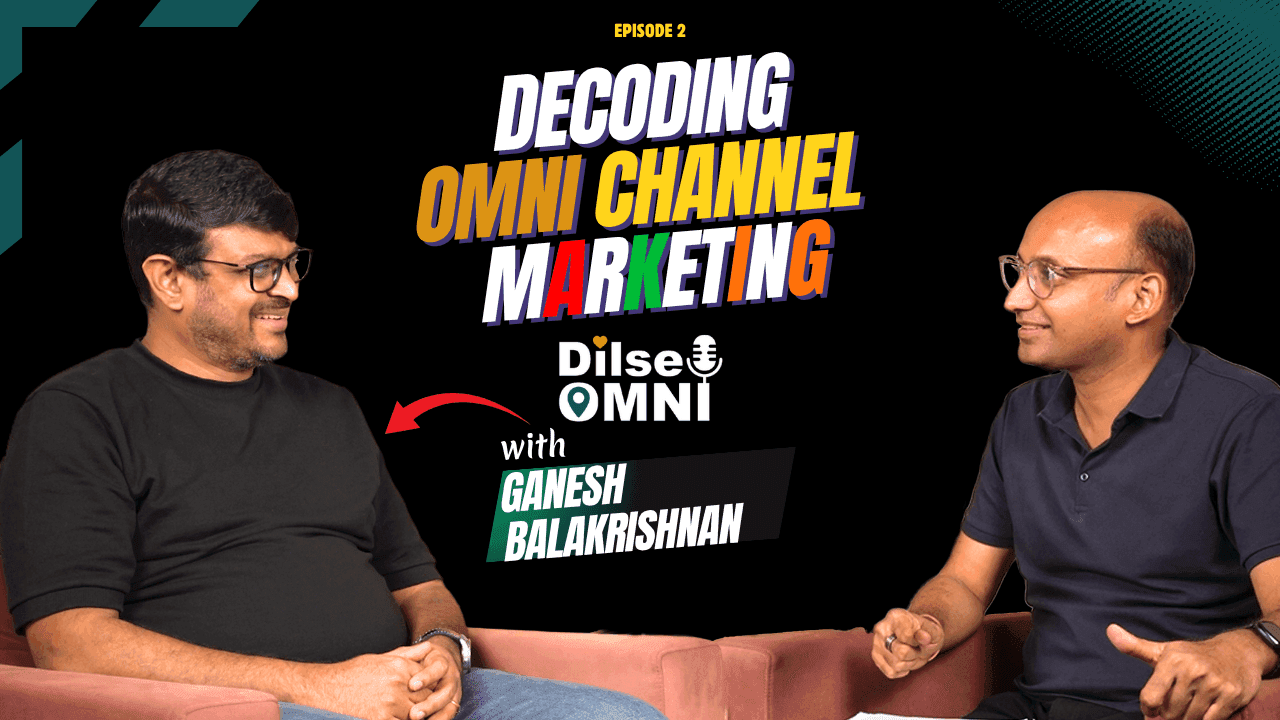
Decoding Omnichannel Marketing | Ganesh Balakrishnan x Saurabh Agrawal | DilSe Omni Talks: EP2
Saurabh and Ganesh decode modern marketing – blending data, retention, and omnichannel strategy to build human, memorable brand experiences.
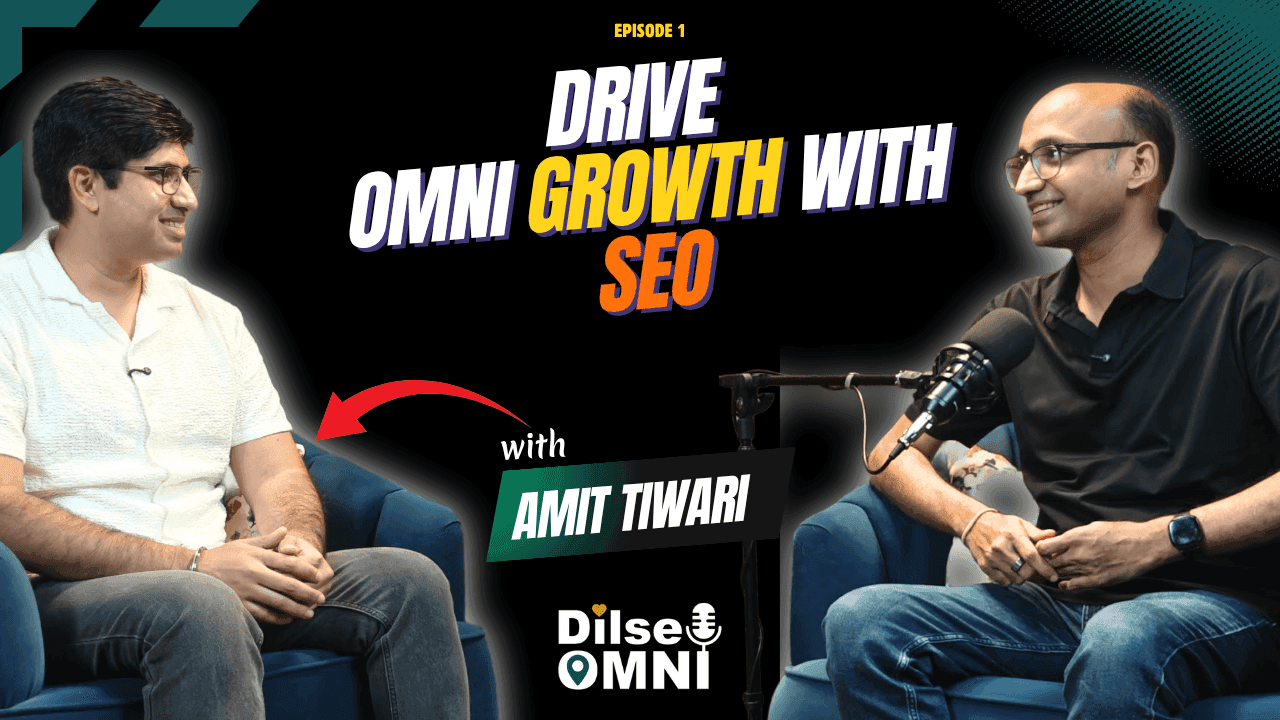
Top 5 SEO Strategies for Omni Success with AI | Amit Tiwari x Saurabh Agrawal | DilSe Omni Talks: EP1
Discover how AI, data, and Omnichannel thinking are redefining SEO as the heartbeat of modern brands—online, offline, and everywhere in between.
Latest Episodes
How are Drones Disrupting the Logistics | Ankit Kumar X Saurabh Agrawal | Dilse Omni Talks: E12
In this episode, Ankit, who is leading Skye Air Mobility tells about the transform logistics with efficient, reliable, and sustainable drone delivery networks.
Retail Store Tech & AI Strategy | Suren Gounder X Saurabh Agrawal | Dilse Omni Talks: EP11
In this episode, Suren breaks down how offline stores are evolving from gut-feel operations into data-driven businesses — and why the brands that embrace store tech today will be impossible to catch tomorrow.
Decoding Conversational Commerce
Sonakshi Nathani — YC and Sequoia-backed founder who scaled Manifest AI to $4.5M ARR in two years without marketing spend — joins Saurabh to decode how AI chatbots are reshaping modern commerce.
Decoding Martech Playbook | Dr. Ashish Bajaj X Saurabh Agrawal | Dilse Omni Talks: EP9
This episode breaks down why Martech is no longer optional but essential for brands that want to move from fragmented campaigns to connected, data-driven growth.
Omnichannel Growth with Social Media | Sasha Chhetri X Saurabh Agrawal | Dilse Omni Talks: EP8
Saurabh sits down with Sasha, to unpack how social media actually drives real business outcomes when you stop chasing vanity metrics and start designing for omnichannel growth.
Legacy Brand's Omnichannel Transformation | Sridhar Balakrishnan X Saurabh Agrawal | DilSe Omni Talks: EP7
Saurabh sits down with Sridhar, Group CEO - Duroflex, to understand how a legacy brands can build omnichannel with patience and purpose.
Mastering Omnichannel Disruptions | K Ganesh X Saurabh Agrawal | DilSe Omni Talks: EP6
Saurabh sits down with K Ganesh, a serial entrepreneur, author, and one of India’s most respected startup builders, to unpack what really drives sustainable growth in modern businesses.
App Strategy for Omnichannel Brands | Abhijeet Singh X Saurabh Agrawal | DilSe Omni Talks: EP5
Saurabh and Abhijeet unpack when brands should actually invest in a mobile app, and why it’s not the right move for every category on day one.
Unlock Limitless Customer Lifetime Value | Anand Jain X Saurabh Agrawal | DilSe Omni Talks: EP4
Saurabh and Anand talk about resilience, first-principles thinking, and how AI-driven personalization is reshaping retention.
Does Loyalty Program really drives Loyalty | Mahadevann Iyerr x Saurabh Agrawal | DilSe Omni Talks: EP3
Saurabh and Maha talk about how loyalty programs don't create loyalty. Experience creates loyalty. Programs amplify it.
Decoding Omnichannel Marketing | Ganesh Balakrishnan x Saurabh Agrawal | DilSe Omni Talks: EP2
Saurabh and Ganesh decode modern marketing – blending data, retention, and omnichannel strategy to build human, memorable brand experiences.
Top 5 SEO Strategies for Omni Success with AI | Amit Tiwari x Saurabh Agrawal | DilSe Omni Talks: EP1
Discover how AI, data, and Omnichannel thinking are redefining SEO as the heartbeat of modern brands—online, offline, and everywhere in between.
Latest Episodes
How are Drones Disrupting the Logistics | Ankit Kumar X Saurabh Agrawal | Dilse Omni Talks: E12
In this episode, Ankit, who is leading Skye Air Mobility tells about the transform logistics with efficient, reliable, and sustainable drone delivery networks.
Retail Store Tech & AI Strategy | Suren Gounder X Saurabh Agrawal | Dilse Omni Talks: EP11
In this episode, Suren breaks down how offline stores are evolving from gut-feel operations into data-driven businesses — and why the brands that embrace store tech today will be impossible to catch tomorrow.
Decoding Conversational Commerce
Sonakshi Nathani — YC and Sequoia-backed founder who scaled Manifest AI to $4.5M ARR in two years without marketing spend — joins Saurabh to decode how AI chatbots are reshaping modern commerce.
Decoding Martech Playbook | Dr. Ashish Bajaj X Saurabh Agrawal | Dilse Omni Talks: EP9
This episode breaks down why Martech is no longer optional but essential for brands that want to move from fragmented campaigns to connected, data-driven growth.
Omnichannel Growth with Social Media | Sasha Chhetri X Saurabh Agrawal | Dilse Omni Talks: EP8
Saurabh sits down with Sasha, to unpack how social media actually drives real business outcomes when you stop chasing vanity metrics and start designing for omnichannel growth.
Legacy Brand's Omnichannel Transformation | Sridhar Balakrishnan X Saurabh Agrawal | DilSe Omni Talks: EP7
Saurabh sits down with Sridhar, Group CEO - Duroflex, to understand how a legacy brands can build omnichannel with patience and purpose.
Mastering Omnichannel Disruptions | K Ganesh X Saurabh Agrawal | DilSe Omni Talks: EP6
Saurabh sits down with K Ganesh, a serial entrepreneur, author, and one of India’s most respected startup builders, to unpack what really drives sustainable growth in modern businesses.
App Strategy for Omnichannel Brands | Abhijeet Singh X Saurabh Agrawal | DilSe Omni Talks: EP5
Saurabh and Abhijeet unpack when brands should actually invest in a mobile app, and why it’s not the right move for every category on day one.
Unlock Limitless Customer Lifetime Value | Anand Jain X Saurabh Agrawal | DilSe Omni Talks: EP4
Saurabh and Anand talk about resilience, first-principles thinking, and how AI-driven personalization is reshaping retention.
Does Loyalty Program really drives Loyalty | Mahadevann Iyerr x Saurabh Agrawal | DilSe Omni Talks: EP3
Saurabh and Maha talk about how loyalty programs don't create loyalty. Experience creates loyalty. Programs amplify it.
Decoding Omnichannel Marketing | Ganesh Balakrishnan x Saurabh Agrawal | DilSe Omni Talks: EP2
Saurabh and Ganesh decode modern marketing – blending data, retention, and omnichannel strategy to build human, memorable brand experiences.
Top 5 SEO Strategies for Omni Success with AI | Amit Tiwari x Saurabh Agrawal | DilSe Omni Talks: EP1
Discover how AI, data, and Omnichannel thinking are redefining SEO as the heartbeat of modern brands—online, offline, and everywhere in between.
Subscribe on your favourite platform



Subscribe on your favourite platform



Subscribe on your favourite platform

Subscribe for
insider insights
Get monthly newsletter right in your inbox
Subscribe
for insider insights
Get monthly newsletter right in your inbox