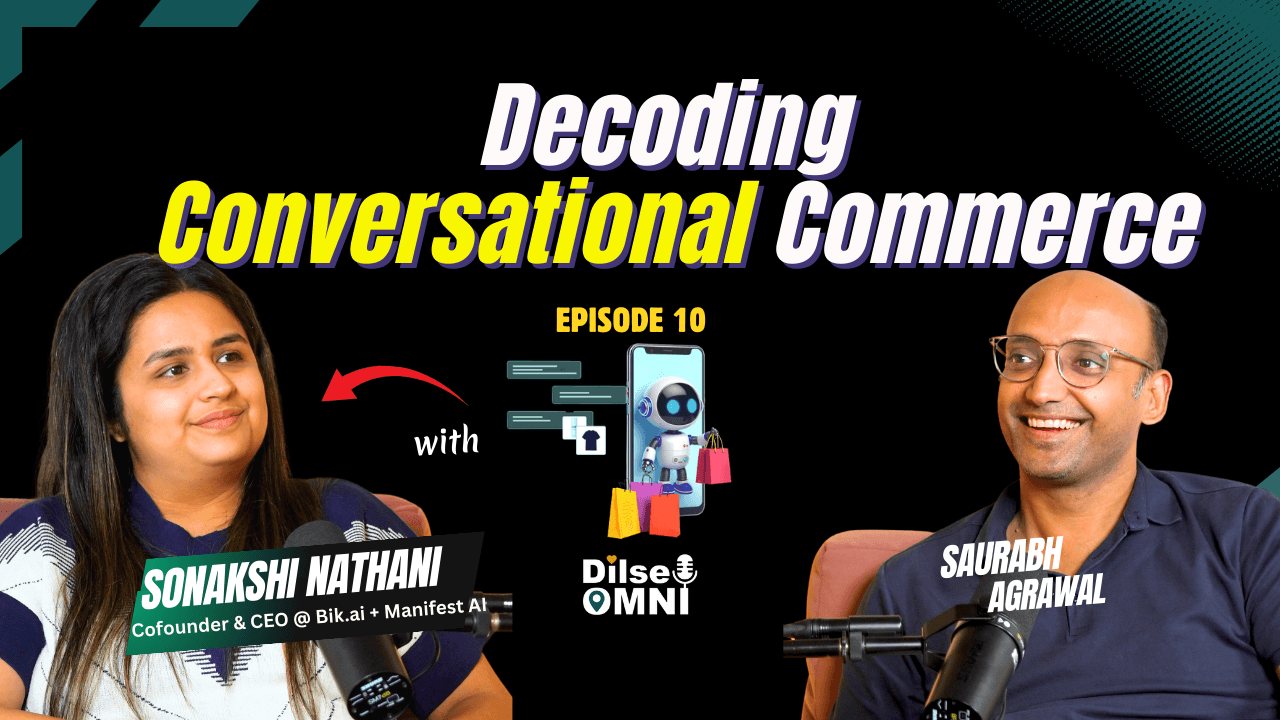
Sonakshi Nathani
Sonakshi Nathani
Episode 10
Episode 10
97 min
97 min
EP10: Decoding Conversational Commerce with Sonakshi Nathani
EP10: Decoding Conversational Commerce with Sonakshi Nathani
EP10: Decoding Conversational Commerce with Sonakshi Nathani
Why Does This Episode Matter?
Why Does This Episode Matter?
Conversations are everywhere today. Customers are interacting with brands across website chat, Instagram DMs, WhatsApp, and even through WhatsApp bots. What began as a simple FAQ tool has now become the first layer of customer interaction.
Earlier, the biggest use cases for chatbots were support tickets, order tracking, refunds, delivery updates, and basic queries. But now, bots are moving beyond just resolving issues. They’re guiding purchases, assisting decisions, and supporting the entire customer journey.
The shift is massive. The chatbot market is growing at over 23% annually and is expected to reach $15.5 billion by 2028. Bots already handle nearly 30% of live chat conversations and up to 80% of routine tasks, showing how deeply conversational commerce is embedding itself into how brands operate.
Conversations are everywhere today. Customers are interacting with brands across website chat, Instagram DMs, WhatsApp, and even through WhatsApp bots. What began as a simple FAQ tool has now become the first layer of customer interaction.
Earlier, the biggest use cases for chatbots were support tickets, order tracking, refunds, delivery updates, and basic queries. But now, bots are moving beyond just resolving issues. They’re guiding purchases, assisting decisions, and supporting the entire customer journey.
The shift is massive. The chatbot market is growing at over 23% annually and is expected to reach $15.5 billion by 2028. Bots already handle nearly 30% of live chat conversations and up to 80% of routine tasks, showing how deeply conversational commerce is embedding itself into how brands operate.
Conversations are everywhere today. Customers are interacting with brands across website chat, Instagram DMs, WhatsApp, and even through WhatsApp bots. What began as a simple FAQ tool has now become the first layer of customer interaction.
Earlier, the biggest use cases for chatbots were support tickets, order tracking, refunds, delivery updates, and basic queries. But now, bots are moving beyond just resolving issues. They’re guiding purchases, assisting decisions, and supporting the entire customer journey.
The shift is massive. The chatbot market is growing at over 23% annually and is expected to reach $15.5 billion by 2028. Bots already handle nearly 30% of live chat conversations and up to 80% of routine tasks, showing how deeply conversational commerce is embedding itself into how brands operate.

Sonakshi Nathani
Cofounder & CEO @ Bik.ai + Manifest AI
Topic discussed
Topic discussed
In this episode of the DilSe Omni Podcast, Saurabh sat down with Sonakshi, CEO of Manifest.ai, to discuss how chatbots quickly shifted into something much bigger, a conversation about how digital commerce itself is being restructured in real time, with AI moving from support function to sales infrastructure.
In this episode of the DilSe Omni Podcast, Saurabh sat down with Sonakshi, CEO of Manifest.ai, to discuss how chatbots quickly shifted into something much bigger, a conversation about how digital commerce itself is being restructured in real time, with AI moving from support function to sales infrastructure.
How Should Brands Select AI Chatbots?
If you’re choosing an AI chatbot in 2026, don’t just compare features.
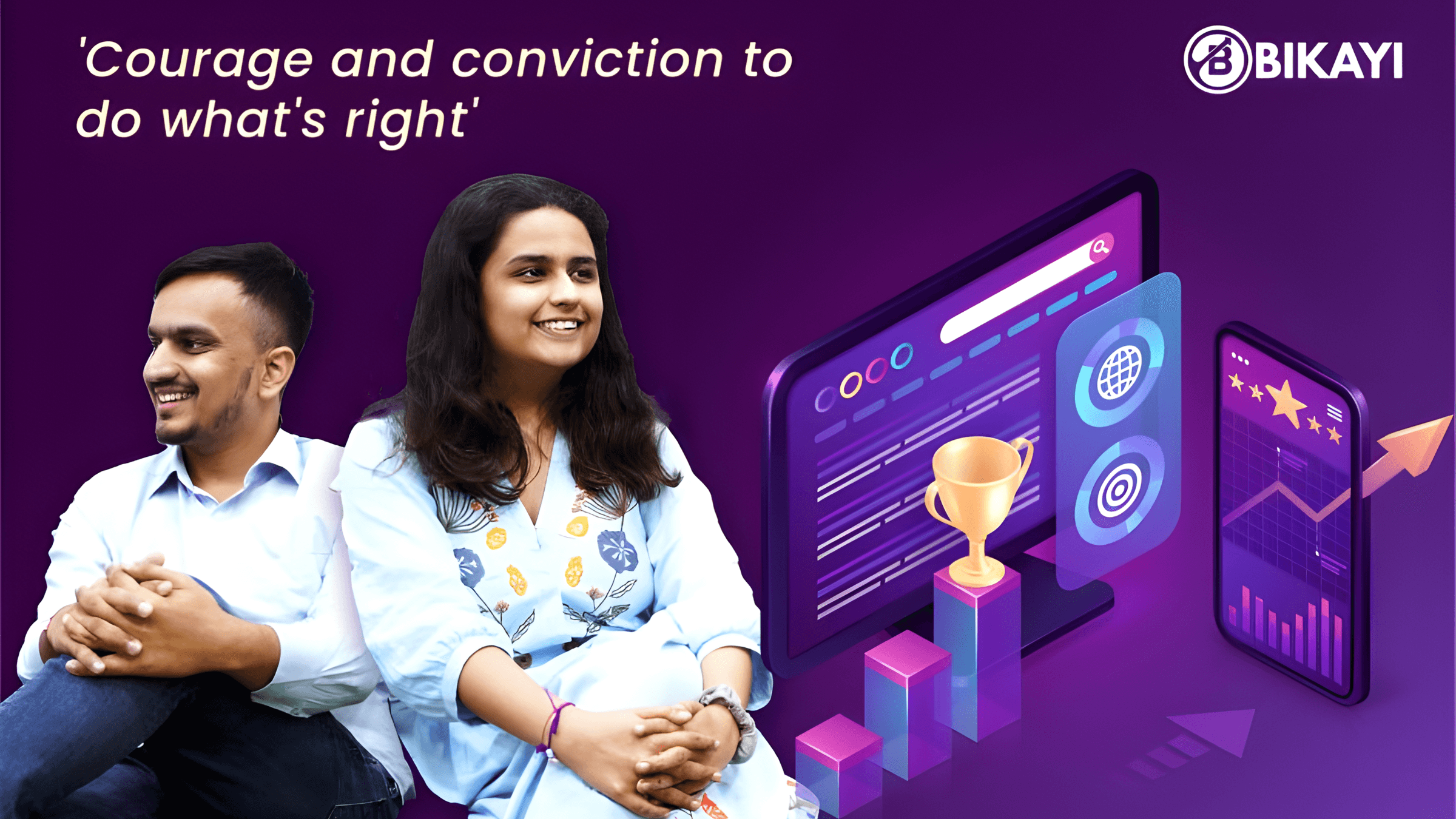
Use the WIDGET Framework to evaluate the right AI platform.
Choosing an AI chatbot isn’t just a tech decision, it’s a business one. Before debating build vs. buy, brands need to step back and answer a simpler question: what problem are we actually trying to solve?
How Should Brands Select AI Chatbots?
If you’re choosing an AI chatbot in 2026, don’t just compare features.
Use the WIDGET Framework to evaluate the right AI platform.
Choosing an AI chatbot isn’t just a tech decision, it’s a business one. Before debating build vs. buy, brands need to step back and answer a simpler question: what problem are we actually trying to solve?
How Should Brands Select AI Chatbots?
If you’re choosing an AI chatbot in 2026, don’t just compare features.
Use the WIDGET Framework to evaluate the right AI platform.
Choosing an AI chatbot isn’t just a tech decision, it’s a business one. Before debating build vs. buy, brands need to step back and answer a simpler question: what problem are we actually trying to solve?
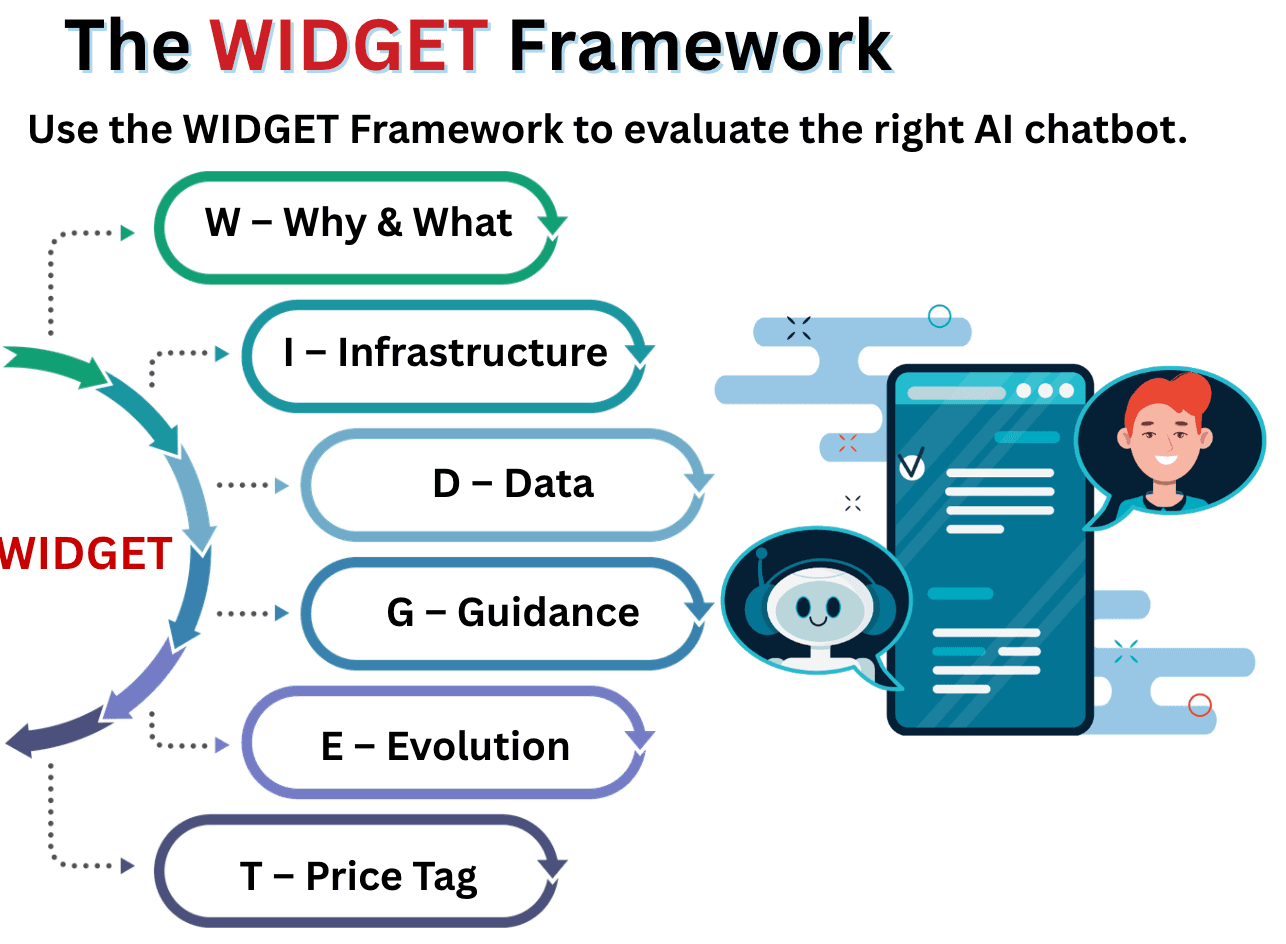
W – Why & What
Before selecting a platform, answer one simple question:
Why do we want to automate? And what exactly are we solving?
Are you trying to:
Automate repetitive support queries?
Reduce cost per conversation?
Increase assisted sales conversions?
Improve AOV through recommendations?
Capture structured customer data?
Nearly 70% of chatbot interactions today are hygiene queries like order tracking, delivery updates, refunds, product details. That’s useful. But limited.
If you don’t define the outcome, you’ll end up selecting features instead of solutions.
As Sonakshi puts it: solve for the consumer first.
If the problem you’re solving doesn’t improve the customer journey, the AI won’t drive impact.
As Sonakshi shared, the brand Underneat was very clear about what they wanted to solve. They ensured their AI chatbot was trained specifically to handle size-guide queries, helping consumers choose the right fit with confidence.
W – Why & What
Before selecting a platform, answer one simple question:
Why do we want to automate? And what exactly are we solving?
Are you trying to:
Automate repetitive support queries?
Reduce cost per conversation?
Increase assisted sales conversions?
Improve AOV through recommendations?
Capture structured customer data?
Nearly 70% of chatbot interactions today are hygiene queries like order tracking, delivery updates, refunds, product details. That’s useful. But limited.
If you don’t define the outcome, you’ll end up selecting features instead of solutions.
As Sonakshi puts it: solve for the consumer first.
If the problem you’re solving doesn’t improve the customer journey, the AI won’t drive impact.
As Sonakshi shared, the brand Underneat was very clear about what they wanted to solve. They ensured their AI chatbot was trained specifically to handle size-guide queries, helping consumers choose the right fit with confidence.
I – Infrastructure
A chatbot is not a floating widget but it is an infrastructure.
It must integrate deeply with your catalog, inventory systems, logistics, CRM, and payment systems to function as true commerce infrastructure rather than just a surface-level chat tool.
But today, this whole ecosystem has evolved.
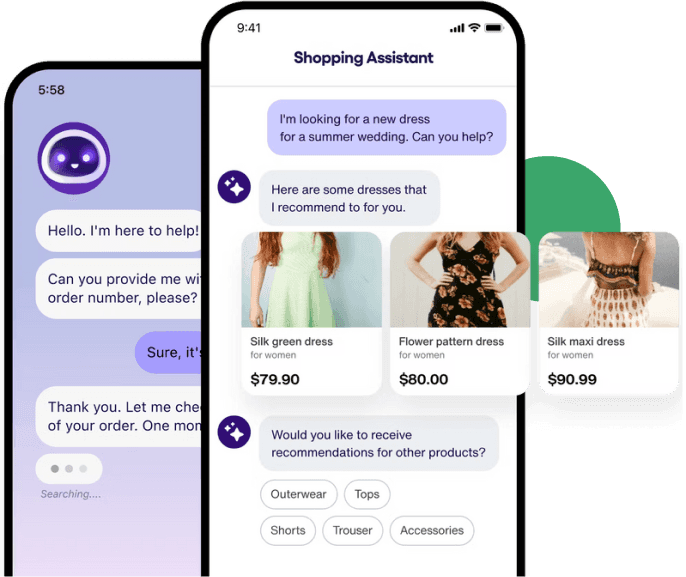
Today, instead of typing "red dress size M," a shopper says: "I need something elegant for a winter wedding under ₹3000 that can be delivered before Friday." That's a completely different kind of request. It has context, constraints with intent.
And AI can actually understand it now. Choosing the right AI platform means choosing one that can interpret layered intent, not just match keywords.
Commerce is no longer a linear click journey. It's becoming a conversation. And that changes everything about how brands need to think about technology.
I – Infrastructure
A chatbot is not a floating widget but it is an infrastructure.
It must integrate deeply with your catalog, inventory systems, logistics, CRM, and payment systems to function as true commerce infrastructure rather than just a surface-level chat tool.
But today, this whole ecosystem has evolved.
Today, instead of typing "red dress size M," a shopper says: "I need something elegant for a winter wedding under ₹3000 that can be delivered before Friday." That's a completely different kind of request. It has context, constraints with intent.
And AI can actually understand it now. Choosing the right AI platform means choosing one that can interpret layered intent, not just match keywords.
Commerce is no longer a linear click journey. It's becoming a conversation. And that changes everything about how brands need to think about technology.
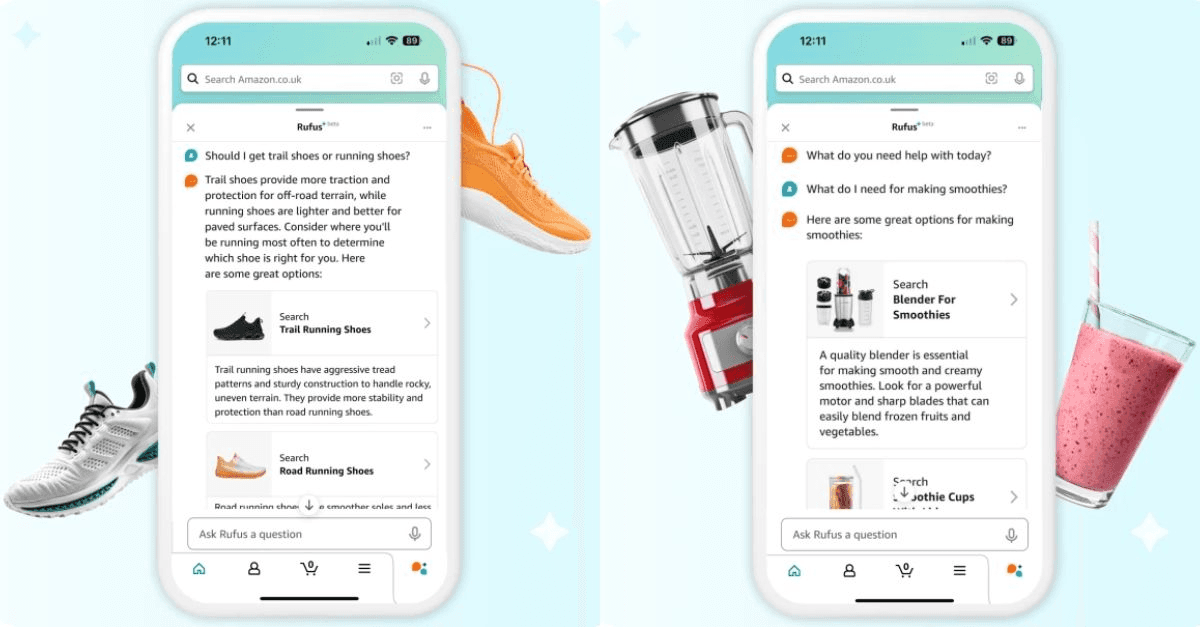
Saurabh mentioned Amazon's Rufus as a good benchmark here. Ask it to find a birthday gift for an 11-year-old, within a specific budget, with two-day delivery, backed by strong ratings, and it handles all of that in one go. The intelligence is baked into the catalog, not sprayed on top of it.
Saurabh mentioned Amazon's Rufus as a good benchmark here. Ask it to find a birthday gift for an 11-year-old, within a specific budget, with two-day delivery, backed by strong ratings, and it handles all of that in one go. The intelligence is baked into the catalog, not sprayed on top of it.
D – Data & Analytics
Traditional chatbot success was once measured by response time, ticket deflection, and cost savings, but today those metrics are no longer enough, brands must instead measure assisted revenue influence, incremental conversion lift, AOV improvement, retention impact, and structured data capture.
G – Guidance & Support
In the podcast, they discussed that the brands need to stop thinking about "deploying a chatbot" and start thinking about "hiring a digital sales assistant." Same technology but completely different mindset.
A tool only responds but a sales assistant understands context, makes recommendations, handles nuance, and drives revenue.
And the numbers are backing this up. Sonakshi shared the example of Manifest.ai’s implementation at BL Fabric, a brand that also appeared on Shark Tank…where up to 87% of support queries are now handled entirely by AI. Even more compelling, nearly 8.5% of total revenue is directly influenced by AI-led conversations.
At that point, it stops being “just customer support” and becomes a sales engine.
D – Data & Analytics
Traditional chatbot success was once measured by response time, ticket deflection, and cost savings, but today those metrics are no longer enough, brands must instead measure assisted revenue influence, incremental conversion lift, AOV improvement, retention impact, and structured data capture.
G – Guidance & Support
In the podcast, they discussed that the brands need to stop thinking about "deploying a chatbot" and start thinking about "hiring a digital sales assistant." Same technology but completely different mindset.
A tool only responds but a sales assistant understands context, makes recommendations, handles nuance, and drives revenue.
And the numbers are backing this up. Sonakshi shared the example of Manifest.ai’s implementation at BL Fabric, a brand that also appeared on Shark Tank…where up to 87% of support queries are now handled entirely by AI. Even more compelling, nearly 8.5% of total revenue is directly influenced by AI-led conversations.
At that point, it stops being “just customer support” and becomes a sales engine.
D – Data & Analytics
Traditional chatbot success was once measured by response time, ticket deflection, and cost savings, but today those metrics are no longer enough, brands must instead measure assisted revenue influence, incremental conversion lift, AOV improvement, retention impact, and structured data capture.
G – Guidance & Support
In the podcast, they discussed that the brands need to stop thinking about "deploying a chatbot" and start thinking about "hiring a digital sales assistant." Same technology but completely different mindset.
A tool only responds but a sales assistant understands context, makes recommendations, handles nuance, and drives revenue.
And the numbers are backing this up. Sonakshi shared the example of Manifest.ai’s implementation at BL Fabric, a brand that also appeared on Shark Tank…where up to 87% of support queries are now handled entirely by AI. Even more compelling, nearly 8.5% of total revenue is directly influenced by AI-led conversations.
At that point, it stops being “just customer support” and becomes a sales engine.

E – Evolution
Nearly 30% of all searches today are voice-led. Think about who's driving that, a 70-year-old using voice-to-text on WhatsApp, and an 11-year-old who has genuinely never needed a physical keyboard. These two very different people are native to the same interface.
In India's tier-two and tier-three cities, this is even more pronounced. Entire user segments skipped the desktop era entirely. For them, commerce was never typed it was always spoken.
If your storefront cannot be understood by an ear as well as an eye, then it will miss out on opportunities.
Your AI partner must:
Evolve rapidly
Adapt to voice and multilingual interactions
Improve contextual intelligence consistently
A stagnant system will quietly cost you conversions.
T – Price Tag
Chat-based support usually costs much less than a phone call, sometimes almost one-fifth. That makes automation attractive immediately.
But when you’re evaluating price, don’t just look at how much you’re saving per conversation. Look at the bigger picture.
Ask yourself: How much does each conversation cost?
- How many of those conversations influence conversions?
- Is it helping increase revenue?
- Is it reducing operational load?
- Can it scale as your business grows?
A basic, low-cost bot might reduce support expenses. But the right AI assistant doesn’t just cut costs, it helps generate revenue.
And that’s a very different investment decision.
E – Evolution
Nearly 30% of all searches today are voice-led. Think about who's driving that, a 70-year-old using voice-to-text on WhatsApp, and an 11-year-old who has genuinely never needed a physical keyboard. These two very different people are native to the same interface.
In India's tier-two and tier-three cities, this is even more pronounced. Entire user segments skipped the desktop era entirely. For them, commerce was never typed it was always spoken.
If your storefront cannot be understood by an ear as well as an eye, then it will miss out on opportunities.
Your AI partner must:
Evolve rapidly
Adapt to voice and multilingual interactions
Improve contextual intelligence consistently
A stagnant system will quietly cost you conversions.
T – Price Tag
Chat-based support usually costs much less than a phone call, sometimes almost one-fifth. That makes automation attractive immediately.
But when you’re evaluating price, don’t just look at how much you’re saving per conversation. Look at the bigger picture.
Ask yourself: How much does each conversation cost?
- How many of those conversations influence conversions?
- Is it helping increase revenue?
- Is it reducing operational load?
- Can it scale as your business grows?
A basic, low-cost bot might reduce support expenses. But the right AI assistant doesn’t just cut costs, it helps generate revenue.
And that’s a very different investment decision.
E – Evolution
Nearly 30% of all searches today are voice-led. Think about who's driving that, a 70-year-old using voice-to-text on WhatsApp, and an 11-year-old who has genuinely never needed a physical keyboard. These two very different people are native to the same interface.
In India's tier-two and tier-three cities, this is even more pronounced. Entire user segments skipped the desktop era entirely. For them, commerce was never typed it was always spoken.
If your storefront cannot be understood by an ear as well as an eye, then it will miss out on opportunities.
Your AI partner must:
Evolve rapidly
Adapt to voice and multilingual interactions
Improve contextual intelligence consistently
A stagnant system will quietly cost you conversions.
T – Price Tag
Chat-based support usually costs much less than a phone call, sometimes almost one-fifth. That makes automation attractive immediately.
But when you’re evaluating price, don’t just look at how much you’re saving per conversation. Look at the bigger picture.
Ask yourself: How much does each conversation cost?
- How many of those conversations influence conversions?
- Is it helping increase revenue?
- Is it reducing operational load?
- Can it scale as your business grows?
A basic, low-cost bot might reduce support expenses. But the right AI assistant doesn’t just cut costs, it helps generate revenue.
And that’s a very different investment decision.
Sonakshi's Story of building Manifest.ai
Sonakshi's Story of building Manifest.ai
Her philosophy was: at the core, the customer is king, and if the product cannot yet scale a solution, the team must temporarily become the solution.
What made the episode especially grounding was the way Sonakshi spoke about building Manifest.ai. She was clear that Manifest is built for enterprise companies, and it stands on three simple but demanding principles:
Build products that solve real problems
Ensure AI features are practical
Offer strong, reliable support when things get messy.
Her philosophy was: at the core, the customer is king, and if the product cannot yet scale a solution, the team must temporarily become the solution.
What made the episode especially grounding was the way Sonakshi spoke about building Manifest.ai. She was clear that Manifest is built for enterprise companies, and it stands on three simple but demanding principles:
Build products that solve real problems
Ensure AI features are practical
Offer strong, reliable support when things get messy.

The journey from Bikai to Manifest was a disciplined response to real merchant friction: complex store locators, logistics exceptions, layered buying journeys, and unstructured customer conversations that traditional bots simply couldn’t handle.
And in conversational commerce, that mindset matters. Because here, trust compounds far faster than any advertising budget ever could.
Traditional chatbot success was measured by response time, ticket deflection, and cost savings. Those are fine metrics but just not sufficient anymore.
The real question is: can your assistant handle actual human messiness?
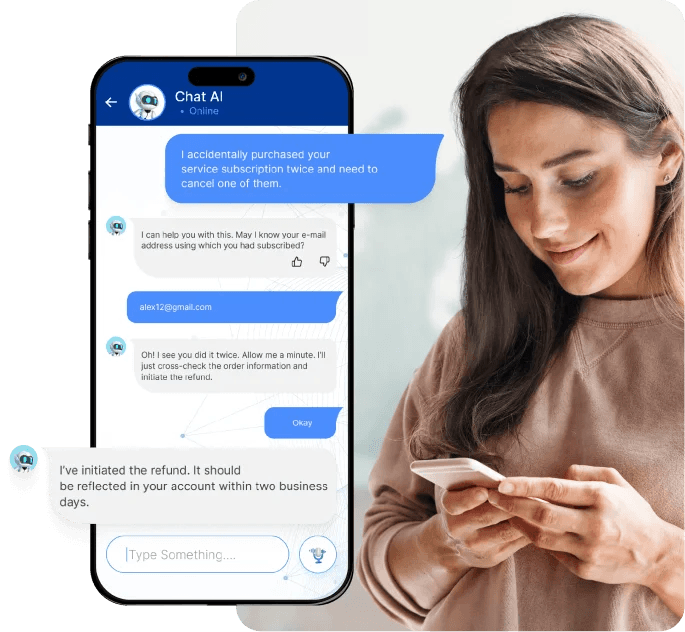
Can it respond when someone says, "I won't be home to receive the parcel, but my father-in-law will be there, can you coordinate?" Can it be recommended without sounding scripted? Can it turn vague intent into a precise answer?
Sonakshi talked about evaluating AI readiness the same way you'd assess a new hire, testing contextual understanding, sales instinct, and the ability to close conversations meaningfully.
The journey from Bikai to Manifest was a disciplined response to real merchant friction: complex store locators, logistics exceptions, layered buying journeys, and unstructured customer conversations that traditional bots simply couldn’t handle.
And in conversational commerce, that mindset matters. Because here, trust compounds far faster than any advertising budget ever could.
Traditional chatbot success was measured by response time, ticket deflection, and cost savings. Those are fine metrics but just not sufficient anymore.
The real question is: can your assistant handle actual human messiness?
Can it respond when someone says, "I won't be home to receive the parcel, but my father-in-law will be there, can you coordinate?" Can it be recommended without sounding scripted? Can it turn vague intent into a precise answer?
Sonakshi talked about evaluating AI readiness the same way you'd assess a new hire, testing contextual understanding, sales instinct, and the ability to close conversations meaningfully.
Biggest mistakes brands make while selecting the bots?
Biggest mistakes brands make while selecting the bots?
Choosing an AI bot which is consumer-facing is very crucial as it directly impacts brand perception.
Mistakes of Smaller Brands:
Over-prioritising price over performance
Many smaller brands choose the cheapest solution available. But low-cost bots often compromise on intelligence and quality, which directly impacts customer trust.Undertrained AI systems
Bots are deployed without proper data training, leading to scripted, irrelevant, or repetitive responses.Limited capability
The tool simply cannot handle complex or contextual queries, resulting in frustration instead of resolution.
AI should be treated as an investment in customer experience and revenue, not just a cost-saving experiment.
Mistakes of Larger Brands:
No clear ownership
There is often no dedicated team responsible for training, improving, and evolving the AI system.Low risk-taking appetite
Bigger brands hesitate to let AI handle revenue-driving conversations, limiting it to basic support use cases.
The biggest mistake across both segments is treating AI like a plug-and-play tool, instead of a long-term strategic capability.
Choosing an AI bot which is consumer-facing is very crucial as it directly impacts brand perception.
Mistakes of Smaller Brands:
Over-prioritising price over performance
Many smaller brands choose the cheapest solution available. But low-cost bots often compromise on intelligence and quality, which directly impacts customer trust.Undertrained AI systems
Bots are deployed without proper data training, leading to scripted, irrelevant, or repetitive responses.Limited capability
The tool simply cannot handle complex or contextual queries, resulting in frustration instead of resolution.
AI should be treated as an investment in customer experience and revenue, not just a cost-saving experiment.
Mistakes of Larger Brands:
No clear ownership
There is often no dedicated team responsible for training, improving, and evolving the AI system.Low risk-taking appetite
Bigger brands hesitate to let AI handle revenue-driving conversations, limiting it to basic support use cases.
The biggest mistake across both segments is treating AI like a plug-and-play tool, instead of a long-term strategic capability.
Choosing an AI bot which is consumer-facing is very crucial as it directly impacts brand perception.
Mistakes of Smaller Brands:
Over-prioritising price over performance
Many smaller brands choose the cheapest solution available. But low-cost bots often compromise on intelligence and quality, which directly impacts customer trust.Undertrained AI systems
Bots are deployed without proper data training, leading to scripted, irrelevant, or repetitive responses.Limited capability
The tool simply cannot handle complex or contextual queries, resulting in frustration instead of resolution.
AI should be treated as an investment in customer experience and revenue, not just a cost-saving experiment.
Mistakes of Larger Brands:
No clear ownership
There is often no dedicated team responsible for training, improving, and evolving the AI system.Low risk-taking appetite
Bigger brands hesitate to let AI handle revenue-driving conversations, limiting it to basic support use cases.
The biggest mistake across both segments is treating AI like a plug-and-play tool, instead of a long-term strategic capability.
Conclusion
Conclusion
Chatbots started as cost-saving support tools but they are becoming revenue-driving, context-aware digital sales assistants. Commerce is shifting from clicks to conversations, from keyword search to intent interpretation.
So the real question isn’t: “Should we deploy an AI chatbot?”
It’s: “Have we chosen the right AI partner for the next five years of commerce?”
Chatbots started as cost-saving support tools but they are becoming revenue-driving, context-aware digital sales assistants. Commerce is shifting from clicks to conversations, from keyword search to intent interpretation.
So the real question isn’t: “Should we deploy an AI chatbot?”
It’s: “Have we chosen the right AI partner for the next five years of commerce?”
AI in commerce is no longer an experiment. It is infrastructure.
Brands that treat it as an experiment will get surface-level automation. Brands that treat it like a team member will build something that lasts.
The future of shopping will feel less like navigating a website and more like saying, "Help me choose." The brands that win won't be the ones shouting the loudest about their AI. They'll be the ones whose intelligence quietly works, exactly when it's needed.
Listen to the full episode on the DilSe Omni Podcast to catch the complete conversation with Sonakshi, CEO of Manifest.ai.
AI in commerce is no longer an experiment. It is infrastructure.
Brands that treat it as an experiment will get surface-level automation. Brands that treat it like a team member will build something that lasts.
The future of shopping will feel less like navigating a website and more like saying, "Help me choose." The brands that win won't be the ones shouting the loudest about their AI. They'll be the ones whose intelligence quietly works, exactly when it's needed.
Listen to the full episode on the DilSe Omni Podcast to catch the complete conversation with Sonakshi, CEO of Manifest.ai.
The biggest takeaway from this episode?
The biggest takeaway from this episode?
Conversational commerce works only when bots understand context, not just keywords, and are well-trained on proper data.
Conversational commerce works only when bots understand context, not just keywords, and are well-trained on proper data.
Choose AI platforms based on business outcomes, not just features.
Choose AI platforms based on business outcomes, not just features.
AI chatbots must move from ticket resolution to revenue generation.
AI chatbots must move from ticket resolution to revenue generation.
This is just the beginning. If you’re ready to understand how AI and Omnichannel thinking work together, and hear real stories from people building the future
This is just the beginning. If you’re ready to understand how AI and Omnichannel thinking work together, and hear real stories from people building the future
Talks with Saurabh Agrawal
Talks with Saurabh Agrawal

Talks with Saurabh Agrawal
Latest Episodes
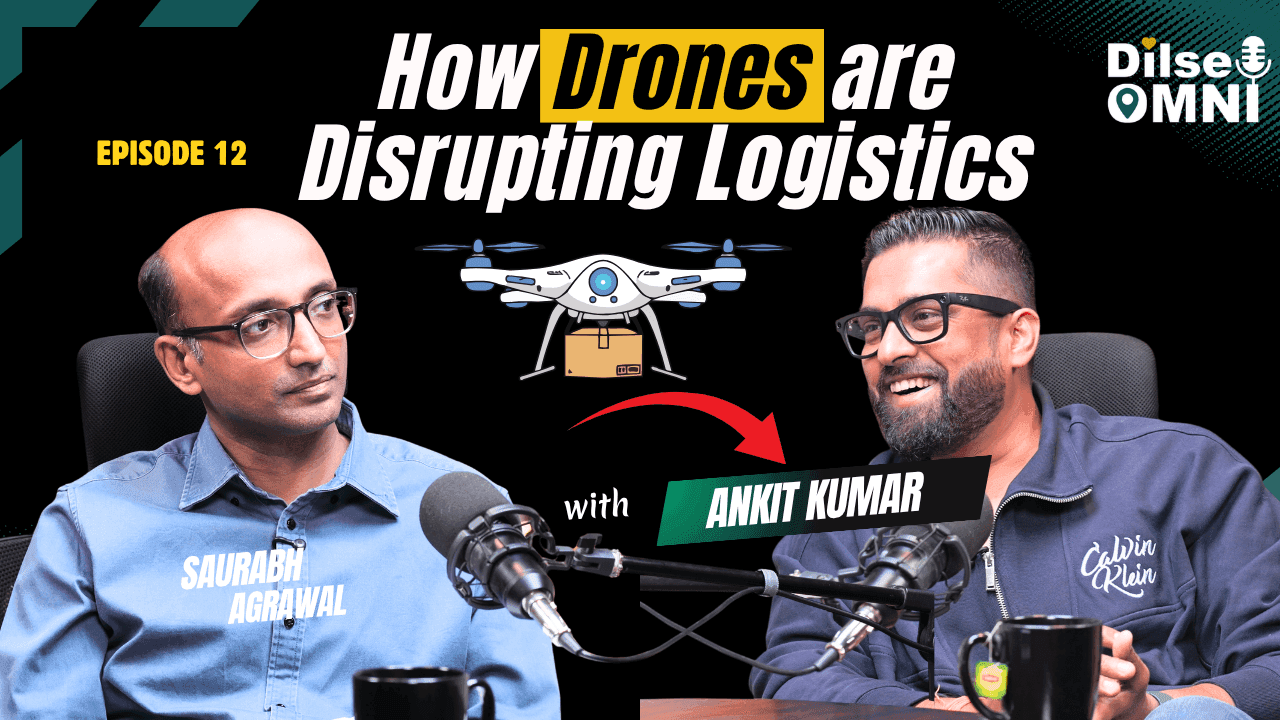
How are Drones Disrupting the Logistics | Ankit Kumar X Saurabh Agrawal | Dilse Omni Talks: E12
In this episode, Ankit, who is leading Skye Air Mobility tells about the transform logistics with efficient, reliable, and sustainable drone delivery networks.
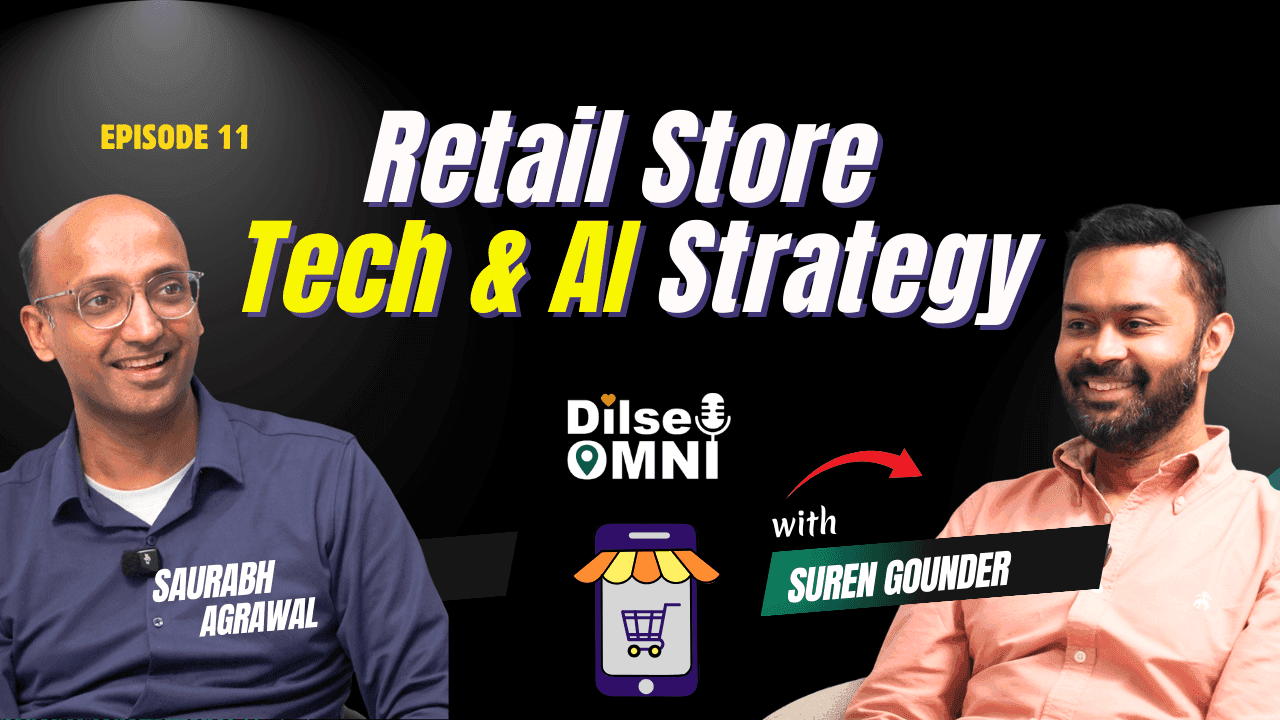
Retail Store Tech & AI Strategy | Suren Gounder X Saurabh Agrawal | Dilse Omni Talks: EP11
In this episode, Suren breaks down how offline stores are evolving from gut-feel operations into data-driven businesses — and why the brands that embrace store tech today will be impossible to catch tomorrow.
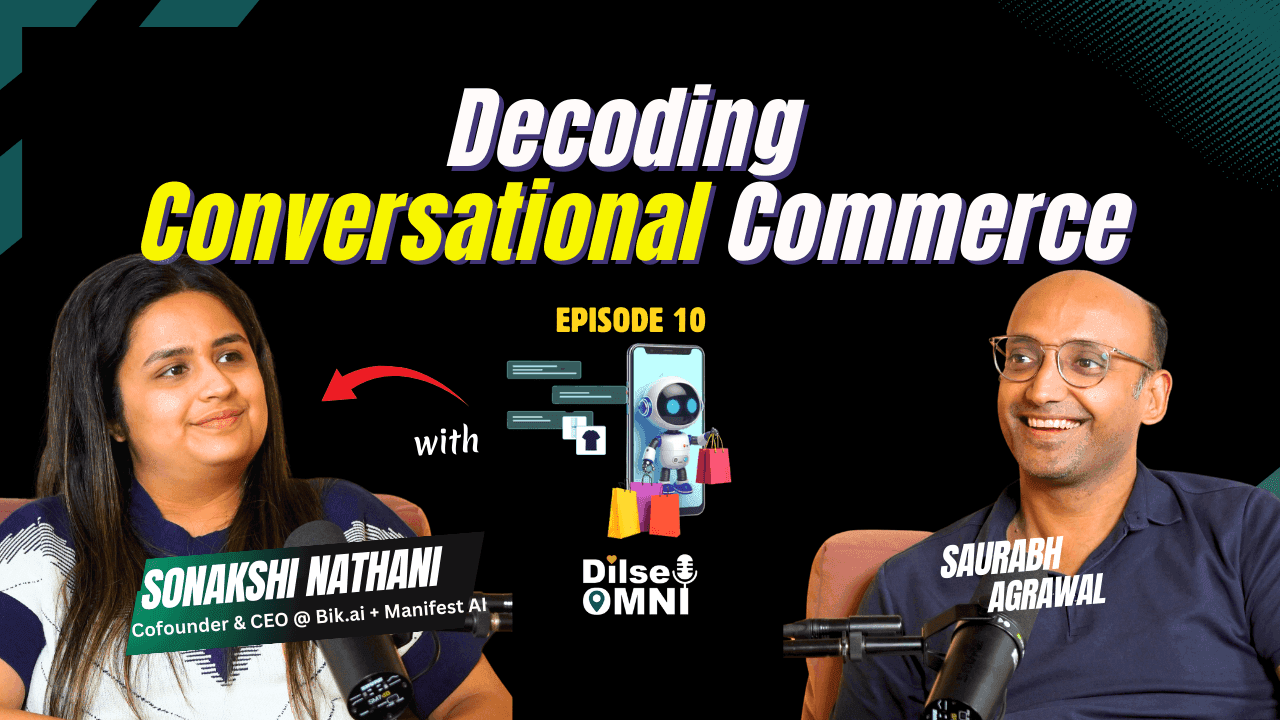
Decoding Conversational Commerce
Sonakshi Nathani — YC and Sequoia-backed founder who scaled Manifest AI to $4.5M ARR in two years without marketing spend — joins Saurabh to decode how AI chatbots are reshaping modern commerce.
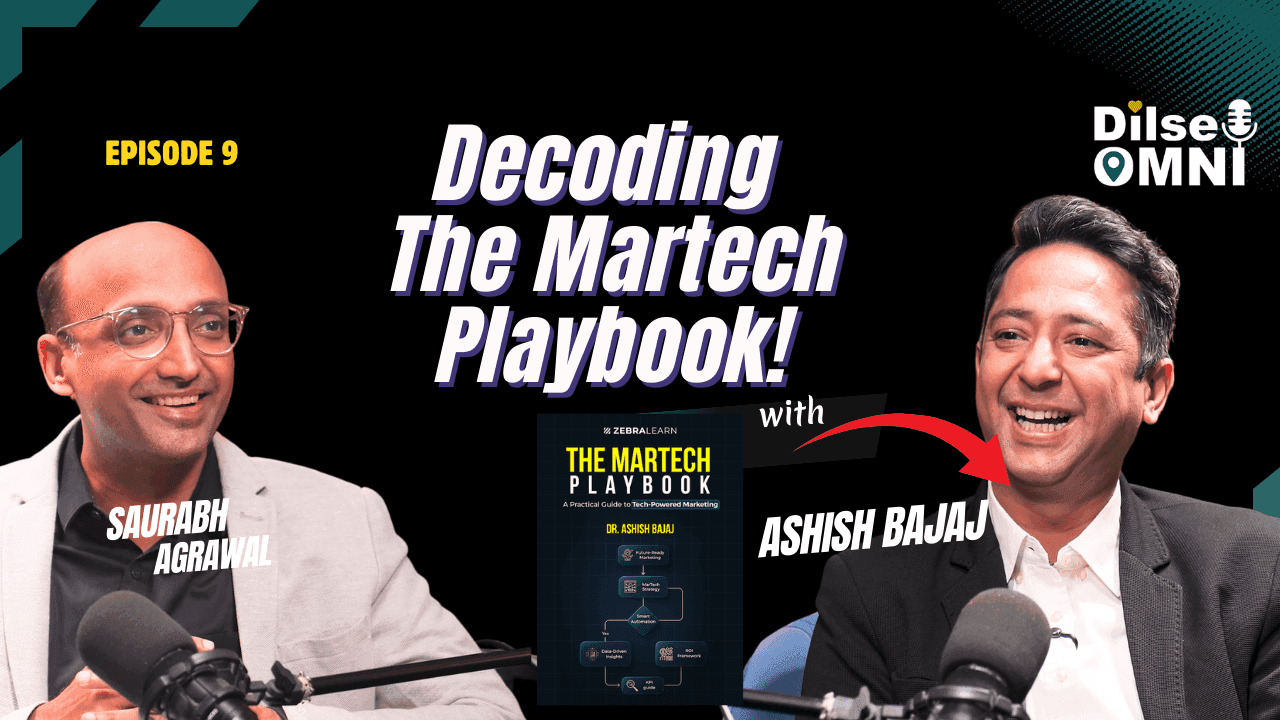
Decoding Martech Playbook | Dr. Ashish Bajaj X Saurabh Agrawal | Dilse Omni Talks: EP9
This episode breaks down why Martech is no longer optional but essential for brands that want to move from fragmented campaigns to connected, data-driven growth.
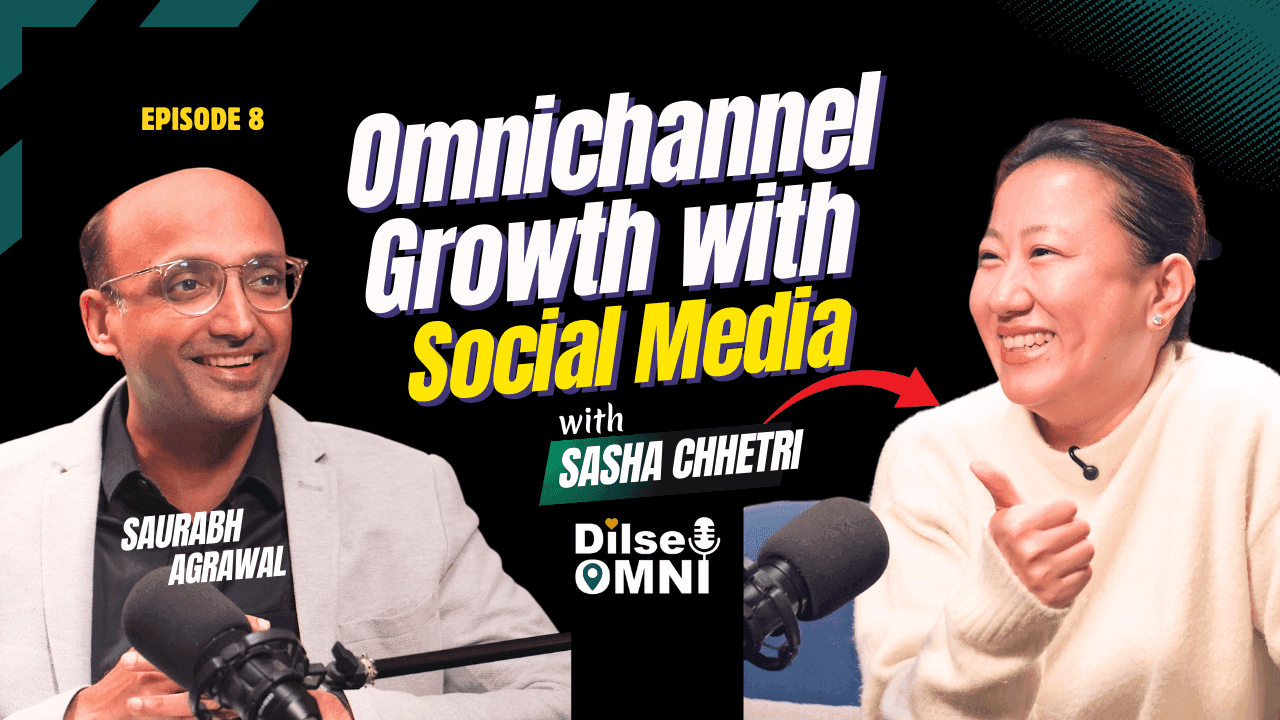
Omnichannel Growth with Social Media | Sasha Chhetri X Saurabh Agrawal | Dilse Omni Talks: EP8
Saurabh sits down with Sasha, to unpack how social media actually drives real business outcomes when you stop chasing vanity metrics and start designing for omnichannel growth.
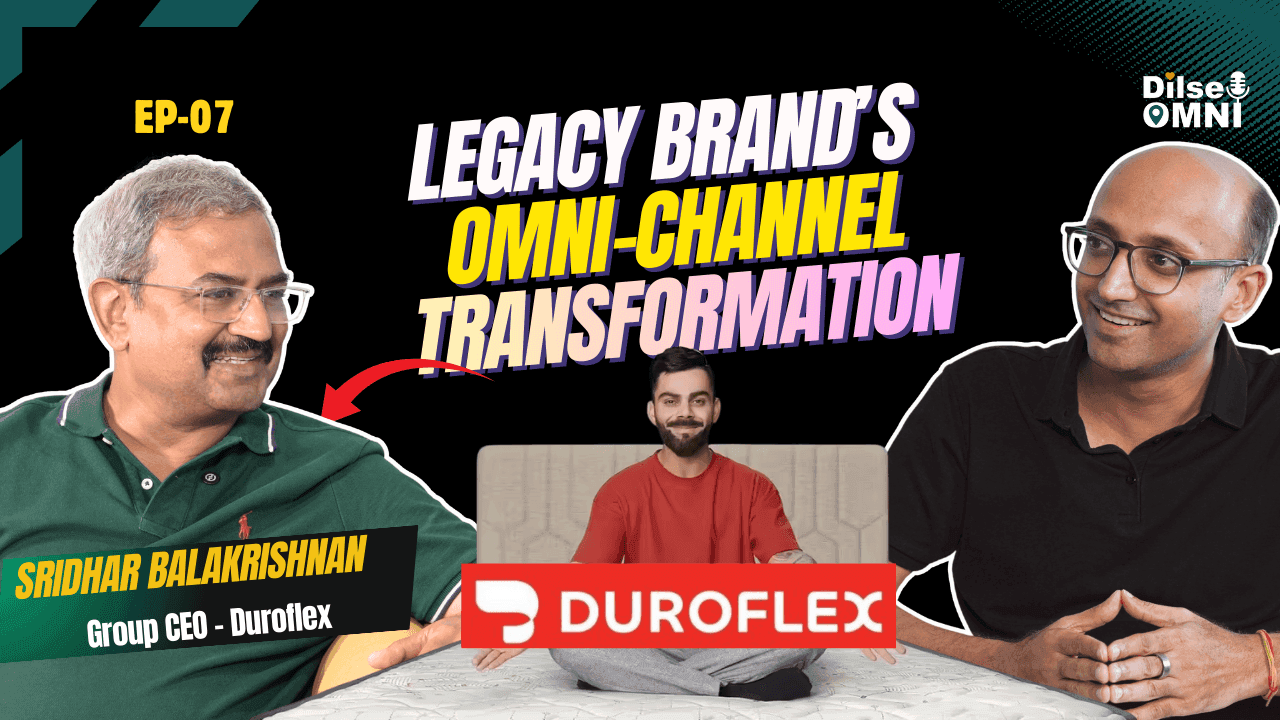
Legacy Brand's Omnichannel Transformation | Sridhar Balakrishnan X Saurabh Agrawal | DilSe Omni Talks: EP7
Saurabh sits down with Sridhar, Group CEO - Duroflex, to understand how a legacy brands can build omnichannel with patience and purpose.
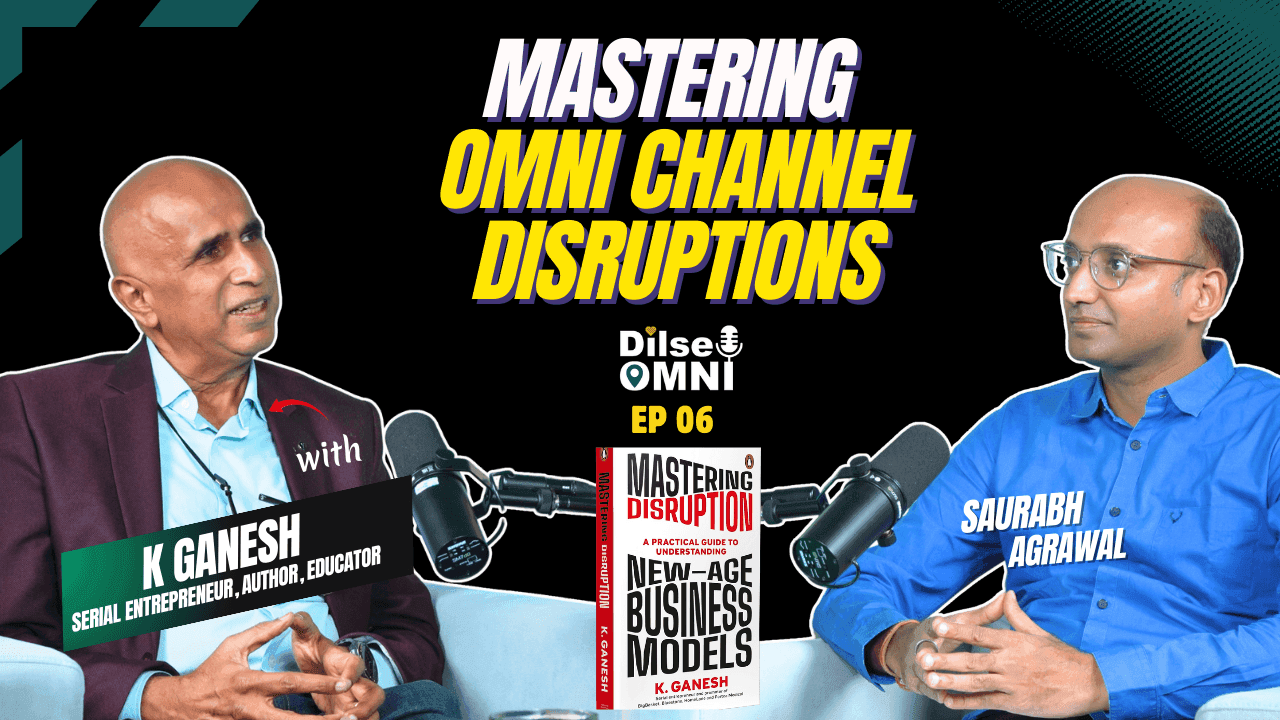
Mastering Omnichannel Disruptions | K Ganesh X Saurabh Agrawal | DilSe Omni Talks: EP6
Saurabh sits down with K Ganesh, a serial entrepreneur, author, and one of India’s most respected startup builders, to unpack what really drives sustainable growth in modern businesses.
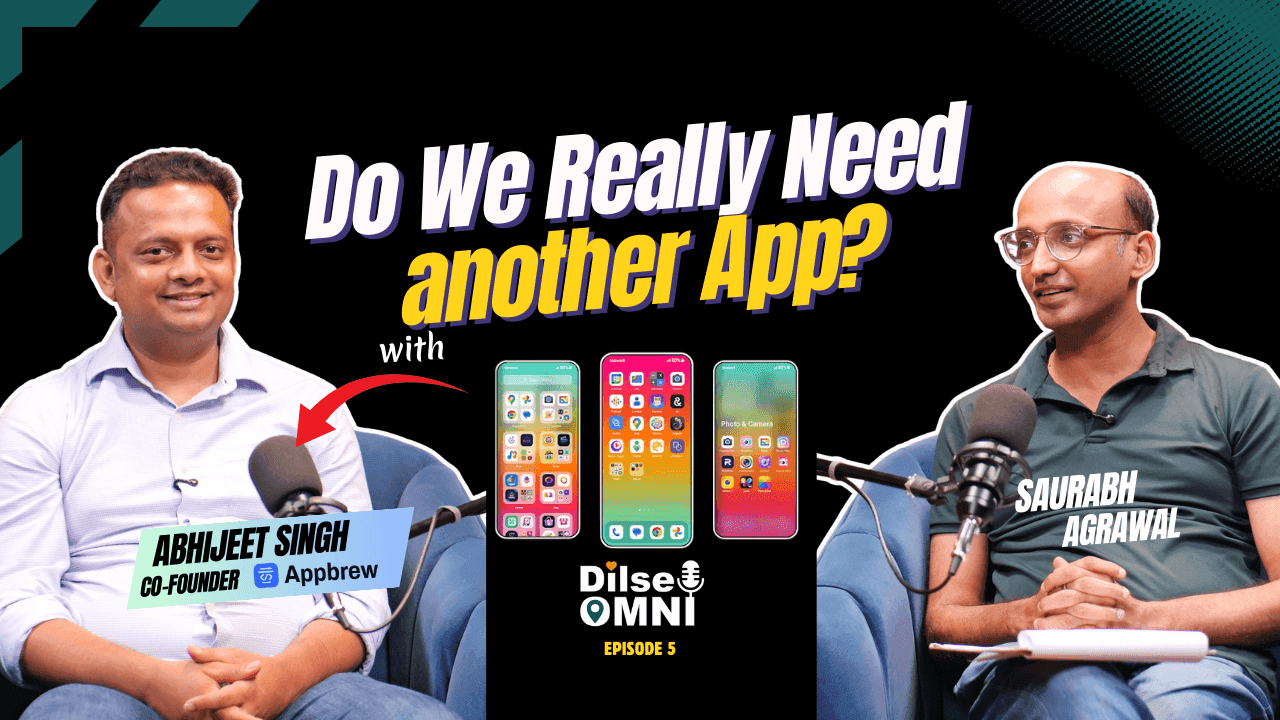
App Strategy for Omnichannel Brands | Abhijeet Singh X Saurabh Agrawal | DilSe Omni Talks: EP5
Saurabh and Abhijeet unpack when brands should actually invest in a mobile app, and why it’s not the right move for every category on day one.
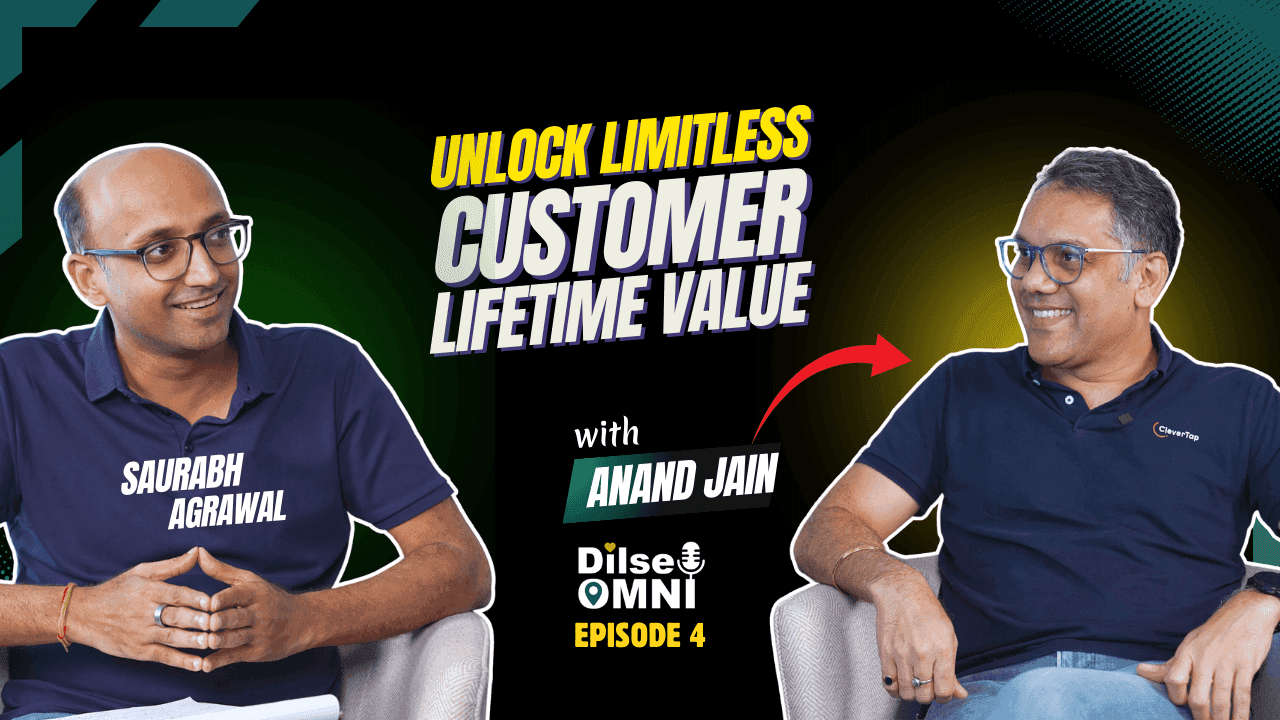
Unlock Limitless Customer Lifetime Value | Anand Jain X Saurabh Agrawal | DilSe Omni Talks: EP4
Saurabh and Anand talk about resilience, first-principles thinking, and how AI-driven personalization is reshaping retention.
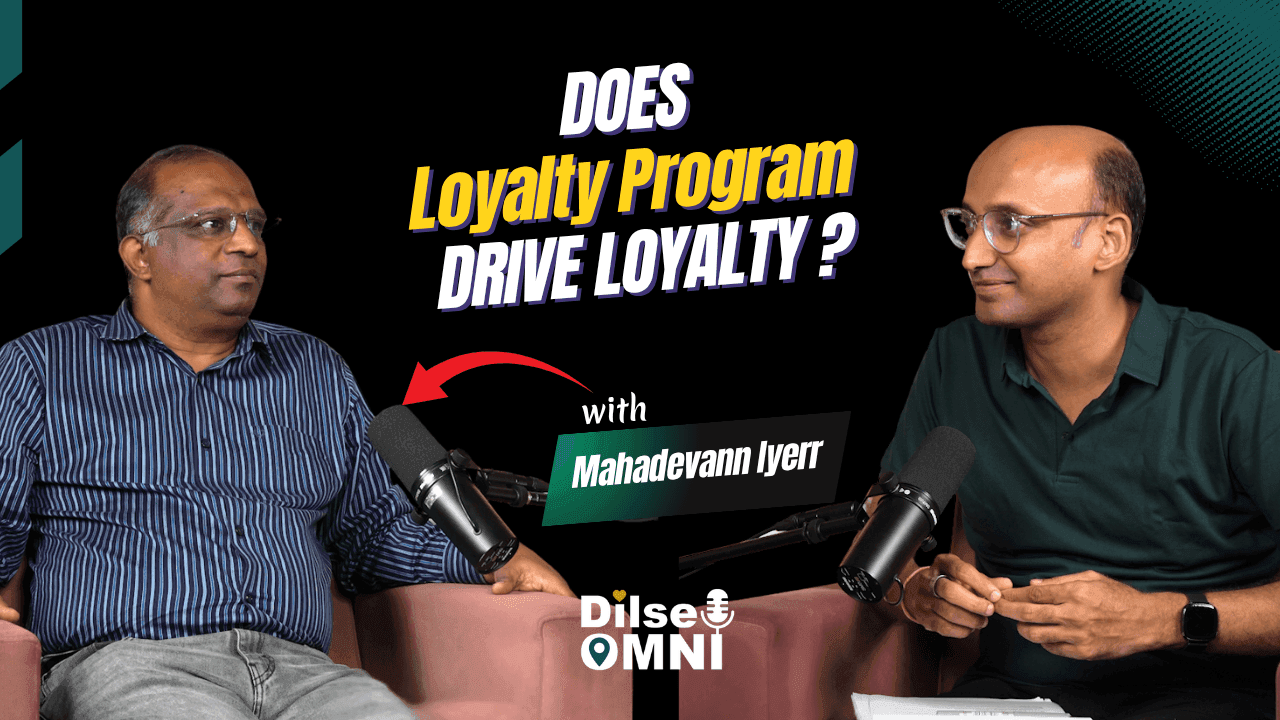
Does Loyalty Program really drives Loyalty | Mahadevann Iyerr x Saurabh Agrawal | DilSe Omni Talks: EP3
Saurabh and Maha talk about how loyalty programs don't create loyalty. Experience creates loyalty. Programs amplify it.
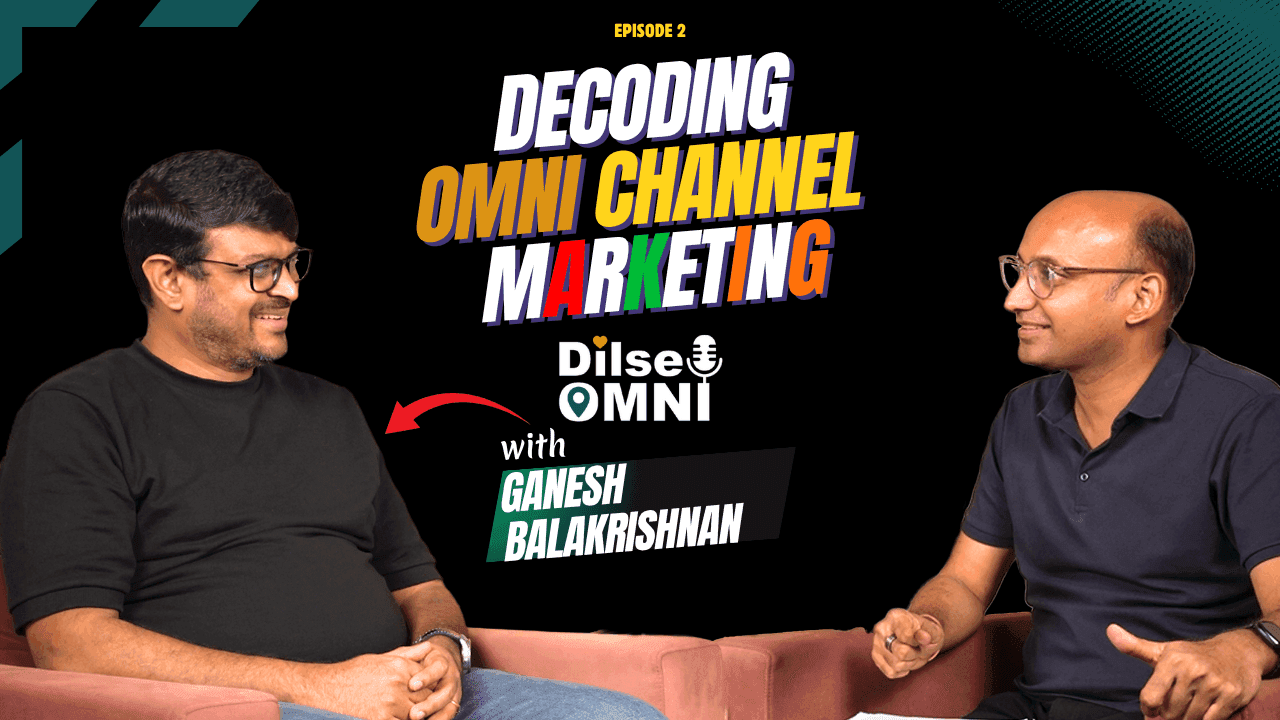
Decoding Omnichannel Marketing | Ganesh Balakrishnan x Saurabh Agrawal | DilSe Omni Talks: EP2
Saurabh and Ganesh decode modern marketing – blending data, retention, and omnichannel strategy to build human, memorable brand experiences.
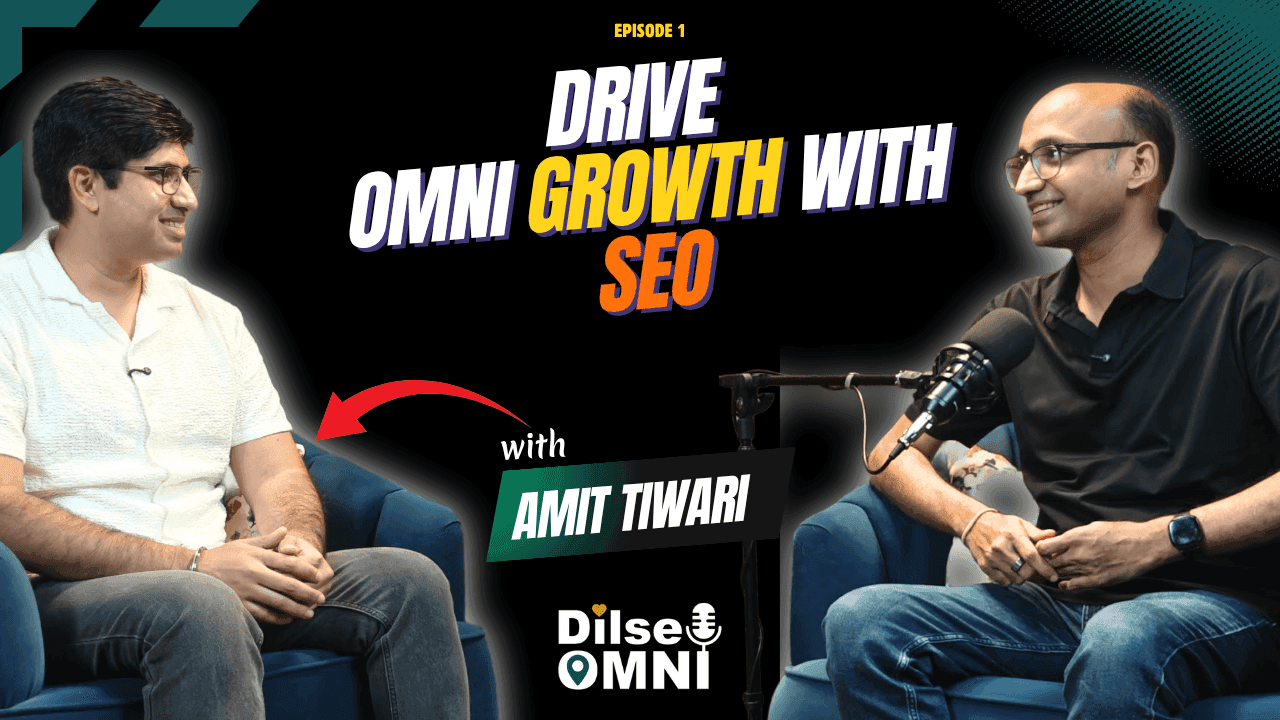
Top 5 SEO Strategies for Omni Success with AI | Amit Tiwari x Saurabh Agrawal | DilSe Omni Talks: EP1
Discover how AI, data, and Omnichannel thinking are redefining SEO as the heartbeat of modern brands—online, offline, and everywhere in between.
Latest Episodes
How are Drones Disrupting the Logistics | Ankit Kumar X Saurabh Agrawal | Dilse Omni Talks: E12
In this episode, Ankit, who is leading Skye Air Mobility tells about the transform logistics with efficient, reliable, and sustainable drone delivery networks.
Retail Store Tech & AI Strategy | Suren Gounder X Saurabh Agrawal | Dilse Omni Talks: EP11
In this episode, Suren breaks down how offline stores are evolving from gut-feel operations into data-driven businesses — and why the brands that embrace store tech today will be impossible to catch tomorrow.
Decoding Conversational Commerce
Sonakshi Nathani — YC and Sequoia-backed founder who scaled Manifest AI to $4.5M ARR in two years without marketing spend — joins Saurabh to decode how AI chatbots are reshaping modern commerce.
Decoding Martech Playbook | Dr. Ashish Bajaj X Saurabh Agrawal | Dilse Omni Talks: EP9
This episode breaks down why Martech is no longer optional but essential for brands that want to move from fragmented campaigns to connected, data-driven growth.
Omnichannel Growth with Social Media | Sasha Chhetri X Saurabh Agrawal | Dilse Omni Talks: EP8
Saurabh sits down with Sasha, to unpack how social media actually drives real business outcomes when you stop chasing vanity metrics and start designing for omnichannel growth.
Legacy Brand's Omnichannel Transformation | Sridhar Balakrishnan X Saurabh Agrawal | DilSe Omni Talks: EP7
Saurabh sits down with Sridhar, Group CEO - Duroflex, to understand how a legacy brands can build omnichannel with patience and purpose.
Mastering Omnichannel Disruptions | K Ganesh X Saurabh Agrawal | DilSe Omni Talks: EP6
Saurabh sits down with K Ganesh, a serial entrepreneur, author, and one of India’s most respected startup builders, to unpack what really drives sustainable growth in modern businesses.
App Strategy for Omnichannel Brands | Abhijeet Singh X Saurabh Agrawal | DilSe Omni Talks: EP5
Saurabh and Abhijeet unpack when brands should actually invest in a mobile app, and why it’s not the right move for every category on day one.
Unlock Limitless Customer Lifetime Value | Anand Jain X Saurabh Agrawal | DilSe Omni Talks: EP4
Saurabh and Anand talk about resilience, first-principles thinking, and how AI-driven personalization is reshaping retention.
Does Loyalty Program really drives Loyalty | Mahadevann Iyerr x Saurabh Agrawal | DilSe Omni Talks: EP3
Saurabh and Maha talk about how loyalty programs don't create loyalty. Experience creates loyalty. Programs amplify it.
Decoding Omnichannel Marketing | Ganesh Balakrishnan x Saurabh Agrawal | DilSe Omni Talks: EP2
Saurabh and Ganesh decode modern marketing – blending data, retention, and omnichannel strategy to build human, memorable brand experiences.
Top 5 SEO Strategies for Omni Success with AI | Amit Tiwari x Saurabh Agrawal | DilSe Omni Talks: EP1
Discover how AI, data, and Omnichannel thinking are redefining SEO as the heartbeat of modern brands—online, offline, and everywhere in between.
Latest Episodes
How are Drones Disrupting the Logistics | Ankit Kumar X Saurabh Agrawal | Dilse Omni Talks: E12
In this episode, Ankit, who is leading Skye Air Mobility tells about the transform logistics with efficient, reliable, and sustainable drone delivery networks.
Retail Store Tech & AI Strategy | Suren Gounder X Saurabh Agrawal | Dilse Omni Talks: EP11
In this episode, Suren breaks down how offline stores are evolving from gut-feel operations into data-driven businesses — and why the brands that embrace store tech today will be impossible to catch tomorrow.
Decoding Conversational Commerce
Sonakshi Nathani — YC and Sequoia-backed founder who scaled Manifest AI to $4.5M ARR in two years without marketing spend — joins Saurabh to decode how AI chatbots are reshaping modern commerce.
Decoding Martech Playbook | Dr. Ashish Bajaj X Saurabh Agrawal | Dilse Omni Talks: EP9
This episode breaks down why Martech is no longer optional but essential for brands that want to move from fragmented campaigns to connected, data-driven growth.
Omnichannel Growth with Social Media | Sasha Chhetri X Saurabh Agrawal | Dilse Omni Talks: EP8
Saurabh sits down with Sasha, to unpack how social media actually drives real business outcomes when you stop chasing vanity metrics and start designing for omnichannel growth.
Legacy Brand's Omnichannel Transformation | Sridhar Balakrishnan X Saurabh Agrawal | DilSe Omni Talks: EP7
Saurabh sits down with Sridhar, Group CEO - Duroflex, to understand how a legacy brands can build omnichannel with patience and purpose.
Mastering Omnichannel Disruptions | K Ganesh X Saurabh Agrawal | DilSe Omni Talks: EP6
Saurabh sits down with K Ganesh, a serial entrepreneur, author, and one of India’s most respected startup builders, to unpack what really drives sustainable growth in modern businesses.
App Strategy for Omnichannel Brands | Abhijeet Singh X Saurabh Agrawal | DilSe Omni Talks: EP5
Saurabh and Abhijeet unpack when brands should actually invest in a mobile app, and why it’s not the right move for every category on day one.
Unlock Limitless Customer Lifetime Value | Anand Jain X Saurabh Agrawal | DilSe Omni Talks: EP4
Saurabh and Anand talk about resilience, first-principles thinking, and how AI-driven personalization is reshaping retention.
Does Loyalty Program really drives Loyalty | Mahadevann Iyerr x Saurabh Agrawal | DilSe Omni Talks: EP3
Saurabh and Maha talk about how loyalty programs don't create loyalty. Experience creates loyalty. Programs amplify it.
Decoding Omnichannel Marketing | Ganesh Balakrishnan x Saurabh Agrawal | DilSe Omni Talks: EP2
Saurabh and Ganesh decode modern marketing – blending data, retention, and omnichannel strategy to build human, memorable brand experiences.
Top 5 SEO Strategies for Omni Success with AI | Amit Tiwari x Saurabh Agrawal | DilSe Omni Talks: EP1
Discover how AI, data, and Omnichannel thinking are redefining SEO as the heartbeat of modern brands—online, offline, and everywhere in between.
Subscribe on your favourite platform



Subscribe on your favourite platform



Subscribe on your favourite platform

Subscribe for
insider insights
Get monthly newsletter right in your inbox
Subscribe
for insider insights
Get monthly newsletter right in your inbox