Why Does This Episode Matter?
Why Does This Episode Matter?
Why Does This Episode Matter?
Over the last decade, brands across industries, healthcare, retail, jewellery, home furniture, fintech have faced a similar challenge.
Customers have changed.
They no longer move in straight lines. They move across screens, platforms, devices, and even physical stores before making a decision. A customer might discover a brand on Instagram, search for it later on Google, watch a YouTube review, ignore emails, compare prices during a sale, and then finally walk into a store to buy.
This is not a “digital-first” world anymore.
It is an omnichannel world.
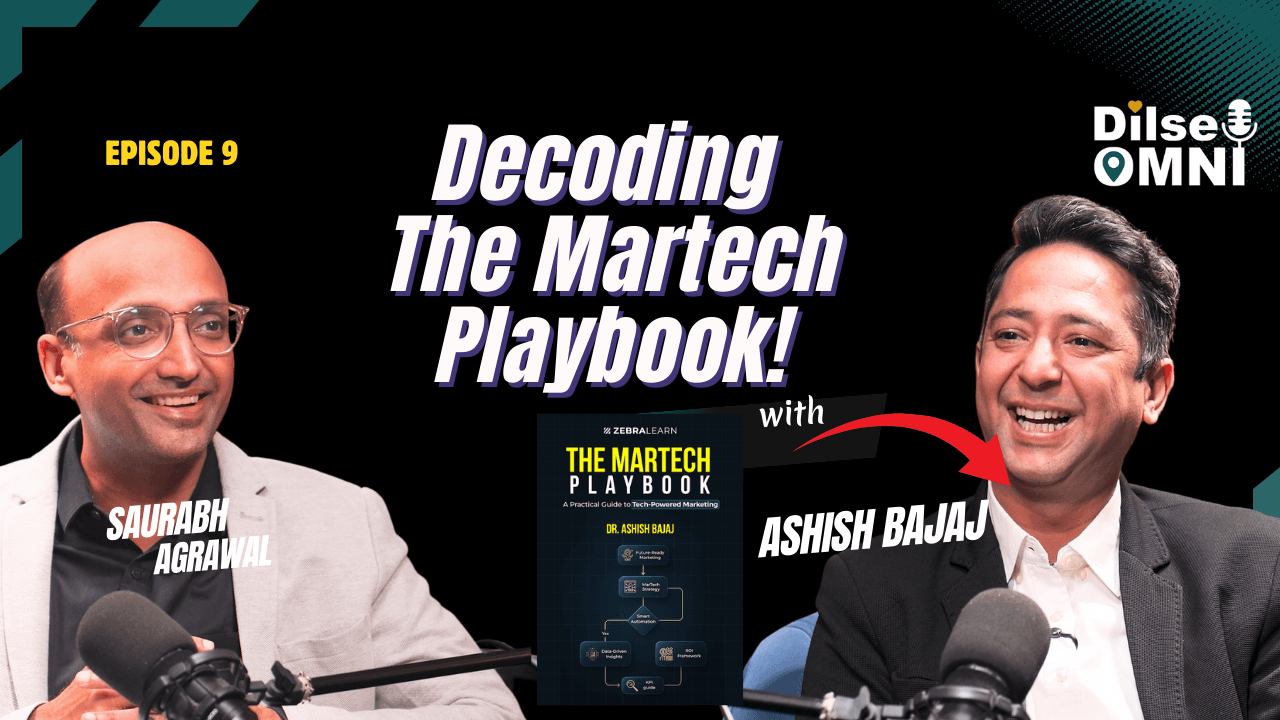
This episode of DilSe Omni will decode "The Martech Playbook" with Dr. Ashish Bajaj, and how Martech and marketing work together in healthcare, and why modern growth is no longer about isolated campaigns but about building connected, omnichannel systems that truly understand the customer journey.
Over the last decade, brands across industries, healthcare, retail, jewellery, home furniture, fintech have faced a similar challenge.
Customers have changed.
They no longer move in straight lines. They move across screens, platforms, devices, and even physical stores before making a decision.
This is not a “digital-first” world anymore.
It is an omnichannel world.
This episode of DilSe Omni will decode "The Martech Playbook" with Dr. Ashish Bajaj, and how Martech and marketing work together in healthcare, and why modern growth is no longer about isolated campaigns but about building connected, omnichannel systems that truly understand the customer journey.
Over the last decade, brands across industries, healthcare, retail, jewellery, home furniture, fintech have faced a similar challenge.
Customers have changed.
They no longer move in straight lines. They move across screens, platforms, devices, and even physical stores before making a decision. A customer might discover a brand on Instagram, search for it later on Google, watch a YouTube review, ignore emails, compare prices during a sale, and then finally walk into a store to buy.
This is not a “digital-first” world anymore.
It is an omnichannel world.
This episode of DilSe Omni will decode "The Martech Playbook" with Dr. Ashish Bajaj, and how Martech and marketing work together in healthcare, and why modern growth is no longer about isolated campaigns but about building connected, omnichannel systems that truly understand the customer journey.

Dr. Ashish Bajaj
Group CMO @ Narayana Health
Topic discussed
Topic discussed
In this episode of Dilse Omni Podcast Saurabh & Ashish breaks down why Martech is no longer optional but essential for brands that want to move from fragmented campaigns to connected, data-driven growth.
Nearly 73% of shoppers today interact with multiple touchpoints before purchasing. If a brand only understands one channel like paid ads or website traffic, it is missing most of the customer journey.
This is where Martech becomes critical.
For a long time, I was searching for a resource that explained this clearly.
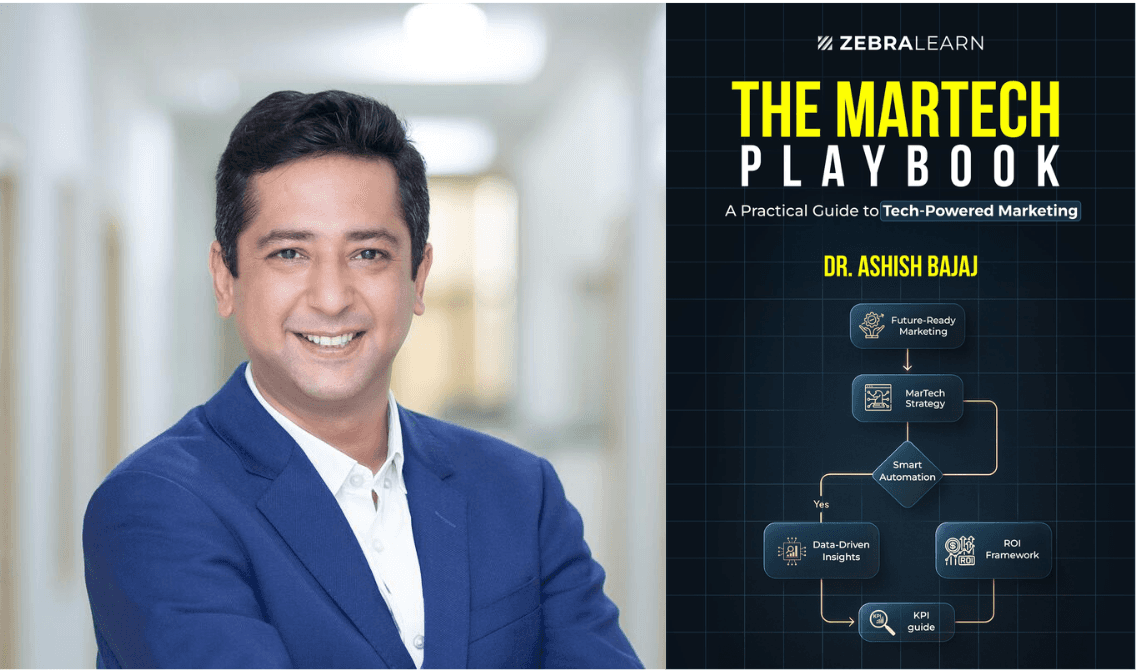
That’s when I came across The Martech Playbook by Dr. Ashish Bajaj.
Very few books in this space offer such direct clarity. It moves beyond tool fatigue and gets to the core idea:
Martech is simply where marketing and technology meet, so we can stop guessing and start knowing.
We recently had Dr. Ashish Bajaj, former Group Chief Marketing Officer at Narayana Health on the DilSe Omni podcast, and the conversation made these ideas even sharper for me.
In this episode of Dilse Omni Podcast, Saurabh & Ashish breaks down why Martech is no longer optional but essential for brands that want to move from fragmented campaigns to connected, data-driven growth.
Nearly 73% of shoppers today interact with multiple touchpoints before purchasing. If a brand only understands one channel like paid ads or website traffic, it is missing most of the customer journey.
This is where Martech becomes critical.
For a long time, I was searching for a resource that explained this clearly.
That’s when I came across The Martech Playbook by Dr. Ashish Bajaj.
Very few books in this space offer such direct clarity. It moves beyond tool fatigue and gets to the core idea:
Martech is simply where marketing and technology meet, so we can stop guessing and start knowing.
We recently had Dr. Ashish Bajaj, former Group Chief Marketing Officer at Narayana Health on the DilSe Omni podcast, and the conversation made these ideas even sharper for me.
In this episode of Dilse Omni Podcast Saurabh & Ashish breaks down why Martech is no longer optional but essential for brands that want to move from fragmented campaigns to connected, data-driven growth.
Nearly 73% of shoppers today interact with multiple touchpoints before purchasing. If a brand only understands one channel like paid ads or website traffic, it is missing most of the customer journey.
This is where Martech becomes critical.
For a long time, I was searching for a resource that explained this clearly.
That’s when I came across The Martech Playbook by Dr. Ashish Bajaj.
Very few books in this space offer such direct clarity. It moves beyond tool fatigue and gets to the core idea:
Martech is simply where marketing and technology meet, so we can stop guessing and start knowing.
We recently had Dr. Ashish Bajaj, former Group Chief Marketing Officer at Narayana Health on the DilSe Omni podcast, and the conversation made these ideas even sharper for me.
Why Martech Matters for Modern Brands?
Today, marketing is not just about running campaigns anymore.
It is a moving system where channels, data, and customer experience have to work together in real time.
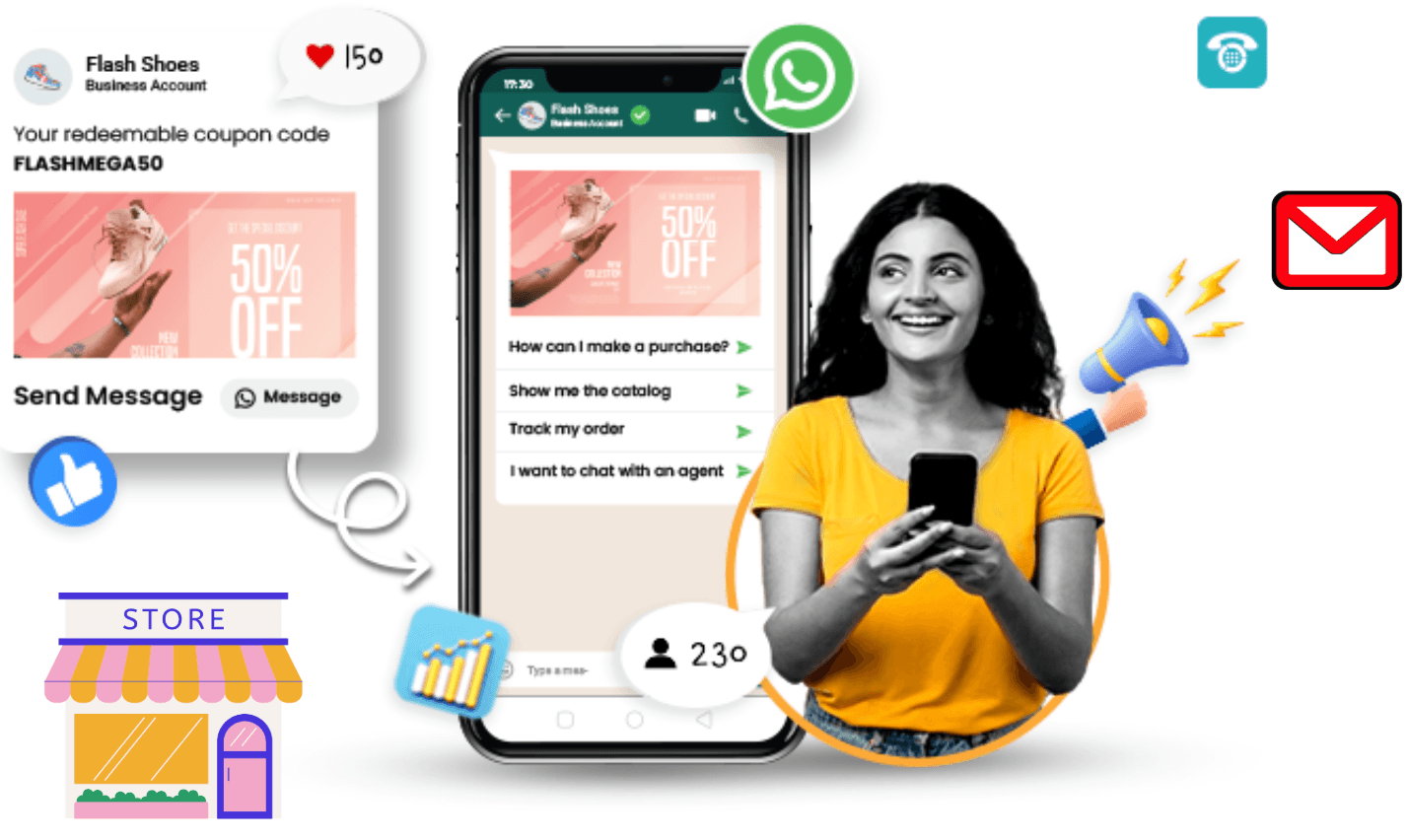
One where ads, content, apps, physical stores, WhatsApp messages, emails, call centres, and offline teams are all supposed to behave like they’re part of the same brand.
And honestly, most of the time, they don’t.
A fast-growing D2C brand struggles with the same thing as a decades-old traditional business, nothing talks to each other. And customers notice it instantly.
When systems start talking to each other, the experience changes completely. The brand stops feeling pushy and starts feeling thoughtful. Messages arrive at the right time. Content feels relevant. Communication feels helpful instead of noisy.
Brands that get omnichannel right grow faster. On average, they see about 9.5% annual revenue growth, compared to 3.4% for brands that still run channels in silos.
That’s the quiet magic of good Martech. Not more tools. Not louder campaigns. Just a brand that finally starts behaving like it actually knows the customer.
Why Martech Matters for Modern Brands?
Today, marketing is not just about running campaigns anymore.
It is a moving system where channels, data, and customer experience have to work together in real time.
One where ads, content, apps, physical stores, WhatsApp messages, emails, call centres, and offline teams are all supposed to behave like they’re part of the same brand.
And honestly, most of the time, they don’t.
A fast-growing D2C brand struggles with the same thing as a decades-old traditional business, nothing talks to each other. And customers notice it instantly.
When systems start talking to each other, the experience changes completely. The brand stops feeling pushy and starts feeling thoughtful. Messages arrive at the right time. Content feels relevant. Communication feels helpful instead of noisy.
Brands that get omnichannel right grow faster. On average, they see about 9.5% annual revenue growth, compared to 3.4% for brands that still run channels in silos.
That’s the quiet magic of good Martech. Not more tools. Not louder campaigns. Just a brand that finally starts behaving like it actually knows the customer.
Why Martech Matters for Modern Brands?
Today, marketing is not just about running campaigns anymore.
It is a moving system where channels, data, and customer experience have to work together in real time.
One where ads, content, apps, physical stores, WhatsApp messages, emails, call centres, and offline teams are all supposed to behave like they’re part of the same brand.
And honestly, most of the time, they don’t.
A fast-growing D2C brand struggles with the same thing as a decades-old traditional business, nothing talks to each other. And customers notice it instantly.
When systems start talking to each other, the experience changes completely. The brand stops feeling pushy and starts feeling thoughtful. Messages arrive at the right time. Content feels relevant. Communication feels helpful instead of noisy.
Brands that get omnichannel right grow faster. On average, they see about 9.5% annual revenue growth, compared to 3.4% for brands that still run channels in silos.
That’s the quiet magic of good Martech. Not more tools. Not louder campaigns. Just a brand that finally starts behaving like it actually knows the customer.
The Three Big Waves of Marketing
The Three Big Waves of Marketing
In this podcast, Ashish explained marketing’s evolution through three distinct waves. It’s a clear, practical lens that helps make sense of how marketing has changed, and where it’s headed next.
The first wave was search. This was the high-intent era. People typed exactly what they wanted into a search bar, and your job was to show up at the right moment. Demand already existed. You just had to capture it.
In this podcast, Ashish explained marketing’s evolution through three distinct waves. It’s a clear, practical lens that helps make sense of how marketing has changed, and where it’s headed next.
The first wave was search. This was the high-intent era. People typed exactly what they wanted into a search bar, and your job was to show up at the right moment. Demand already existed. You just had to capture it.

Then came social. This changed everything. Social didn’t just capture demand, it started creating it. Today, out of a global population of about 8.3 billion, more than 5.6 billion people are active on social media, spending close to 3.5 hours a day scrolling, watching, and discovering.
So for most brands, social is no longer “just another channel.” It’s the front door to the entire customer journey.
Then came social. This changed everything. Social didn’t just capture demand, it started creating it. Today, out of a global population of about 8.3 billion, more than 5.6 billion people are active on social media, spending close to 3.5 hours a day scrolling, watching, and discovering.
So for most brands, social is no longer “just another channel.” It’s the front door to the entire customer journey.
Then came social. This changed everything. Social didn’t just capture demand, it started creating it. Today, out of a global population of about 8.3 billion, more than 5.6 billion people are active on social media, spending close to 3.5 hours a day scrolling, watching, and discovering.
So for most brands, social is no longer “just another channel.” It’s the front door to the entire customer journey.
Dr. Ashish Bajaj
Group CMO @ Narayana Health
And now we’re in the third wave: AI.
“AI has already arrived, it’s just unevenly distributed.”

And now we’re in the third wave: AI. “AI has already arrived, it’s just unevenly distributed.”
This one is moving much faster than the previous two. While search and social took five to eight years to mature, the AI shift is expected to play out in just a couple of years. It’s already changing how we target, create, optimise, and even ask questions.
If search was “show up when they’re looking” and social was “show up where they hang out,” AI is about “show up with exactly what they need, sometimes before they even know how to ask.”
Martech is the foundation that makes all three waves work together instead of fighting each other.
And now we’re in the third wave: AI. “AI has already arrived, it’s just unevenly distributed.”
This one is moving much faster than the previous two. It’s already changing how we target, create, optimise, and even ask questions.
If search was “show up when they’re looking” and social was “show up where they hang out,” AI is about “show up with exactly what they need, sometimes before they even know how to ask.”
Martech is the foundation that makes all three waves work together instead of fighting each other.
And now we’re in the third wave: AI. “AI has already arrived, it’s just unevenly distributed.”
This one is moving much faster than the previous two. While search and social took five to eight years to mature, the AI shift is expected to play out in just a couple of years. It’s already changing how we target, create, optimise, and even ask questions.
If search was “show up when they’re looking” and social was “show up where they hang out,” AI is about “show up with exactly what they need, sometimes before they even know how to ask.”
Martech is the foundation that makes all three waves work together instead of fighting each other.
Rethinking the 4Ps: Marketing vs Martech
Rethinking the 4Ps: Marketing vs Martech
One of the important parts of the conversation is how Ashish reframed the classic 4Ps of marketing into a Martech-first lens:
Traditional marketing talks about:
Product
Place
Price
Promotion
Rethinking the 4Ps: Marketing vs Martech
One of the important parts of the conversation is how Ashish reframed the classic 4Ps of marketing into a Martech-first lens:
Traditional marketing talks about:
Product
Place
Price
Promotion
One of the important parts of the conversation is how Ashish reframed the classic 4Ps of marketing into a Martech-first lens:
Traditional marketing talks about:
Product
Place
Price
Promotion
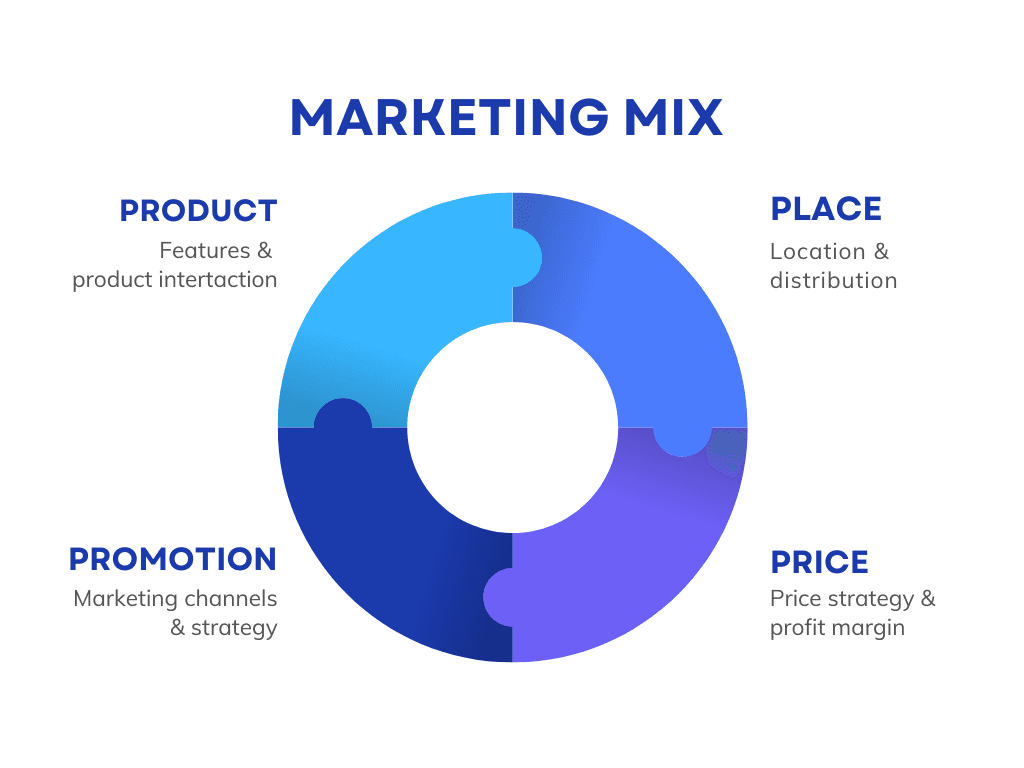
Ashish reframes them for a Martech world:
Product → Personalized Product
No more one-size-fits-all. It’s modular, data-driven, contextual based on real behavior and data.
Place → Platforms
Your “place” is no longer just a store or website; it’s your app, WhatsApp, email, social, offline branches, call centers, everywhere your customer interacts.
Price → Perceived Value
It’s about trust, timing, and experience. Value is no longer what the marketer sets, it’s what the consumer perceives. The real shift is moving from a brand mindset to a customer mindset.
Promotion → Product Education
Promotion is shifting from “let me sell you” to “let me teach you how to get the most out of what you’ve bought or are about to buy.” That’s especially true in categories like healthcare, fintech, and SaaS.
That shift alone changes how you think about growth.
Martech is the engine that lets you actually execute this new 4P model at scale, by collecting, connecting, and activating data across all those platforms.
Ashish reframes them for a Martech world:
Product → Personalized Product
No more one-size-fits-all. It’s modular, data-driven, contextual based on real behavior and data.
Place → Platforms
Your “place” is no longer just a store or website; it’s your app, WhatsApp, email, social, offline branches, call centers, everywhere your customer interacts.
Price → Perceived Value
It’s about trust, timing, and experience. Value is no longer what the marketer sets, it’s what the consumer perceives. The real shift is moving from a brand mindset to a customer mindset.
Promotion → Product Education
Promotion is shifting from “let me sell you” to “let me teach you how to get the most out of what you’ve bought or are about to buy.” That’s especially true in categories like healthcare, fintech, and SaaS.
That shift alone changes how you think about growth.
Martech is the engine that lets you actually execute this new 4P model at scale, by collecting, connecting, and activating data across all those platforms.
Ashish reframes them for a Martech world:
Product → Personalized Product
No more one-size-fits-all. It’s modular, data-driven, contextual based on real behavior and data.
Place → Platforms
Your “place” is no longer just a store or website; it’s your app, WhatsApp, email, social, offline branches, call centers, everywhere your customer interacts.
Price → Perceived Value
It’s about trust, timing, and experience. Value is no longer what the marketer sets, it’s what the consumer perceives. The real shift is moving from a brand mindset to a customer mindset.
Promotion → Product Education
Promotion is shifting from “let me sell you” to “let me teach you how to get the most out of what you’ve bought or are about to buy.” That’s especially true in categories like healthcare, fintech, and SaaS.
That shift alone changes how you think about growth.
Martech is the engine that lets you actually execute this new 4P model at scale, by collecting, connecting, and activating data across all those platforms.
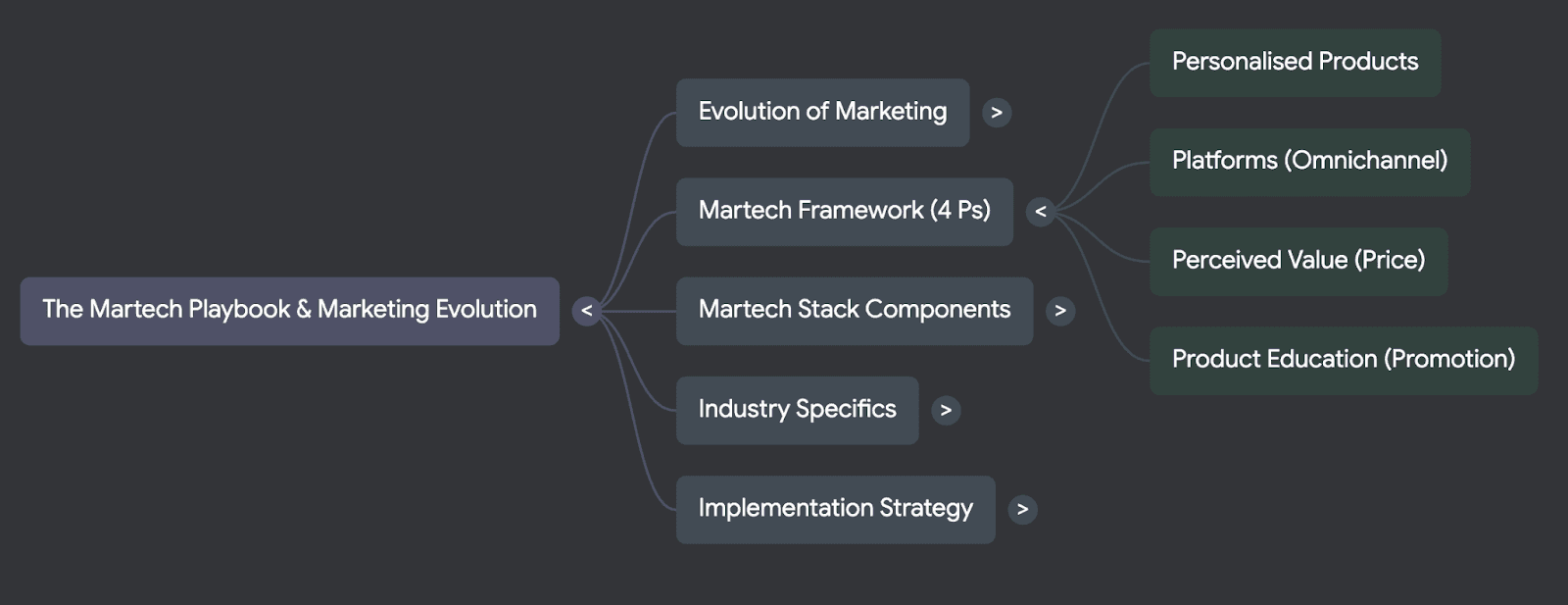
Business Value After Martech Implementation
Business Value After Martech Implementation
Martech should be treated as a cost of doing business, but its value must show up in outcomes, not dashboards. The simplest way to judge this is by asking a few clear questions:
Did conversions improve across the funnel?
Did repeat purchases or buying frequency increase with the same customers?
Did the share of wallet grow over time?
Did engagement improve once journeys became more personalised?
Did experience scores like NPS move in the right direction?
If Martech can move these levers, it stops being a liability and becomes a quiet, compounding business asset.
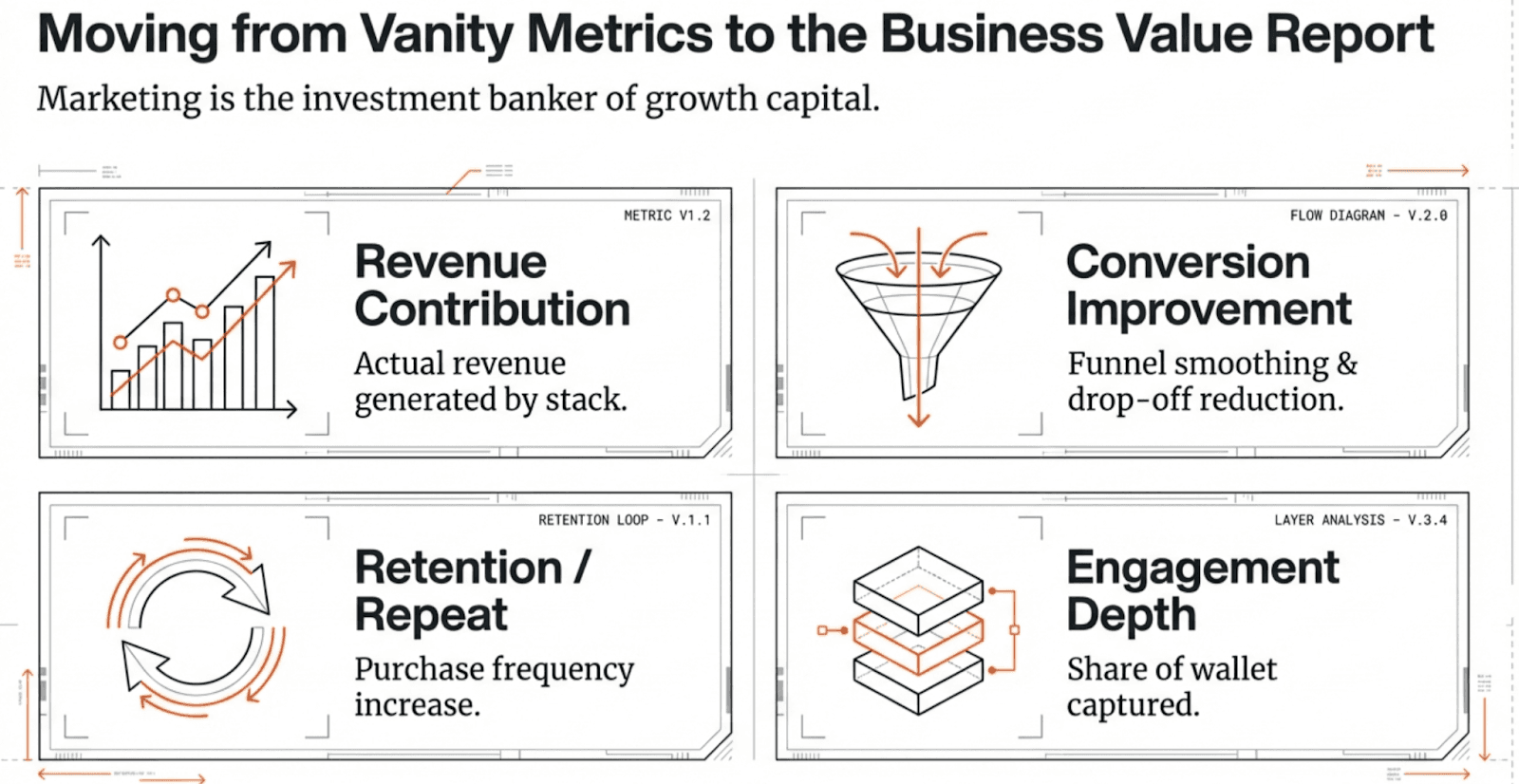
Where Does This Leave Brands Today?
If you’re a brand, Martech is no longer a side project or a vanity layer. It’s how you:
Move from channel silos to true omnichannel journeys.
Turn first-party data into something meaningful
Justify your budgets with real business value, not just impressions
Build careers and teams that are future-ready, not stuck in 2010
Most importantly, it’s how you show up for your customers: consistently, intelligently, and humanly, no matter which screen, store, or stage of life they’re in. And that’s the real promise (and pressure) of Martech today.
The Martech Playbook offers a clear, structured framework for understanding this transformation. For leaders, marketers, founders, and growth teams navigating omnichannel complexity, it serves as both a strategic guide and an operating manual.
In a world that feels increasingly fragmented, Martech, if done right can bring clarity.
And clarity is what modern brands need most.
Careers in Martech
If you’re in marketing or growth, this part is especially relevant. The role of a brand manager is quietly but radically changing.
Today, you are expected to understand tools, journeys, funnels, and data, not as a “tech person,” but as someone who can translate these into growth.
Three career shifts they highlight:
Brand managers
Analytics
Martech & growth teams
Need to be full-stack generalists: comfortable with content, tools, and data.
Being a content creator yourself (even on one platform) is a superpower: you move faster, understand the funnel viscerally, and don’t just “preach” content, you build it.
This is why Martech is not really about buying tools. It’s about building understanding.
Business Value After Martech Implementation
Martech should be treated as a cost of doing business, but its value must show up in outcomes, not dashboards. The simplest way to judge this is by asking a few clear questions:
Did conversions improve across the funnel?
Did repeat purchases or buying frequency increase with the same customers?
Did the share of wallet grow over time?
Did engagement improve once journeys became more personalised?
Did experience scores like NPS move in the right direction?
If Martech can move these levers, it stops being a liability and becomes a quiet, compounding business asset.
Where Does This Leave Brands Today?
If you’re a brand, Martech is no longer a side project or a vanity layer. It’s how you:
Move from channel silos to true omnichannel journeys.
Turn first-party data into something meaningful
Justify your budgets with real business value, not just impressions
Build careers and teams that are future-ready, not stuck in 2010
Most importantly, it’s how you show up for your customers: consistently, intelligently, and humanly, no matter which screen, store, or stage of life they’re in. And that’s the real promise (and pressure) of Martech today.
The Martech Playbook offers a clear, structured framework for understanding this transformation. For leaders, marketers, founders, and growth teams navigating omnichannel complexity, it serves as both a strategic guide and an operating manual.
In a world that feels increasingly fragmented, Martech, if done right can bring clarity.
And clarity is what modern brands need most.
Where Does This Leave Brands Today?
If you’re a brand, Martech is no longer a side project or a vanity layer. It’s how you:
Move from channel silos to true omnichannel journeys.
Turn first-party data into something meaningful
Justify your budgets with real business value, not just impressions
Build careers and teams that are future-ready, not stuck in 2010
Most importantly, it’s how you show up for your customers: consistently, intelligently, and humanly, no matter which screen, store, or stage of life they’re in. And that’s the real promise (and pressure) of Martech today.
The Martech Playbook offers a clear, structured framework for understanding this transformation. For leaders, marketers, founders, and growth teams navigating omnichannel complexity, it serves as both a strategic guide and an operating manual.
In a world that feels increasingly fragmented, Martech, if done right can bring clarity.
And clarity is what modern brands need most.
The biggest takeaway from this episode?
The biggest takeaway from this episode?
Martech is not about tools; it’s about connecting data to truly understand the customer journey.
Martech is not about tools; it’s about connecting data to truly understand the customer journey.
Omnichannel success comes from making every touchpoint—online and offline—feel like one connected brand experience.
Omnichannel success comes from making every touchpoint—online and offline—feel like one connected brand experience.
If Martech doesn’t improve conversion, retention, and customer experience, it’s just a cost—not a growth engine.
If Martech doesn’t improve conversion, retention, and customer experience, it’s just a cost—not a growth engine.
This is just the beginning. If you’re ready to understand how AI and Omnichannel thinking work together, and want to build a loyalty program for your brand, feel free to reach out at <saurabh@daiom.in>.
This is just the beginning. If you’re ready to understand how AI and Omnichannel thinking work together, and want to build a loyalty program for your brand, feel free to reach out at <saurabh@daiom.in>.

Talks with Saurabh Agrawal
Talks with Saurabh Agrawal

Talks with Saurabh Agrawal
Latest Episodes
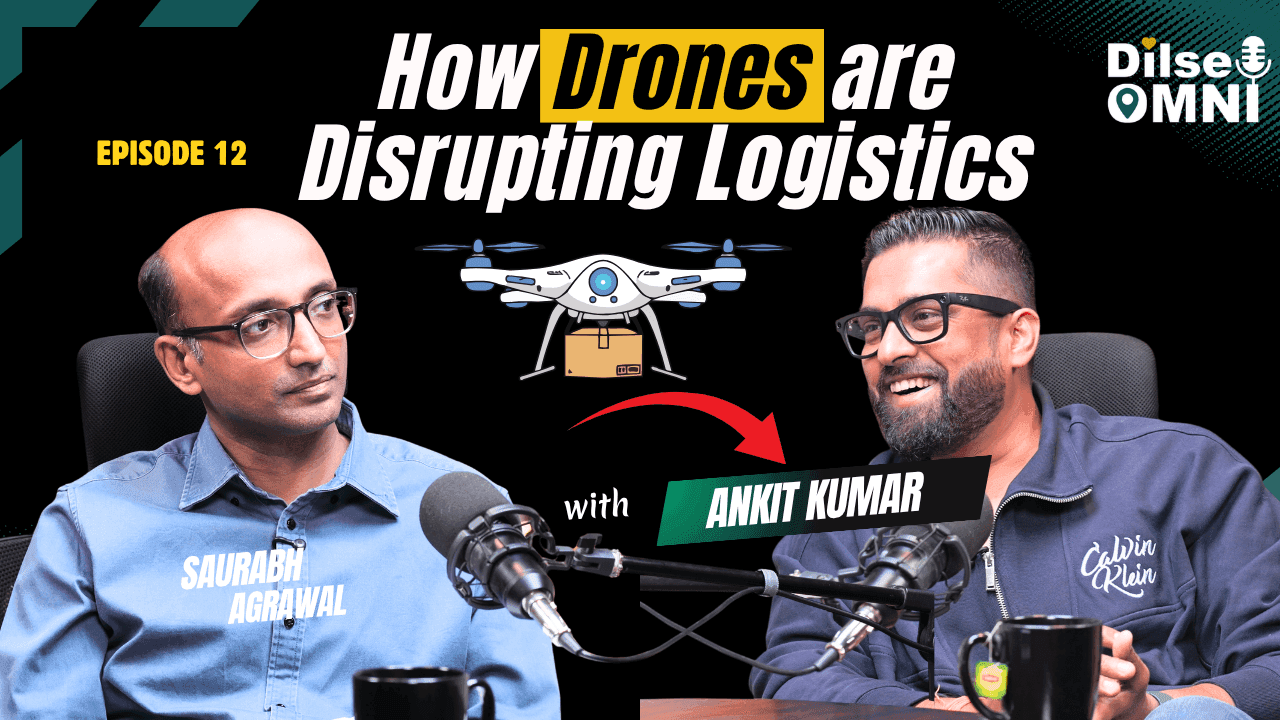
How are Drones Disrupting the Logistics | Ankit Kumar X Saurabh Agrawal | Dilse Omni Talks: E12
In this episode, Ankit, who is leading Skye Air Mobility tells about the transform logistics with efficient, reliable, and sustainable drone delivery networks.
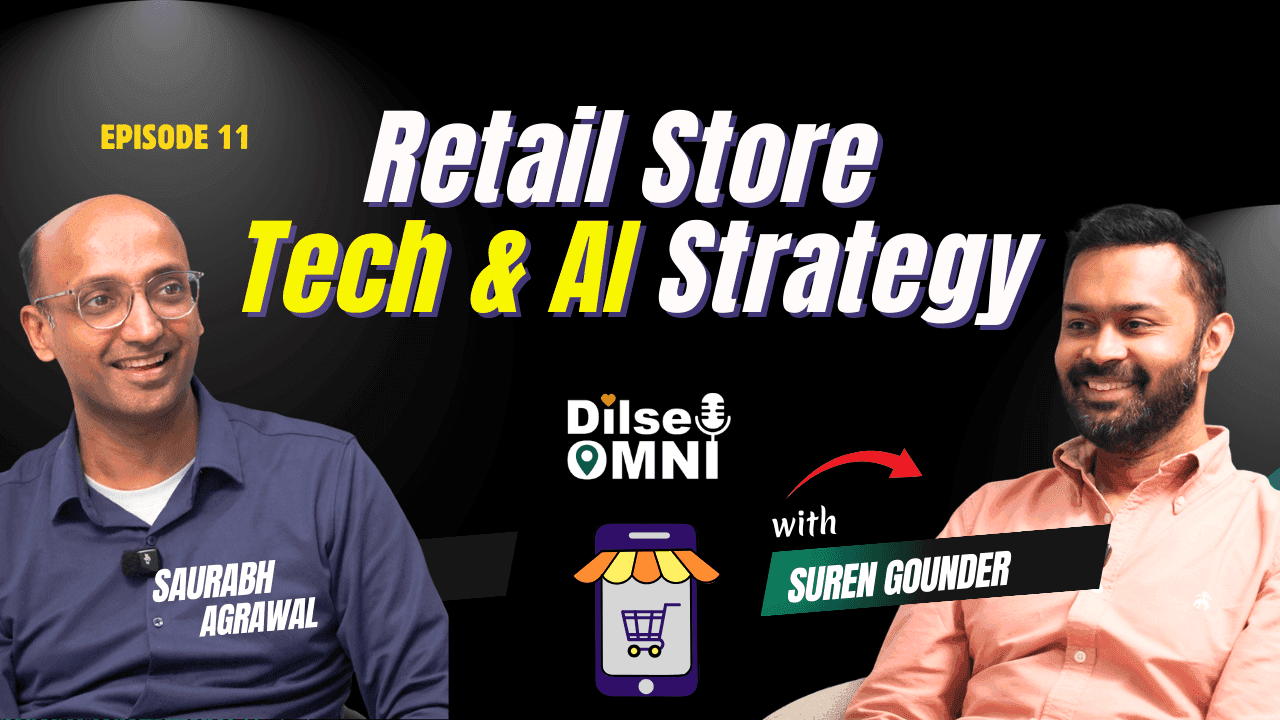
Retail Store Tech & AI Strategy | Suren Gounder X Saurabh Agrawal | Dilse Omni Talks: EP11
In this episode, Suren breaks down how offline stores are evolving from gut-feel operations into data-driven businesses — and why the brands that embrace store tech today will be impossible to catch tomorrow.
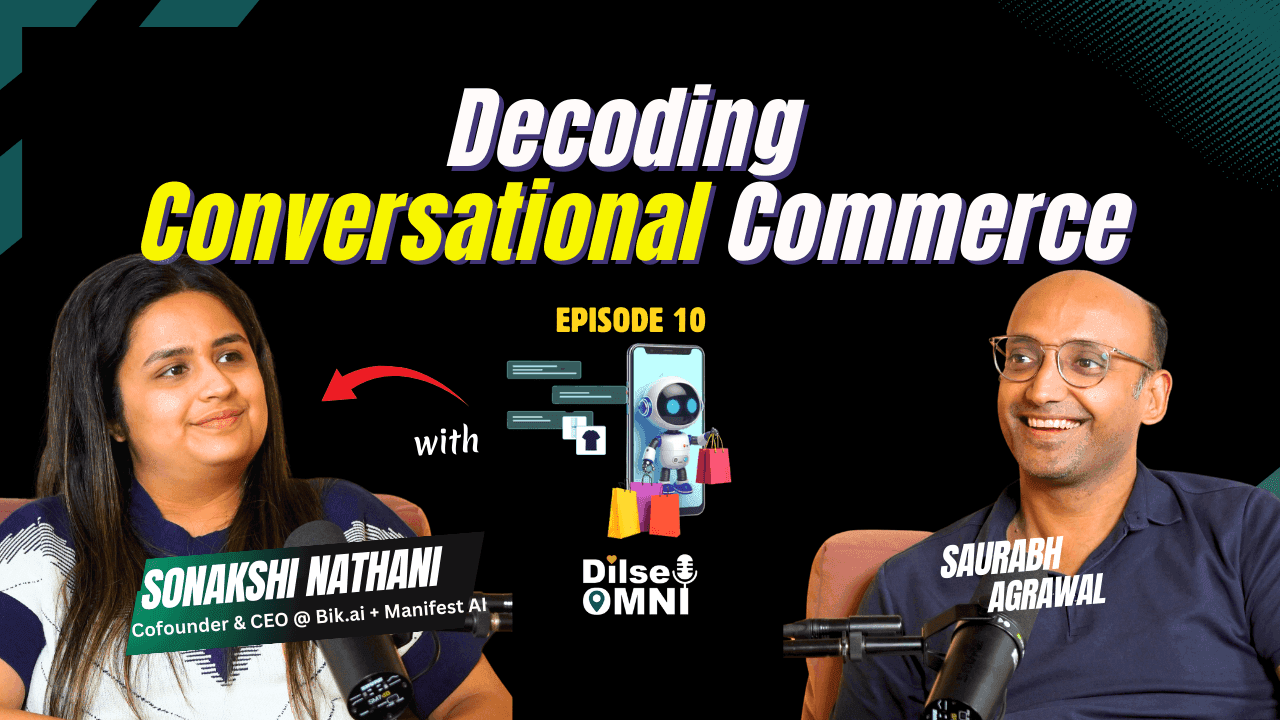
Decoding Conversational Commerce
Sonakshi Nathani — YC and Sequoia-backed founder who scaled Manifest AI to $4.5M ARR in two years without marketing spend — joins Saurabh to decode how AI chatbots are reshaping modern commerce.
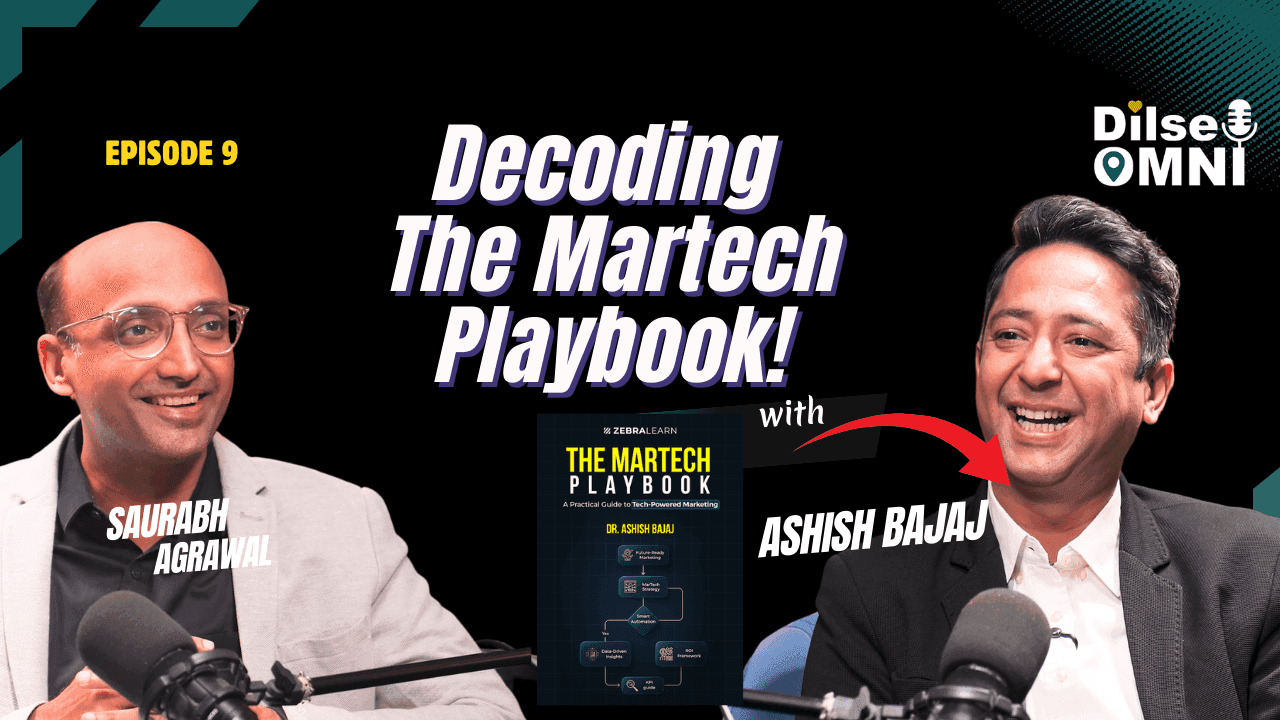
Decoding Martech Playbook | Dr. Ashish Bajaj X Saurabh Agrawal | Dilse Omni Talks: EP9
This episode breaks down why Martech is no longer optional but essential for brands that want to move from fragmented campaigns to connected, data-driven growth.
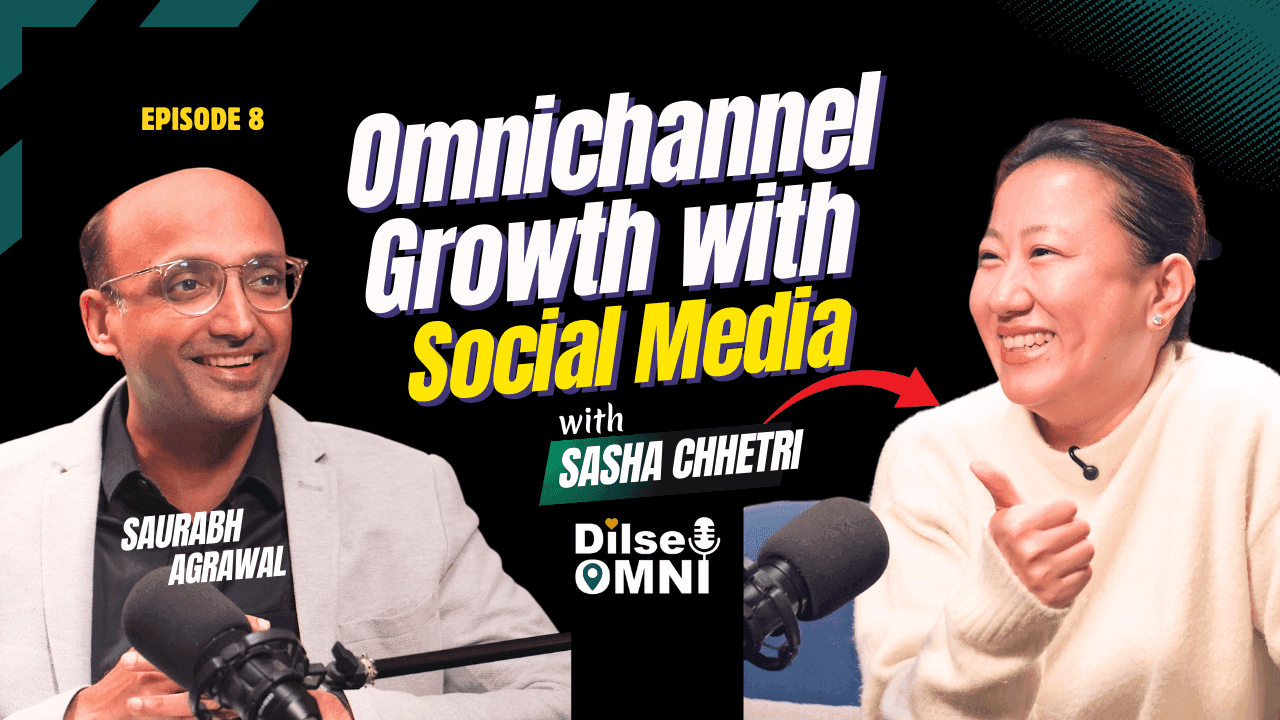
Omnichannel Growth with Social Media | Sasha Chhetri X Saurabh Agrawal | Dilse Omni Talks: EP8
Saurabh sits down with Sasha, to unpack how social media actually drives real business outcomes when you stop chasing vanity metrics and start designing for omnichannel growth.
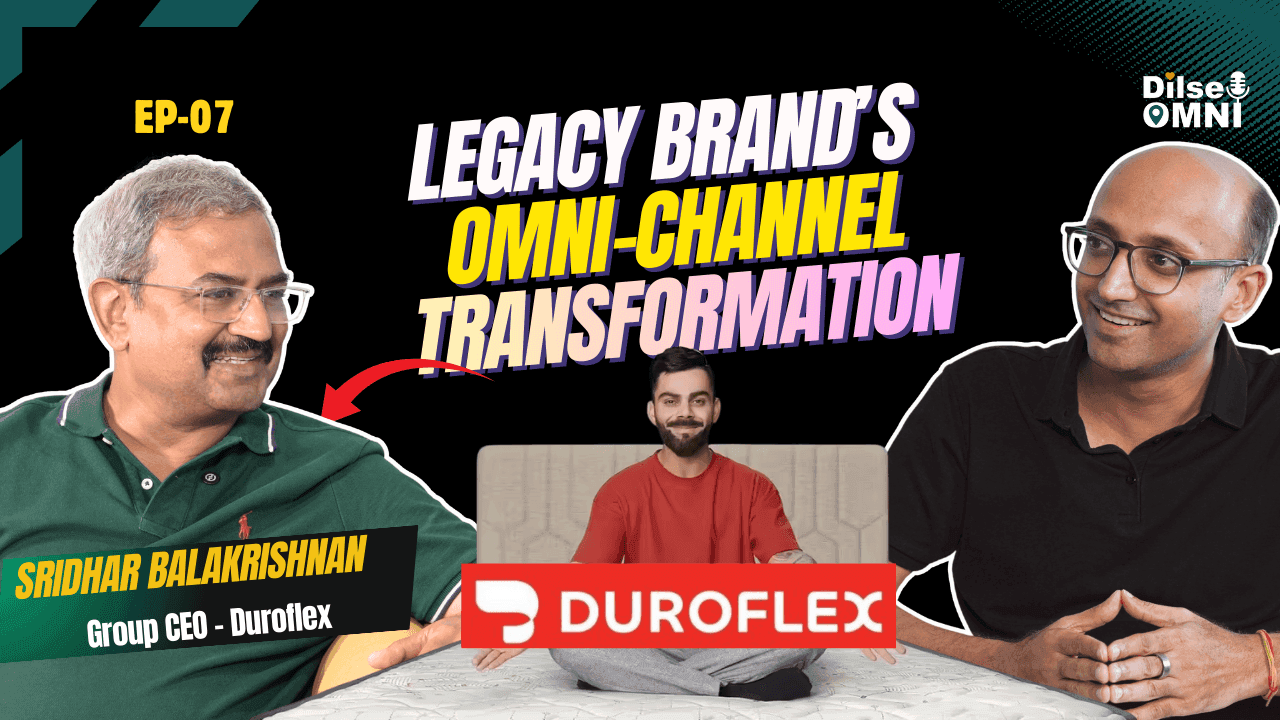
Legacy Brand's Omnichannel Transformation | Sridhar Balakrishnan X Saurabh Agrawal | DilSe Omni Talks: EP7
Saurabh sits down with Sridhar, Group CEO - Duroflex, to understand how a legacy brands can build omnichannel with patience and purpose.
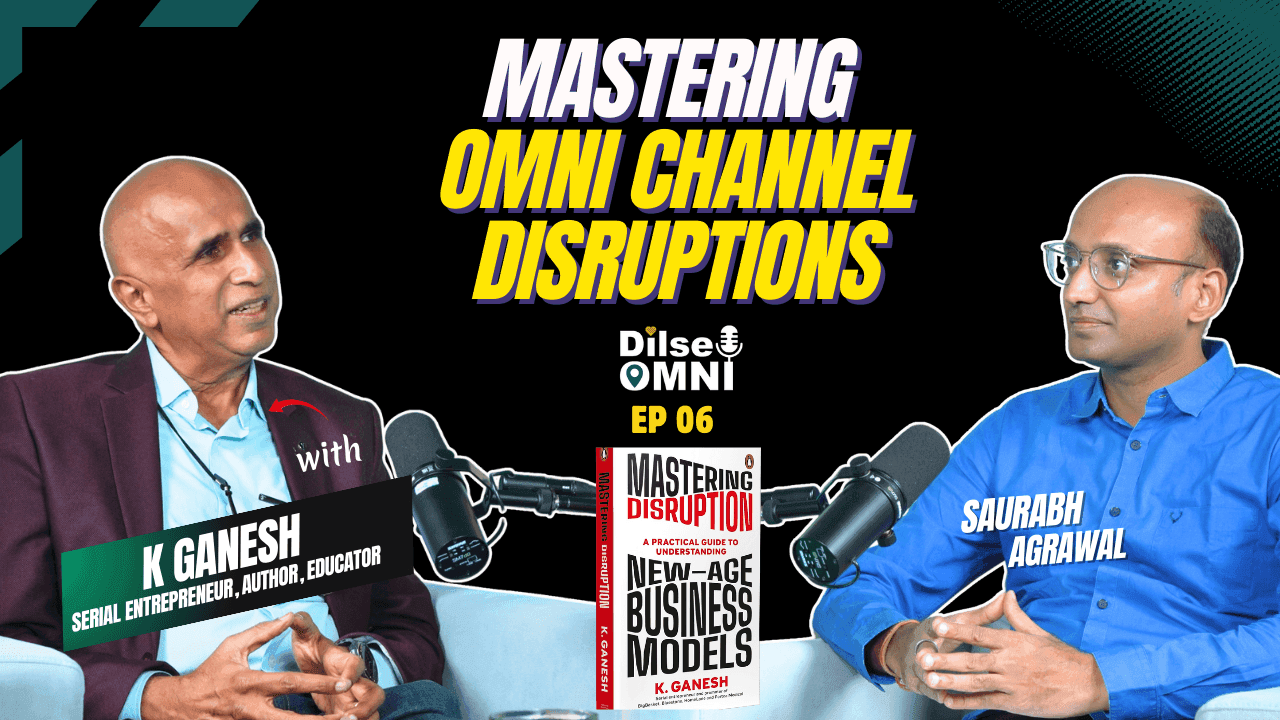
Mastering Omnichannel Disruptions | K Ganesh X Saurabh Agrawal | DilSe Omni Talks: EP6
Saurabh sits down with K Ganesh, a serial entrepreneur, author, and one of India’s most respected startup builders, to unpack what really drives sustainable growth in modern businesses.
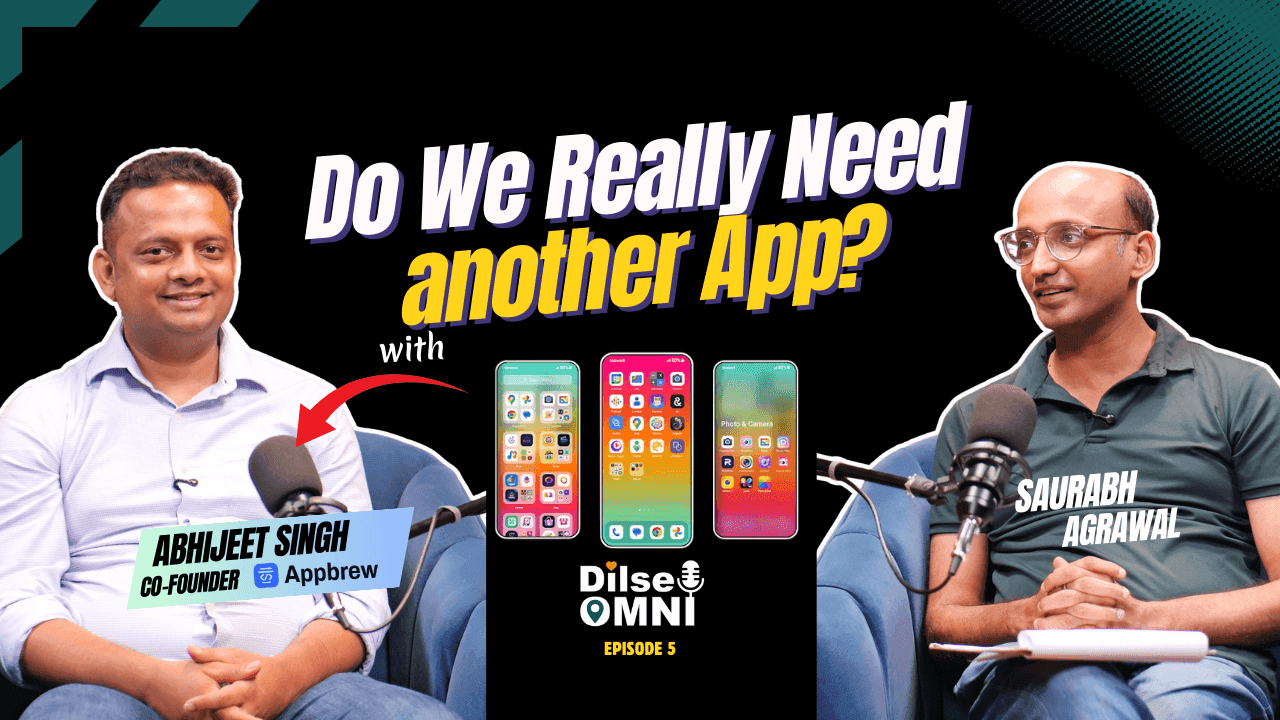
App Strategy for Omnichannel Brands | Abhijeet Singh X Saurabh Agrawal | DilSe Omni Talks: EP5
Saurabh and Abhijeet unpack when brands should actually invest in a mobile app, and why it’s not the right move for every category on day one.
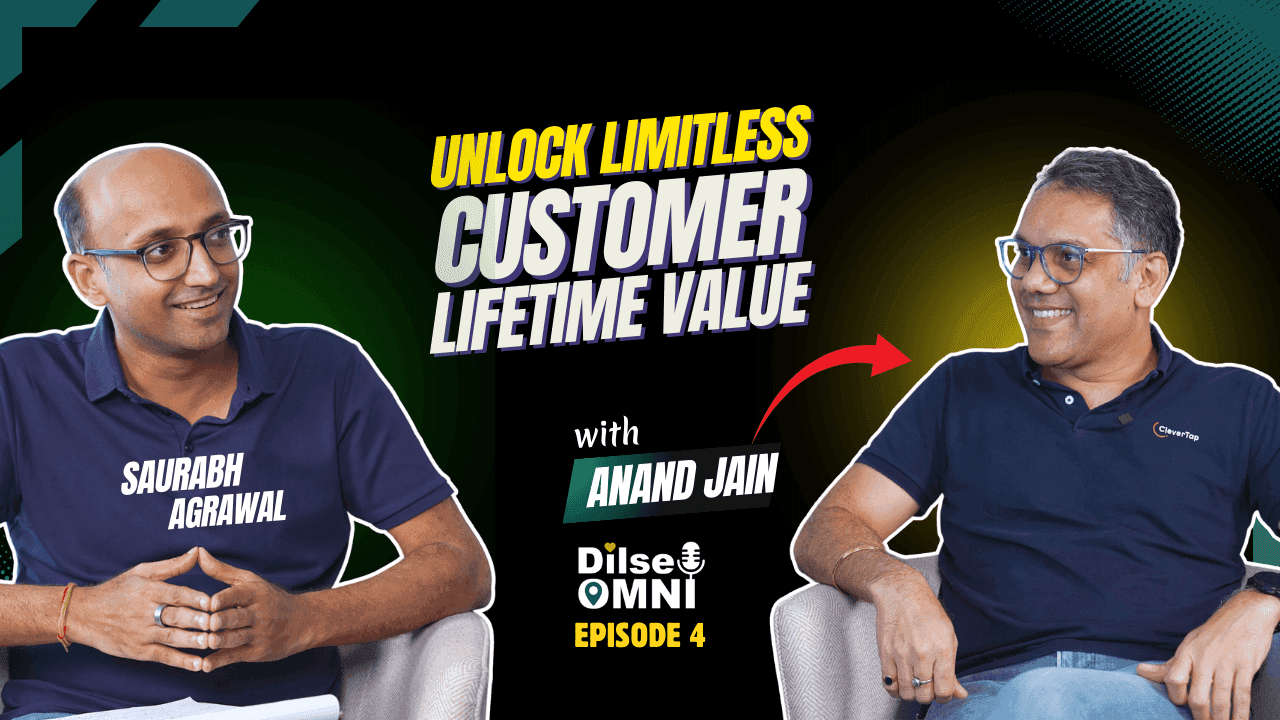
Unlock Limitless Customer Lifetime Value | Anand Jain X Saurabh Agrawal | DilSe Omni Talks: EP4
Saurabh and Anand talk about resilience, first-principles thinking, and how AI-driven personalization is reshaping retention.
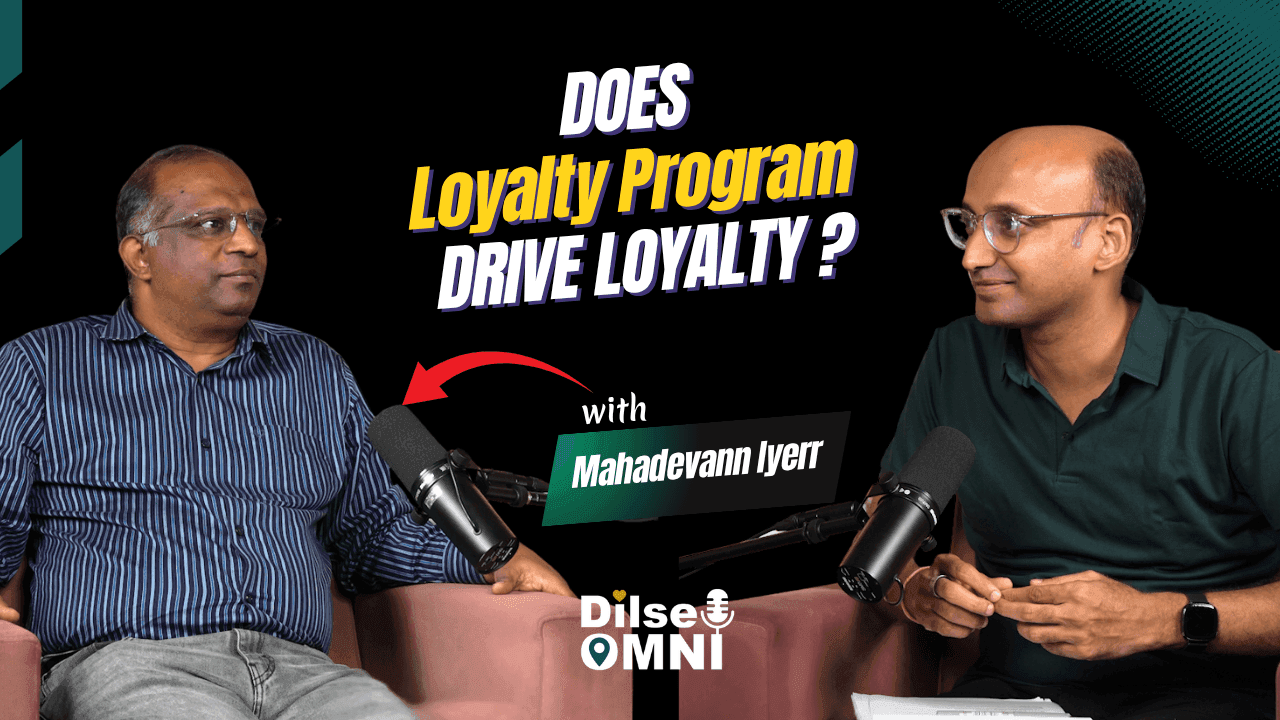
Does Loyalty Program really drives Loyalty | Mahadevann Iyerr x Saurabh Agrawal | DilSe Omni Talks: EP3
Saurabh and Maha talk about how loyalty programs don't create loyalty. Experience creates loyalty. Programs amplify it.
Decoding Omnichannel Marketing | Ganesh Balakrishnan x Saurabh Agrawal | DilSe Omni Talks: EP2
Saurabh and Ganesh decode modern marketing – blending data, retention, and omnichannel strategy to build human, memorable brand experiences.
Top 5 SEO Strategies for Omni Success with AI | Amit Tiwari x Saurabh Agrawal | DilSe Omni Talks: EP1
Discover how AI, data, and Omnichannel thinking are redefining SEO as the heartbeat of modern brands—online, offline, and everywhere in between.
Latest Episodes
How are Drones Disrupting the Logistics | Ankit Kumar X Saurabh Agrawal | Dilse Omni Talks: E12
In this episode, Ankit, who is leading Skye Air Mobility tells about the transform logistics with efficient, reliable, and sustainable drone delivery networks.
Retail Store Tech & AI Strategy | Suren Gounder X Saurabh Agrawal | Dilse Omni Talks: EP11
In this episode, Suren breaks down how offline stores are evolving from gut-feel operations into data-driven businesses — and why the brands that embrace store tech today will be impossible to catch tomorrow.
Decoding Conversational Commerce
Sonakshi Nathani — YC and Sequoia-backed founder who scaled Manifest AI to $4.5M ARR in two years without marketing spend — joins Saurabh to decode how AI chatbots are reshaping modern commerce.
Decoding Martech Playbook | Dr. Ashish Bajaj X Saurabh Agrawal | Dilse Omni Talks: EP9
This episode breaks down why Martech is no longer optional but essential for brands that want to move from fragmented campaigns to connected, data-driven growth.
Omnichannel Growth with Social Media | Sasha Chhetri X Saurabh Agrawal | Dilse Omni Talks: EP8
Saurabh sits down with Sasha, to unpack how social media actually drives real business outcomes when you stop chasing vanity metrics and start designing for omnichannel growth.
Legacy Brand's Omnichannel Transformation | Sridhar Balakrishnan X Saurabh Agrawal | DilSe Omni Talks: EP7
Saurabh sits down with Sridhar, Group CEO - Duroflex, to understand how a legacy brands can build omnichannel with patience and purpose.
Mastering Omnichannel Disruptions | K Ganesh X Saurabh Agrawal | DilSe Omni Talks: EP6
Saurabh sits down with K Ganesh, a serial entrepreneur, author, and one of India’s most respected startup builders, to unpack what really drives sustainable growth in modern businesses.
App Strategy for Omnichannel Brands | Abhijeet Singh X Saurabh Agrawal | DilSe Omni Talks: EP5
Saurabh and Abhijeet unpack when brands should actually invest in a mobile app, and why it’s not the right move for every category on day one.
Unlock Limitless Customer Lifetime Value | Anand Jain X Saurabh Agrawal | DilSe Omni Talks: EP4
Saurabh and Anand talk about resilience, first-principles thinking, and how AI-driven personalization is reshaping retention.
Does Loyalty Program really drives Loyalty | Mahadevann Iyerr x Saurabh Agrawal | DilSe Omni Talks: EP3
Saurabh and Maha talk about how loyalty programs don't create loyalty. Experience creates loyalty. Programs amplify it.
Decoding Omnichannel Marketing | Ganesh Balakrishnan x Saurabh Agrawal | DilSe Omni Talks: EP2
Saurabh and Ganesh decode modern marketing – blending data, retention, and omnichannel strategy to build human, memorable brand experiences.
Top 5 SEO Strategies for Omni Success with AI | Amit Tiwari x Saurabh Agrawal | DilSe Omni Talks: EP1
Discover how AI, data, and Omnichannel thinking are redefining SEO as the heartbeat of modern brands—online, offline, and everywhere in between.
Latest Episodes
How are Drones Disrupting the Logistics | Ankit Kumar X Saurabh Agrawal | Dilse Omni Talks: E12
In this episode, Ankit, who is leading Skye Air Mobility tells about the transform logistics with efficient, reliable, and sustainable drone delivery networks.
Retail Store Tech & AI Strategy | Suren Gounder X Saurabh Agrawal | Dilse Omni Talks: EP11
In this episode, Suren breaks down how offline stores are evolving from gut-feel operations into data-driven businesses — and why the brands that embrace store tech today will be impossible to catch tomorrow.
Decoding Conversational Commerce
Sonakshi Nathani — YC and Sequoia-backed founder who scaled Manifest AI to $4.5M ARR in two years without marketing spend — joins Saurabh to decode how AI chatbots are reshaping modern commerce.
Decoding Martech Playbook | Dr. Ashish Bajaj X Saurabh Agrawal | Dilse Omni Talks: EP9
This episode breaks down why Martech is no longer optional but essential for brands that want to move from fragmented campaigns to connected, data-driven growth.
Omnichannel Growth with Social Media | Sasha Chhetri X Saurabh Agrawal | Dilse Omni Talks: EP8
Saurabh sits down with Sasha, to unpack how social media actually drives real business outcomes when you stop chasing vanity metrics and start designing for omnichannel growth.
Legacy Brand's Omnichannel Transformation | Sridhar Balakrishnan X Saurabh Agrawal | DilSe Omni Talks: EP7
Saurabh sits down with Sridhar, Group CEO - Duroflex, to understand how a legacy brands can build omnichannel with patience and purpose.
Mastering Omnichannel Disruptions | K Ganesh X Saurabh Agrawal | DilSe Omni Talks: EP6
Saurabh sits down with K Ganesh, a serial entrepreneur, author, and one of India’s most respected startup builders, to unpack what really drives sustainable growth in modern businesses.
App Strategy for Omnichannel Brands | Abhijeet Singh X Saurabh Agrawal | DilSe Omni Talks: EP5
Saurabh and Abhijeet unpack when brands should actually invest in a mobile app, and why it’s not the right move for every category on day one.
Unlock Limitless Customer Lifetime Value | Anand Jain X Saurabh Agrawal | DilSe Omni Talks: EP4
Saurabh and Anand talk about resilience, first-principles thinking, and how AI-driven personalization is reshaping retention.
Does Loyalty Program really drives Loyalty | Mahadevann Iyerr x Saurabh Agrawal | DilSe Omni Talks: EP3
Saurabh and Maha talk about how loyalty programs don't create loyalty. Experience creates loyalty. Programs amplify it.
Decoding Omnichannel Marketing | Ganesh Balakrishnan x Saurabh Agrawal | DilSe Omni Talks: EP2
Saurabh and Ganesh decode modern marketing – blending data, retention, and omnichannel strategy to build human, memorable brand experiences.
Top 5 SEO Strategies for Omni Success with AI | Amit Tiwari x Saurabh Agrawal | DilSe Omni Talks: EP1
Discover how AI, data, and Omnichannel thinking are redefining SEO as the heartbeat of modern brands—online, offline, and everywhere in between.
Subscribe on your favourite platform



Subscribe on your favourite platform



Subscribe on your favourite platform

Subscribe for
insider insights
Get monthly newsletter right in your inbox
Subscribe
for insider insights
Get monthly newsletter right in your inbox